
How to get off the rollercoaster and spend time in your body
If your the type of person who is constantly on a guilt trip if you’re unproductive or slowing down the rhythm of life, then maybe you’re facing this problem too: you are not really feeling your body at its own pace or not feeling at „home” in your own body.
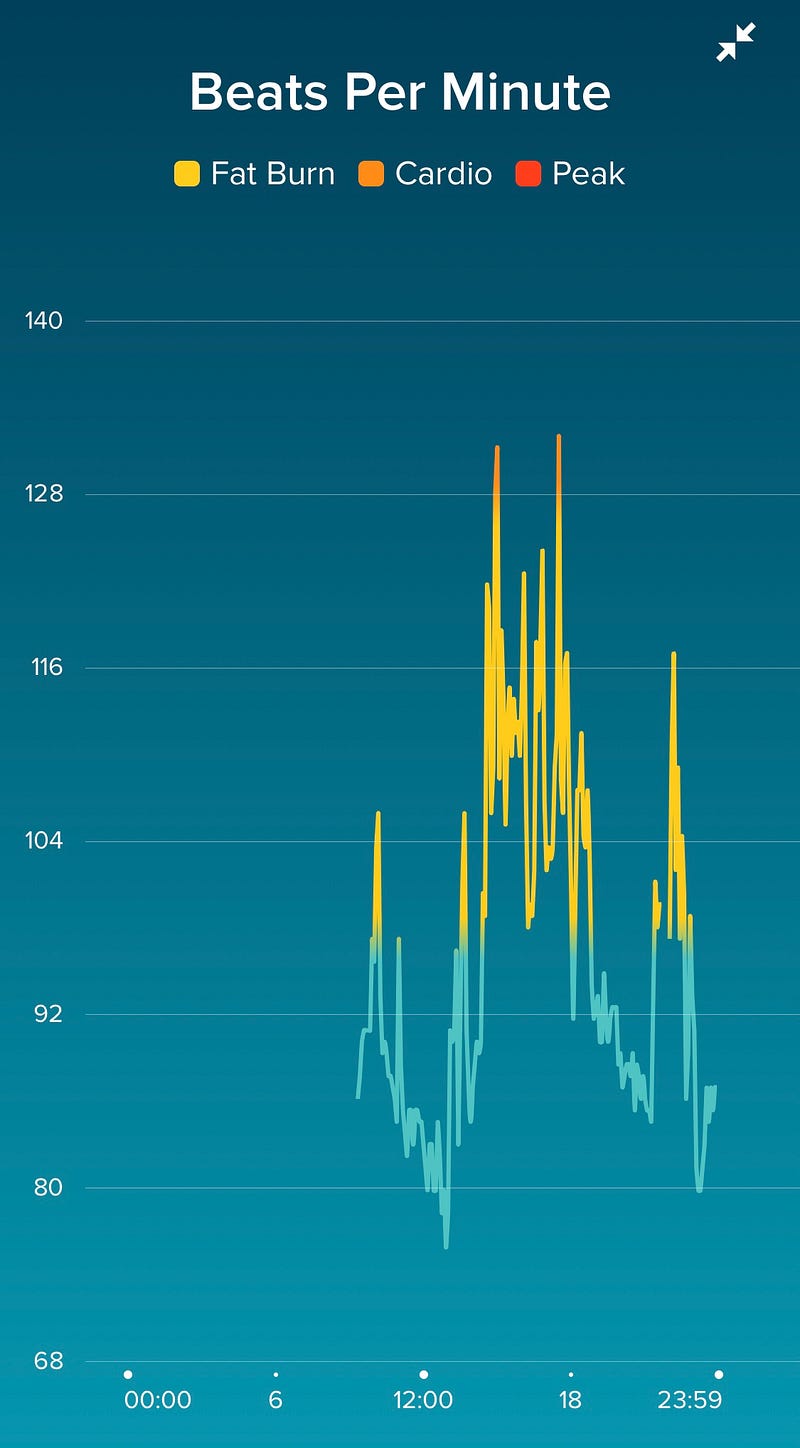
This was the result of my heart monitor during my first day with a Fitbit. Since I am a bit fan of accountability and awareness, topics I talk about in my first book, I started taking the steps into bringing more awareness into my life with the help of technology and this fitness tracker. Both me and my partner are people with a special heart, but we are opposites sides of the spectrum. He is at the low, while I am at the high end. While my heart rate might not indicate my emotions, it is a pretty clear indicator of the alert rhythm of my life.
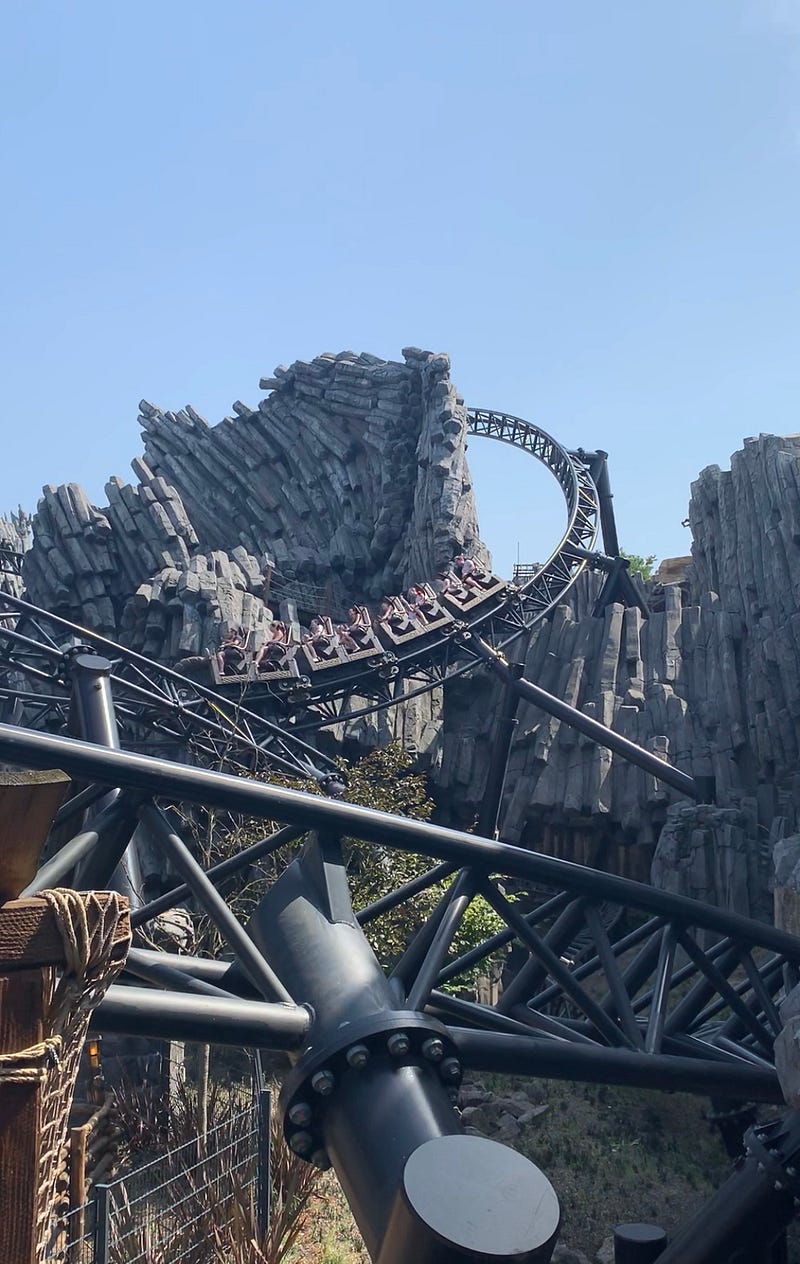
The first day with the Fitbit was coincidentally also the first day of our holiday when we went to a theme park in Germany where we went on the rollercoasters so the heart rate is actually measured during rollercoaster rides. However, leaving the aspect of how well this park was designed as an experience because I am a service and experience designer myself, the intense heart rate I have in my „resting” time is also significantly higher than the normal and that because of my hyperactive nature.
How to get in touch with your emotions and slow down the rollercoaster
If you got to this part, then you’re probably wondering why I am still stalling the story and still keeping you from the essence of the article and the words of wisdom. Hey, not my fault you are so impatient and you want to grab the essence and leave!
Yes, we are all in a hurry sometimes. We look for the short summary, the reading on a diagonal is a daily mantra and cutting the cue is our „only option”. We use excuses to justify our lack of presence in our bodies and we are not afraid of becoming violently defensive when someone attempts to say we should slow down in life and enjoy the little things.
How much time of your day do you estimate you’re on autopilot?
Our lack of awareness about the events in our bodies carries such an important weight that 39% of Americans are obese.
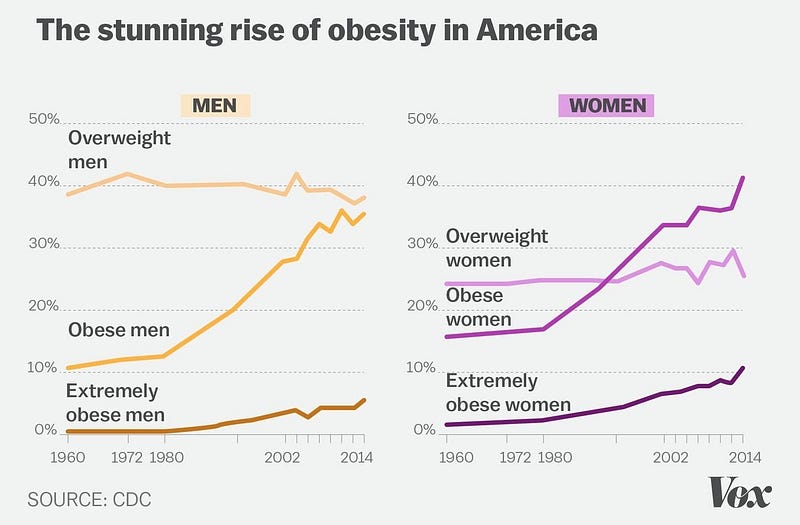
The striking result shown in the graphics above is not just a consequence of the rising of fast foods and the lack of nutritious food. In my view, this is also due to a large scale psychological result of „the American dream” effect wearing off. Once the generations who came to the „land of promises” have engrained more into this new land and their offsprings were born in this new reality with no background of the initial trauma, the bodies of the children start manifesting the effects of somatized trauma from their parents or grandparents
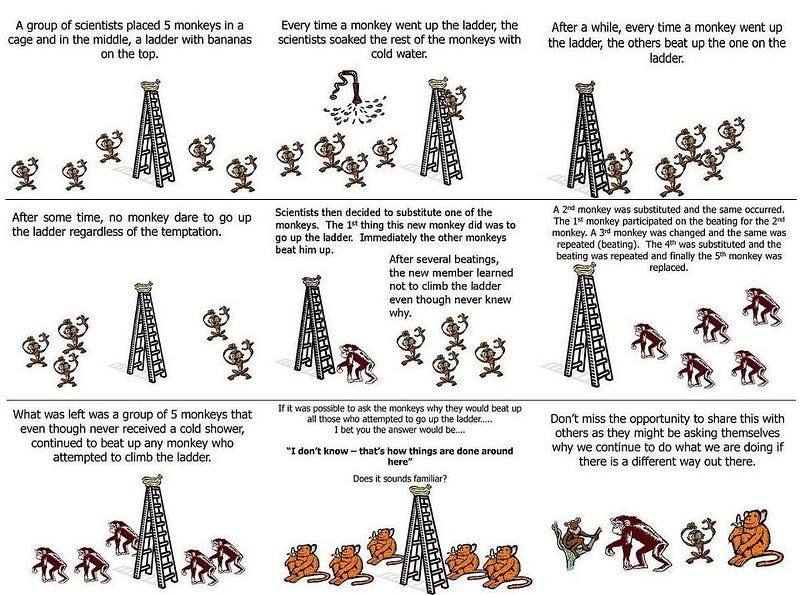
The famous experiment of the monkeys and the shower shows clearly how these symptoms are linked.
Bringing awareness into our daily life actions and activities helps us stay connected and present with realities and human conditions which are sometimes limitative. Instead of always trying to push our limits because our mind „knows” there’s something else to achieve and a new milestone, we should look at why our body is not able to provide that result and work with our mind to push back the desire and train the mind instead of exhaust the body.
Being able to estimate how you feel in labeled emotions is a scare skill
The challenge of our human nature evolution today is to step beyond the idea that the mind and the body are disconnected and to understand what are the touching points of these two. The German psychologist Franz Ruppert lays down this concept in his book on the body and the link to emotional trauma affecting and creating the illnesses of the physical body.
The first thing we can do about understanding the rollercoaster is to look at its patterns:
- When do I have the highs?
- When do I have the lows?
- What causes the highs?
- What causes the lows?
- How did I do to be in the middle?
- How did I obtain a lower vibration frequency?
Coming back to the story of my rollercoaster ride, I felt uniquely touched by one particular aspect: I was not able to control my heart rate even when I was looking at it consciously and telling my mind that the fear of the ride is not justified and I should be calm and enjoy the ride. I have some pretty funny faces on rollercoaster due to this aspect.
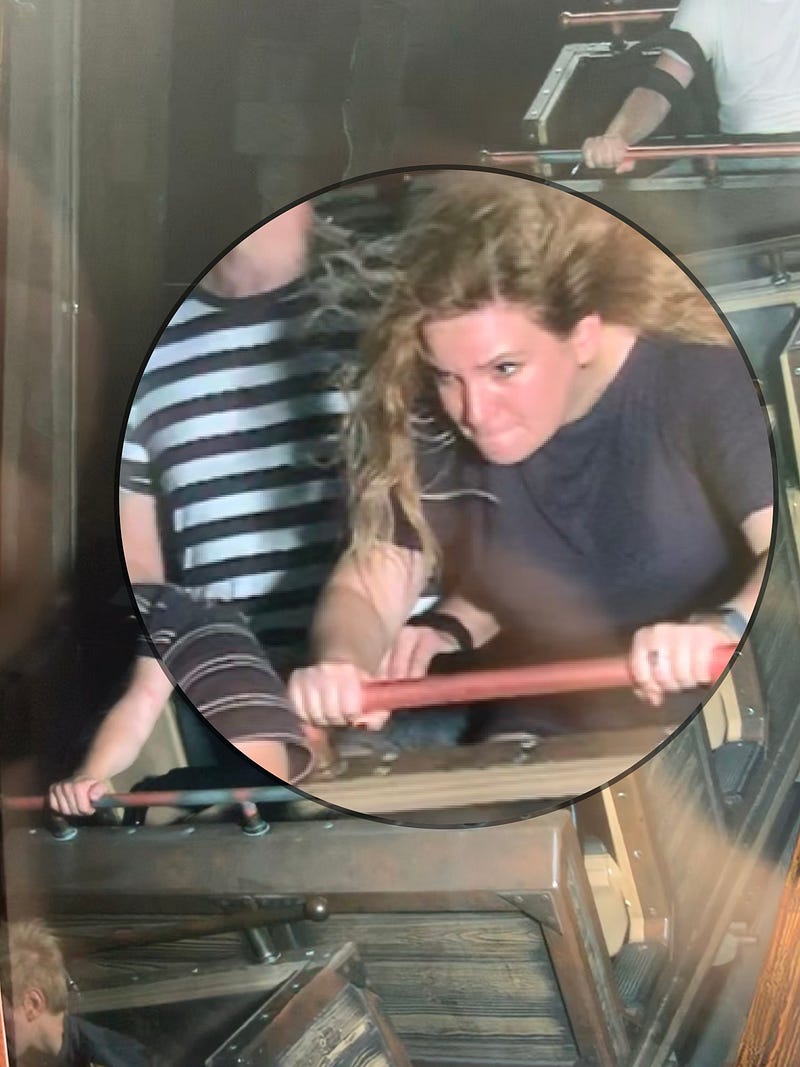
The emotions and the heart rate are perfectly correlated and linked: I was afraid I was going to die! My heart went pounding faster, my breath was stopping and my mouth was dry. I was not able to breathe properly after one of the coasters and had to sit down for a bit to regulate my heart rate before we went further.
But the interesting part about our bodily sensations is that both fear and joy look the same on the heart monitor.
We are the ones assigning meaning to events of our lives
We do not need to look further than this to understand that you can only train your body in the limits of these heartbeats and in order to achieve more, you have to train your mind to patiently build what you think you want with what you have as resources. The famous quote „Rome wasn’t built in a day” shows the impatience of the mind in the world we live in now and how we aim to create innovation as a way to compensate for our lack of embodiment.
There’s an interesting relationship between our bodies and our minds. In literature, a number of authors have written about the relationship we have with nature and our places of birth. Our „roots” are the anchor to where our body begins and where it goes back. It was born from dust and goes back to dust. Our existence on earth is a granted gift for a period of time that we should not take for granted. But talking about the mundane doesn’t seem to be that exciting for anybody and we simply want to escape this reality and jump into a parallel one where our actions hold more meaning than the simple bodily sensations we are actually dealing with.
Jane Austen famously known for her novels that make the transition from romance novels to realism in literature makes a great example of how people in the 19th century started considering the mundane and ordinary a great source of entertainment.
Jane Austen’s social realism includes her understanding that women’s lives in the early 19th century are limited in opportunity, even among the gentry and upper middle classes. She understands that marriage is women’s best route to financial security and social respect. Many of the crucial events of her stories take place indoors, in the female space of the drawing room. Often her plots move forward by means of overheard conversations. She writes some of the most natural and real-seeming conversations in literature.
Nowadays we have the Kardashians and reality shows to play the same cheap role of entertainment with simple things. However, even when faced with such forms of realities, we refuse to give ourselves the time to really jump off from the rollercoaster and embrace our human condition whatever the limitations. In a nutshell, spending time understanding the vocabulary of our body and assigning feelings and emotions to them will enable us to make the conscious decision of hopping off the rollercoaster as long as we are able to be aware of our heightened activity in processing emotions that overwhelm us.
I write about psychological effects of unconscious human behavior and I bring the hard conversations into my daily routines trying to empower those around me to have more awareness and get more insights into their unconscious biases.