
SELF-IMPROVEMENT
How To Fix Those Replaying Thoughts
They keep on repeating over and over, with no end

Have you ever had a particular scene or event that keeps replaying in your mind? That usually bad event or has some type of negativity to it and have no idea how to stop it?
It’s a common thing and It’s called Rumination. It’s considered an unhealthy psychological habit in the field of psychology and one of the most common that almost everyone does.
Rumination is to chew over, as in to constantly think about a particular event constantly in your mind.
This is because the event or thought is negative and so we constantly wish we could change or do something different about it. This can sometimes go on for days and maybe even weeks on end because you can’t get it out of your mind.

The Danger of Rumination
Rumination can become a habit that we can gain undoubtedly and one that is far more dangerous than meets the eye.
As you are placing yourself at risk through Rumination. As when you Ruminate, you are putting your health at risk for depression, alcoholism, and eating disorders.
But not only that but some health consequences could be developed such as anxiety, insomnia, high blood pressure, and other health dangers.
Why do we constantly do it?
We do it after events such as engaging in an intense argument that you feel you could have said something different.
Getting chewed out or scold by your parents or teacher, getting into a fight with your friend, and any negative event in general.
And we tend to feel the urge to constantly think about these negative events, wanting to replay them over and over again. What’s even more dangerous is that sometimes we can mix rumination up for trying to fix a problem or figuring out the problem.
This makes it so many people become blind to the fact that they are doing a dangerous thing, that can damage their health.
Not only that but it is also a waste of time since Rumination doesn’t lead to a specific course of action even with that constant rethinking.
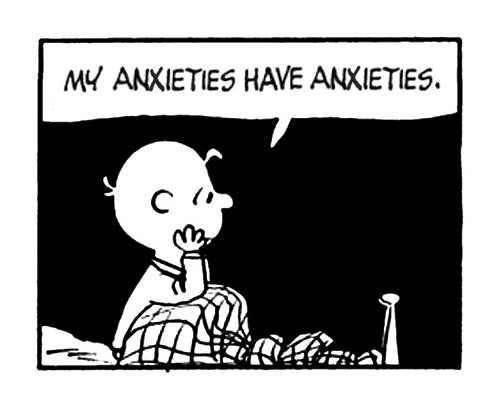
How do you get out of it?
First, you need to acknowledge, that an event keeps replaying in our minds instead of trying to play it off. We acknowledge it is so we can understand if we are ruminating or trying to problems solve or just mindless thinking.
Is the event that keeps replaying in your something negative? Does it keep replaying without you being able to figure out a solution or not productive?
Does it make you feel like a mess and keep thinking negatively? Do you feel increasingly worse than before you started? Then you are most likely ruminating.
Once you identify that you are Ruminating, you should then try to pick the events apart, trying to find the main one. As we tend to sometimes associate additional problems or worry about the event, we are thinking over before.
Thus making it more complicated than it really should be or sometimes making it hard to understand how this started.
So when you believe you fix the problem and try to move on with your life, it will randomly come up again. Throwing you for a loop and discouraging your mood by a considerable margin when you thought you fixed it.
Once you figure it out, all you need to do now is force yourself to do something else. Each time you have that worrying, negative, or upsetting thought comes in your mind.
A distraction is key to really breaking this, it doesn’t have to be anything specific, just something that can keep your attention.
Whether this is exercising, talking with someone, jogging, reading a book, doing work, etc. All your doing is trying to distract yourself from these repetitive thoughts.
Keep doing this every time you have that worrying, upsetting, and negative thought, force yourself to concentrate on something else.
It’s similar to my Aneixty in Freedom piece, as your mind won’t have time to think but be in the moment.
As long as you do this, then the negative thought will begin to fade away with your outlook on life becoming more positive.