
How to Find Value in What You Have
Change your mindset in a throwaway culture.
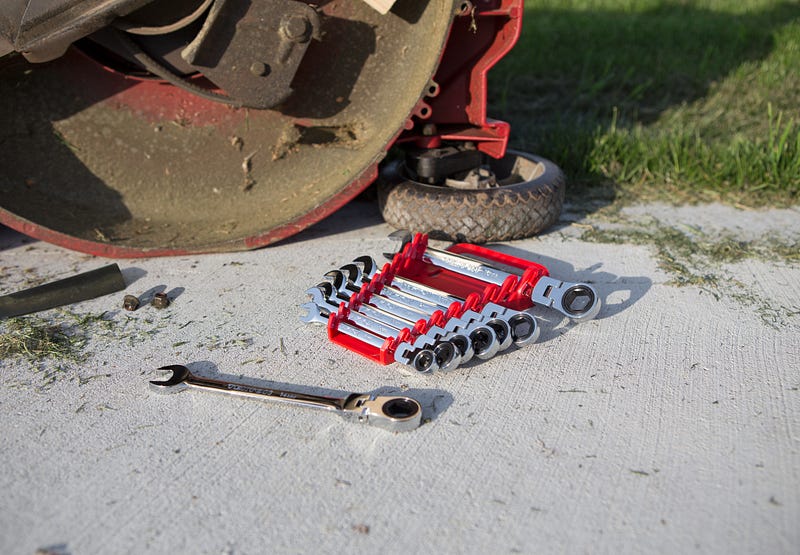
Everything we do starts with a why. We need to have a purpose behind all our actions. This is no different for troubleshooting. Why do we care enough to fix our broken items? Why do I need to fix it, when it only costs X amount of dollars? Why spend my time repairing items instead of enjoying my favorite show? The act of looking at items as repairable can have a profound impact that ripples throughout society.
The three main ways that fixing items can impact your world are:
- Financial
- Mental
- Environmental
Let’s break down these three impacts now.
Financial

We live in a world where to buy the newest phone, even though our current phone is only a year old, is perfectly normal. We think of anything made the year prior as obsolete, something that holds no value. This is an incredibly dangerous mentality to have.
When we focus on the financial aspect of this, it’s easy to see how it could quickly lead to us draining our bank account. We live in a society that essentially worships consumerism. We love the catchy jingles and bright colors that flash across our TV screens. Advertisements make us crave the newest, the shiniest thing. This leads us to apply no intrinsic value to items.
The clock starts as soon as the item slides over the bar code scanner at the store, or that purchase goes through online. As soon as we have the item in our possession, it rapidly loses its appeal. The thrill of the hunt is over.
We need to see the value of an item again. I believe when we fix items, we connect with them a little deeper.
When repairing an item, it changes from the vacuum cleaner into a collection of intricate pieces. It becomes a symphony of interwoven parts. You see the engineering and time that went into the product.
I know what you’re thinking, “Great metaphor, I’m all teary eyed looking at my vacuum now.” I know that was a little much, but you need to view your items differently. “Ok, but my vacuum only costs $100, my time is more valuable than the $100 it would cost to just replace it.” I would like to challenge that mindset.
When we purchase something, we are trading our time at work for that item. Most people are not in love with their jobs, so you are essentially trading your time doing something you hate for that vacuum. When you don’t value the item, you don’t value your own time. When you throw the item away and purchase a new one, you are spending that much more time at work for it.
You may be thinking, “I’m going to be at work anyway, this allows me to spend my time at home doing what I want.” Not necessarily. As I said, you are trading that time at work for the item. Those hours at work could be used on another item, a trip with the family, food, shelter…. you get the picture.
In most instances, you can fix an item faster at home, than you would have to spend at work to buy a new one. If you make $20 an hour, you are trading 5+ hours at work for that item. If you throw the item away instead of trying to repair it, you are now spending 10+ hours at work to have a vacuum in your home. You can work on the item with your family, you will be learning skills that can be passed on to your kids. I know I would rather spend time with my family working on something, over hours making a company more money.
While we are on the subject of changing mindsets, lets look at the mental benefits of fixing items.
Mental

When you take something that is damaged and make it whole again, you get an unbelievable sense of accomplishment. You did that. You are the hero in the story. Troubleshooting is mentally stimulating. It’s a well-known fact, that people who have regular mental stimulation are happier. If you spend your days doing mind-numbing activities, it effects your self-worth. Repairing items is an exponentially better use of time than watching TV or playing on your phone, due to the simple fact of mental stimulation.
I know that those activities have their place. I’m not calling people who watch TV or play games bad people. I dabble in these pursuits myself from time to time. I am pointing out better options.
When you can be the person that takes something broken and makes it whole again, others will see your value. One of my motivations for writing this was the level of admiration people had for me when I would fix simple problems. It blew my mind to see peoples shock at my ability to fix items around the house. I would explain to them truly how simple it was, but the fact that they wouldn’t take the time to think about it made me a genius. That’s not normal. Everyone should have basic troubleshooting skills.
If you told your grandparents that you throw items away when they stop working, they would be astounded. They would probably list ten steps that you could have tried to fix the item first. This throw away culture that we have is a new invention. Modern manufacturing and advertising has created a world of consumers. We need to change that.
This throwaway culture we have built, has created incredible environmental impacts.
Environmental
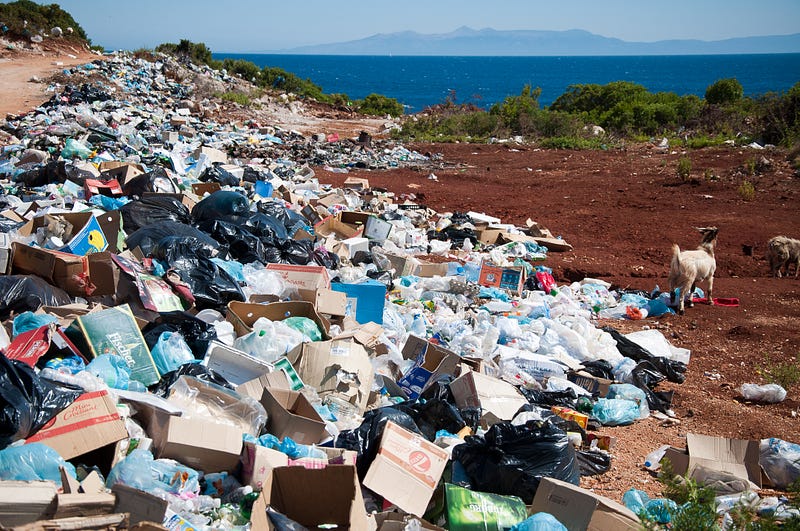
Annual wildfires in California, the terrible fires that ravaged Australia, and millions of tons of waste are staring us in the face every day. We know we are damaging the planet. We know that excessive waste is a bad thing. I’m not telling you anything you don’t already know. I am telling you there is something you can do to help.
Every year more than 50 million tons of electronics waste is created around the world. That is anything with wires in it. One of the most troubling facts about this amount of waste, is the way it is taken care of.
Ships overflowing with the toxic materials are carried to poor countries and dumped. These poor countries have their streets overflowing with waste. Everyone from children to the elderly trudge through piles of waste to separate the items in hopes that someone will buy the recyclable materials at a fraction of what they are worth.
Electronics are loaded with heavy metals. These heavy metals leech into the local environments wreaking havoc on not only nature, but human health as well. Heavy metal exposure is linked to damage of the Central nervous system, reproductive and endocrine system, immune system, and basically all other systems of the body.
This strain on poor countries is being perpetuated by our throw away culture. Changing your mindset, and seeing the value of items can dramatically change this system. If we hold on to our items longer, less items need to be manufactured and less pollution is produced. It is that simple.
Is repairing your vacuum going to change the world tomorrow? No, but it is a step in the right direction. That is a step that we all need to take.
Summary
As you can see, you hold the power to assign value to your possessions. You have the ability to tell companies you don’t need a new phone every 6 months. Let’s start learning some of the actionable steps to take to gain control of your items, instead of letting your items control you.
Are you ready to become a hero in this story? Let’s go!


