
How to Find Out if Your Body is Dehydrated?
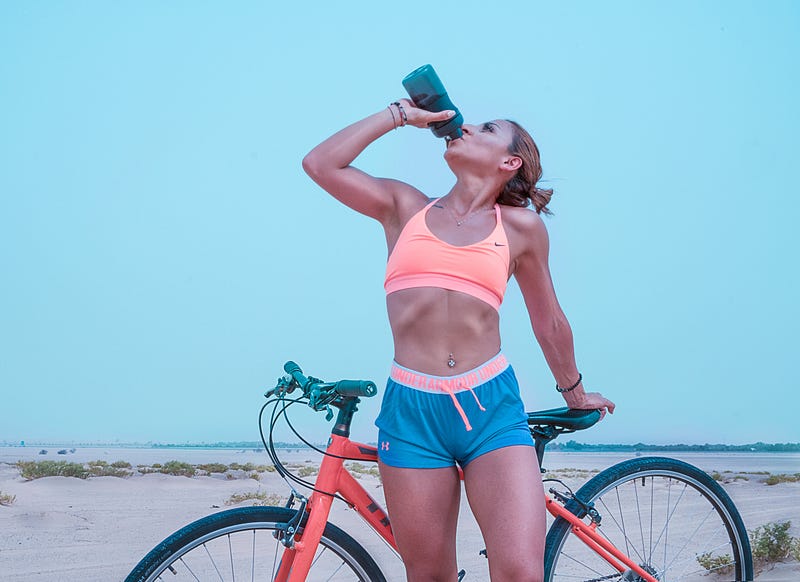
You almost certainly suffer from chronic dehydration. After all, nearly 75% of Americans do. This equates to around 246 million individuals.
While dehydration is prevalent, not everyone exhibits the same symptoms. Its indications and symptoms vary according to the individual and the severity of the ailment. Early detection is critical for effective dehydration treatment and the avoidance of a more acute illness that might become life-threatening.
Dehydration: What Is It?
When the fluid loss in a person exceeds the fluid he takes in, he is said to be dehydrated. Water is necessary for human survival since it makes up two-thirds of the human body.
Indeed, water is necessary for basic physiological activities such as digestion, joint lubrication, and toxin elimination to maintain healthy skin. A fluid deficiency caused by water loss might leave you thirsty or tired, as well as with a minor headache, dry mouth and foul breath.
Symptoms of Dehydration
As fluid loss progresses from mild to moderate-to-severe dehydration, it may cause symptoms of mental and physical impairment.
Inability to urinate or very dark urine
Checking your urine color is a simple technique to determine whether you’re dehydrated. Urine should have a light yellow tint, similar to lemonade. If your urine color is darker than apple juice, this might be a symptom of moderate to severe dehydration.
Is it possible that you are not urinating at all? Most likely, you’re terribly dehydrated.
What to do?
If you notice your pee is a dark yellow color, immediately begin drinking more water. It is better to drink modest sips of water that your body can correctly absorb than to guzzle glass after glass.
If you feel dehydrated on a frequent basis, try carrying a big water bottle with you throughout the day.
Skin That Is Dry and Does Not Rebound When Pinched
The flexibility of a person’s skin is also indicative of dehydration. Consider the following: Pinch the skin on the back of your hand and see the result. If it returns slowly, this is a sign of mild to severe dehydration.
If the skin seems to adhere to itself (i.e., “tents”), this is an indication of extreme dehydration.
What to do?
While a glass of water is always an excellent option, if you’ve just completed a rigorous exercise, you may also try a sports drink or coconut water. If you are very dehydrated and your skin tents, you may need to see a healthcare specialist.
Fast Heartbeat and Breathing
When your body loses water without replenishing it, your blood becomes more concentrated. This increases your heart rate in order to maintain stable blood pressure. Moreover, it causes your kidneys to retain water.
What to do
Fluid intake is critical for the normal functioning of organs such as the heart, liver, kidneys, and lungs. Hence, it is critical that you get medical attention for dehydration if you encounter these symptoms.
You will likely be hooked up to receive intravenous fluid containing a concentrate rehydration solution. It has water containing salts and sugars for the rapid delivery of fluids to your body.
Take Away
If you exercise often, you may need more than water. Post-workout, have a sports drink or coconut water. Additionally, avoid consuming alcohol if you are already dehydrated since this can accelerate your fluid loss.