
How to Find a Therapist during COVID-19
Need help with coronavirus anxiety? This can be a great time to start therapy.
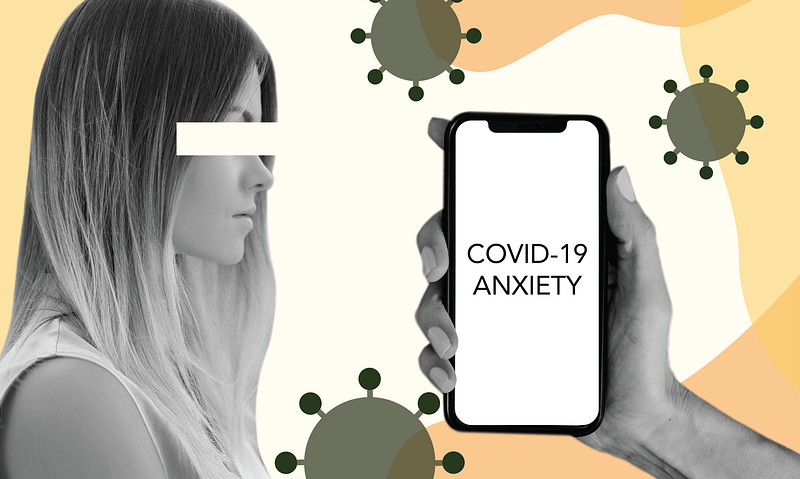
Your mental health is especially important to monitor during this period of confinement due to the Covid-19. Everyone’s stress levels are high, you may have loved ones who are sick, friends who are working in the medical field, or live away from your loved ones and are worried about them back home. Everyday, we hear about rising death tolls and receive bad news about a death in our workplace, schools, or communities. In addition, existing personal problems can become exacerbated during this time of heightened anxiety. Whatever your situation, therapy can help ease the stress, allowing you to remain calm and keep a clear head during this crisis.
If you have been considering therapy, now is a great time to get started. It is a good opportunity to establish a working relationship with a therapist that will last beyond the coronavirus quarantine period. This way, you can have added support for the duration of quarantine and work on the issues which you were already planning to bring to therapy. These pre-existing problems do not go away while the coronavirus is sweeping the world. In fact, they continue on or get worse while stress levels are high.
This article will help you get started on your therapeutic journey with tips on how to connect with a therapist while confined at home. It covers whether to choose an in person or online therapy format, how to select a therapist and the process of making an appointment, factors to consider such as therapist specialization, ethnicity, and gender, the first discussion with a therapist, and how to tell if you have found the right therapist.
How to start therapy in quarantine
During the pandemic, I recommend finding a therapist whom you can begin online sessions with during the quarantine and transition to in person sessions after the quarantine is lifted. This means finding a local therapist who has an office space set up to receive clients. Bring up this approach during your first consultation on the phone with potential therapists to see if this would be possible with them. Explain your intentions to continue therapy sessions beyond the COVID-19 quarantine period.
The initial setup may be more complicated than normal. You may need to email the therapist your insurance papers and pay them through bank transfer or PayPal. Some therapists have a sliding scale for those with financial challenges. It will take a little extra work but it is possible to set up a working relationship with a therapist in confinement.
How about online therapy platforms like Talkspace and BetterHelp? These services offer “any time” therapy through texting, video messaging, and monthly thirty minute online sessions for fixed fees. Although these platforms may be helpful in the short term, the services amount more to venting to a friend than substantive help. The lack of depth in these conversations are unlikely to lead to sustainable and permanent growth in personal beliefs and behaviors.
In addition, therapist Sam Pranger Silvaine says the connection is stronger when your therapist is in front of you and can read your expressions, body language, and any physical ticks you have (avoiding eye contact, twisting fingers together, crossing and uncrossing legs). These are clues to how you are feeling during the discussion which the therapist uses to drive the conversation and uncover unconscious reactions. This important component of therapy is mostly lost in online therapy.
Selecting a therapist
I recommend finding a therapist through a referral from a friend or doctor. If you do not know anyone who can refer you, there is likely an online database available through your health insurance provider or employee assistance program. Your employer may also have a mental health hotline number to call for a referral to a therapist who is in-network. I recommend exhausting all these options before turning your search to online databases. It is certainly possible to find a suitable therapist by Googling, but their quality and coverage by your health insurance is not guaranteed.
Try to pick at least three potential options so you can do some comparison shopping by looking up their areas of specialization, reviews, pricing and payment information, and office locations. I recommend you give all potential options calls on the phone to confirm prices, and to briefly discuss the types of problems you are facing. You will want to know if they have previous experience helping clients with these same issues and if they think they will be able to help you. If you comfortable based on the information you receive, the next step is to make an appointment.
Factors to consider
It is important to put some thought into the specialization, ethnicity, and gender of your therapist. Choose a therapist who specializes in the areas where you need help. For example, if you would like to discuss struggles with your family, it makes sense to choose a therapist who specializes in family counseling. Others may need therapists who specialize in trauma, marriage and couples therapy, and addiction.
On top of the discipline, it may be important to choose someone who has experience with counseling others of your ethnicity and gender because the therapist will understand the challenges you are currently facing. Sometimes it may not be possible to find a therapist of the ethnicity or gender you are looking for. In these cases, I recommend choosing therapists who have fifteen years of experience or more or are in their forties or fifties. If they are specialized in the area you are seeking treatment for, they will likely have encountered cases similar to yours in the past and have experienced advising their patients through those situations. You can ask directly if they have dealt with cases similar to yours.
Scheduling the appointment
The coronavirus pandemic has placed great burden on the schedules of therapists. Existing personal and family issues are exacerbated, and new issues may arise from loved ones falling sick or passing away unexpectedly. With so many people in need of counseling, it may be a few weeks until you are able to find space on their calendar for you. Be patient.
As a rule, I recommend scheduling therapy sessions after work because therapy can be mentally and emotionally draining. Personally, I am usually not in the mood to return to work after a therapy session. However, with most workplaces implementing work from home, an online therapy session can be done throughout the day conveniently. You may be able to schedule a session sooner if you are flexible with morning and afternoon sessions as calendars of therapists are usually full in the evenings with clients scheduling their sessions after work.
First discussion with the therapist
During the first session with a therapist, you will outline a few specifics such as your current situation including recent life events and any emotional difficulties you are experiencing. Perhaps you are stressed from spending copious amounts of time at home with your partner or family, or you are worried about finances and a global recession, or you have family members and friends who are currently sick with COVID-19. These are issues the therapist can help you talk through and come up with coping mechanisms for.
You should also bring up longer term issues which you are dealing with pre-pandemic whether it is divorce, being unhappy in a job or relationship, or trauma. Therapist Kathleen Smith, PhD, says most clients are still dealing with the same issues they were in therapy for pre-pandemic. Detail these issues with your therapist and set goals on what you’d like to achieve in therapy.
While explaining your situation, be sure to highlight the symptoms you are experiencing as well. For example, you may be experiencing high levels of anxiety or your thoughts are running in circles and you feel hopeless. You may have trouble sleeping and are constantly tired. Perhaps you are feeling grief and are turning to alcohol and drugs. These symptoms should be shared with your therapist so they understand the extent with which these problems are affecting your life.
Feeling comfortable in therapy
The therapist you choose should make you feel at ease, secure, and supported. It will certainly be more difficult to establish a relationship with a therapist over the phone than in person, but I encourage you to stick with it for at least two to three sessions before deciding if it is a good fit. You should feel that you can trust the therapist with hearing your about your issues and symptoms without judgement.
If you do decide it is not a good fit because you do not feel comfortable or are having trouble connecting, don’t be afraid to switch therapists. You can simply tell the therapist that you do not feel it is a good match and you have not been benefitting from the sessions. It may take a few tries to find the right therapist for you. Try multiple therapists and keep going until you find one that fits. I have had to try two therapists before I found the right one for myself.
Along this vein, I recommend choosing therapists who conduct their sessions in fifty minute or one hour increments. Some therapists do thirty minute sessions, which are too short to get deep enough on a topic to make real progress. Some people take time to feel comfortable enough to open up, and others need time to sit and process how to honestly answer the questions posed by their therapist. With one hour sessions, you have time to reflect on your emotions. Your therapist will be patient and give you time to process your answers. With thirty minutes, there will be much less room for this.
Keep it up
Therapist Cynthia Lubrow says many people are able to address their issues successfully in therapy in six months of therapy. In addition to regular check-ins by your therapist on how you are handling quarantine, you will be working on your long-standing issues. This is a challenging endeavor separate from the pandemic that will require effort and time. Visible results may come slowly. Be patient with yourself through the process.
Resilience through the coronavirus pandemic
There are no clear answers on when the coronavirus pandemic will end, and how life will look like on the other side of quarantine. It is clear that an immediate return to normal life will not happen even when quarantines are lifted and there will undoubtedly be changes to government policies and daily habits after the dust settles.
No matter how your life has been affected by the coronavirus, therapy can help you remain mentally resilient through the ordeal and be strong enough to support your loved ones as they navigate these difficult times. The investment you make on yourself now in therapy will enable you to make a speedier recovery when the quarantine period is lifted.


