
How To Feel Less Alone While Working From Home
For freelancers, WFH warriors, gig workers, and general introverts.

People today are working at home for a lot of reasons. They could be like me — someone who has been working freelance for over two decades. Or they could be among those sent to work from home for the past year or so. Some people work a day job that may or may not involve some interaction with other people, but they then spend the rest of their time on a side hustle or gig.
What many of us have in common is a sense, often, of isolation.
Sometimes that can be a boon. Sometimes it can be a bit maddening. Even the most devout introvert or misanthrope is still going to want the need to feel connected with other human beings.
We are social animals, after all, whether we like it or not. And too much isolation can end up disrupting how productive we are in the long run. It contributes to burnout. It’s pretty much the opposite of self-care.
With that in mind, I’m going to bring up some of the issues when it comes to working by oneself for too long and some ways to address it so it doesn’t affect your productivity or mental health.
The Problems With Working Alone
I never cared much for dealing with customers or co-workers, so when the opportunity to freelance full time came along, I jumped at it. And why wouldn’t I? It’s living the dream, right?
I won’t lie. There were a lot of benefits. I had more freedom. I wasn’t distracted by office politics. I wasn’t dealing with capricious management.
But there were downsides as well. I had to handle my own accounting. I had to build the discipline to stay on top of my work and not go off to play Final Fantasy for 12 hours. I was responsible for my own success or failure.
That became a source of stress all on its own.
I started running into issues with work-life balance. Because, as a newer freelancer, I was unsure if I’d always have work, so I’d often take on more than I could handle. I was interacting with friends and family less. I ended up on an erratic sleep schedule. I started eating more junk food at my desk at home. I wasn’t getting any exercise. I was dressing like a slob. It wasn’t a good look.
Uf.
Let me tell you this, friends — especially if any of the above is familiar to you…

These are all perfectly natural things to go through when getting used to the work-from-home lifestyle. I’ve talked with a lot of freelancers about this. Nearly all of them have gone through this or something similar.
So no worries. It’s a temporary situation if you recognize what’s happening and take some steps toward self-care.
The Self-Care Portion of This Article
There are two types of self-care. There’s the short-term kind in which we remember to gift ourselves some personal time. It might be to play some video games, take a nap, or treat ourselves to a movie.
Then there is the more long-term look at self-care, which is about eating right, having an exercise routine, managing finances, and so forth.
Addressing isolation while working from home (the topic of this article, after all) involves looking at both the short-term and long-term forms of self-care.
Here we go…
Short-Term Quick Care
As I’ve already mentioned, this could include taking a break from your work to play some video games or make sure you’re getting enough rest.
Some other things to consider:
- Join a Slack or Discord of fellow work-from-home or freelance folks. They’re great places to network, vent, and just engage in some quick chats. It doesn’t have to be professionally related, but maybe something associated with a fandom, sports team, or hobby.
- Start or join a Zoom lunch group. It’s always easier if someone else manages it, but even if it’s you, it’d still be worth it. Find some fellow freelancers or people working from home and arrange a daily time to have a Zoom (or other video conferencing service) lunch.
- Consider taking a night off to join a group that gets together in person. I know some who join beer-tasting clubs, bowling leagues, tabletop gaming groups, and so forth. I have a weekly D&D game I go to. It’s good to get away from it all, if even for just a couple of hours.
- Move out of your house for a day and work from the local library or coffee shop. For one thing, it’s a change of scenery which is always nice, but it’s also an opportunity to see other people in action. These aren’t office mates and all the baggage that comes with office politics. These are simply other people like you.

- If public space isn’t your bag, consider joining one of those shared workspace areas. They can be great places because they often have office equipment such as printers and copiers available and proper desks, meeting rooms, WiFi, and other people.
Long-Term, Lasting Care
Audit your life. How are you doing?
Quick fixes can go a long way in dealing with isolation and its effects, but there are some lasting things you can do to feel better and last longer working from home.
- Check your diet. It’s very easy to descend into snack foods and sugary drinks. Replace sodas with water. Replace chips with crunchy veggies. Once you get used to it, you’ll find yourself preferring it because you have more energy and are more clear-headed. For some variety, add some nuts, cheese, and maybe some pepperoni.
- Get an exercise routine. I managed to get myself a cheap gym membership through my wife’s job and committed to going three times a week. I watch movies on my tablet while walking the treadmill, and now my lower back hurts less, my waistline is going down a bit, and I have an easier time keeping up with my five-year-old. I’m also less grumpy. Who knew?
- Have a reasonable sleep schedule. It will do wonders for your overall energy levels. I like working early in the morning, so I’ve gone to a 10 pm to 4 am sleep schedule. It leaves me time with my wife at night, and I get to see my kid before school in the morning, and my schedule is more in synch with my clients.
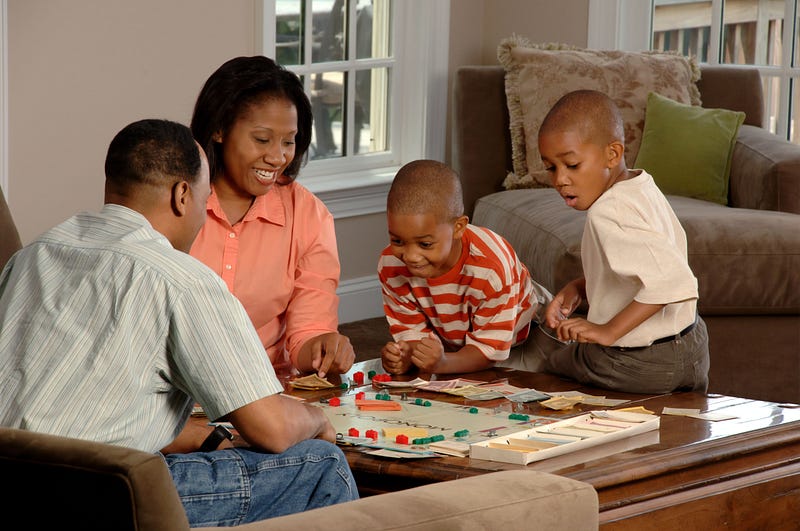
- Don’t forget time with your loved ones. I no longer work on weekends. That’s family time. Take time off to spend with family and friends. Live life and forget about work. It will still be there the next day. While you may have to work a weekend now and then due to a Big Important Project, try to prioritize family time for your long-term health and stress control.
Gathering Your Resources
You may think you’re alone working from home, but you’re actually part of a vast community of people just like you.
Reach out to them to remind yourself of this. Let them reach out to you.
The suggestions here will all help in dealing with isolation and the effects of isolation, but those other folks in the freelance and work-from-home community may also have some ideas.
Benefit from these resources.
Have a great day at work, and have a great day not at work.
Cheers!
About John Teehan
John lives in Rhode Island with his wife, son, and dog. He specializes in tech, health, business, parenting, pop culture, and gaming. Visit wordsbyjohn.net for more info and rates. Twitter: @WordsByJohn2


