
PERSONAL INSIGHTS | INNER CHILD WORK | HEALING
How To Explore Your Inner Child Through Your Favourite Fairytales
It’s never too late to learn something new about yourself
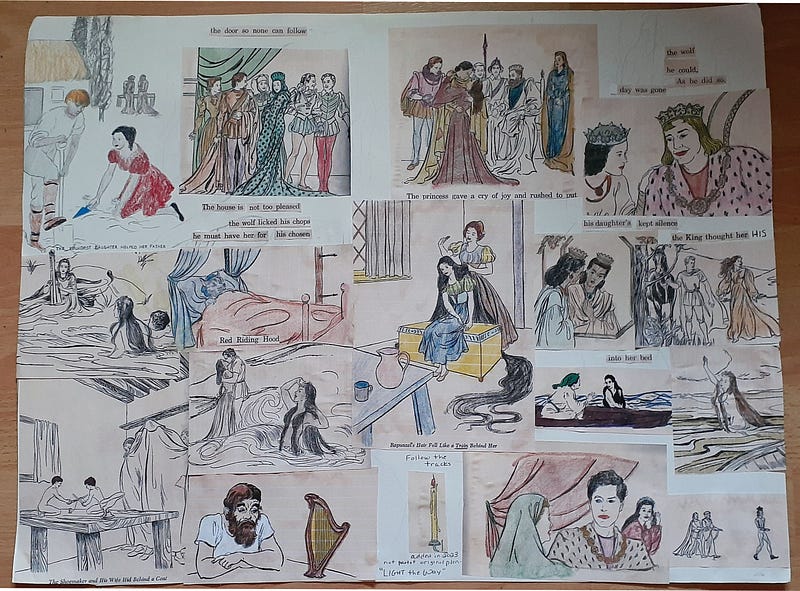
In June 1992 my 73-year-old father died. Three months after his death, after an awful hangover, at age 33, I gave up drinking. I’d come to the point in my life where I felt I no longer needed alcohol to numb my feelings, but I hadn’t expected so much to surface. I felt like I no longer knew who I was or how I got to that point in my life. It felt as if I’d been sleepwalking.
Childhood memories started coming up, and my life felt like it was falling apart, and I entered therapy. Part of getting in touch with my inner child led me to the fairytales I’d loved growing up.
First, I leafed through the book I had since childhood, looking for all the images I coloured as a child.
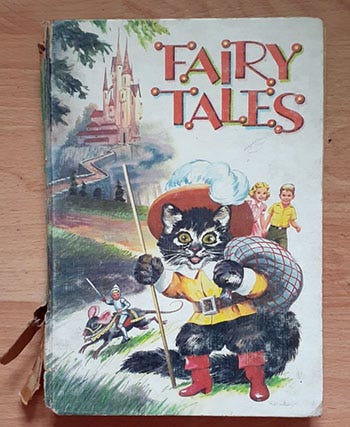
I still have this childhood book. The fairy tales were retold in the book by Katharine Gibson. Illustrations by Isobel Read.
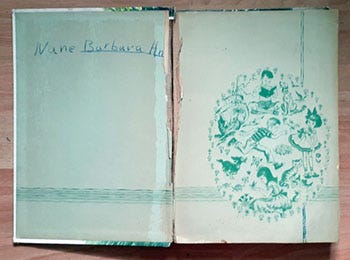
On the inside cover, I had printed my name as a young child.
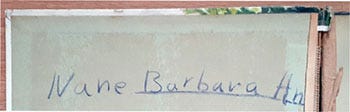
I now notice I spelled the word name wrong.
In 1992, life was much different when it came to technology. We had no computer or printer in our home. I’d set out to draw all the images from the fairytale book that I’d coloured.
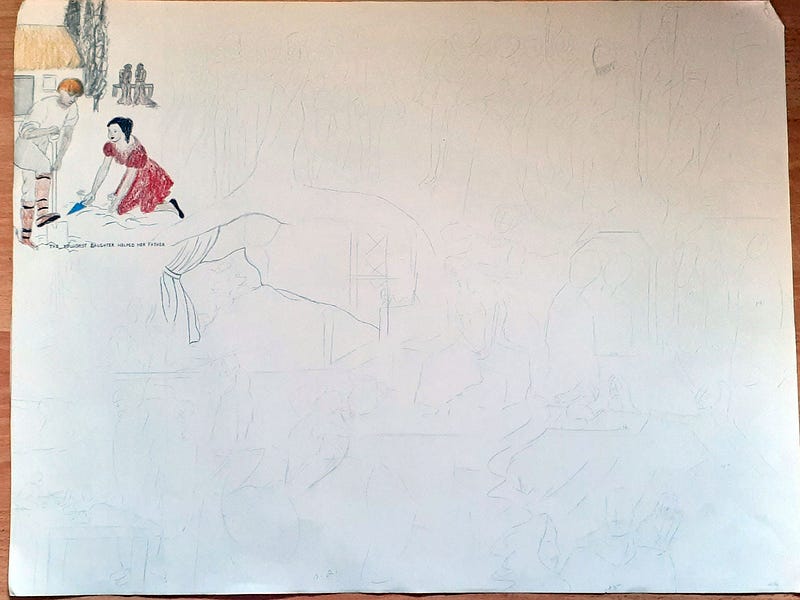
I had sketched a rough layout of the placement of the pictures from the book. In some places, I only listed the page number.
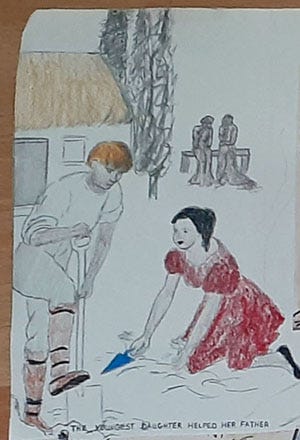
I used the same colours I’d used as a child.
The words beneath the image read: The youngest daughter helped her father.
In 1992, my life was very busy raising three children, married to a recovering alcoholic husband, and living next door to my mother and my childhood home where I couldn’t seem to escape the past.
A past that became even more complicated when I discovered my father had been a sexual abuser.
I dealt with what I could back then in getting to a place where my life improved, and I thought I could put that all behind me. It turns out it is not that easy.
And now, since I’m retired, my children are all adults living on their own, and my husband and I are in a comfortable place, I’ve decided to look through the eyes of my current 64-year-old self to understand more than I could back then.
For the past two years, I’ve been slowly working on stories for my next memoir, Where Predators Sleep. Originally, I expected to span many years and deal with many kinds of predators, both male and female.
But in the last couple of weeks, I’ve felt I need to narrow the time frame.
Narrow the focus. Make it less complicated.
Follow a chronological three-year period.
Now in late middle age, I’ve been led back to a project I started 31 years ago. I am going through my journals, drawings, and notes on therapy sessions from long ago and I see it all with new eyes.
As I contemplated completing this project, I thought of all the time it would take me to do these drawings. Maybe that’s why this project was left unfinished. Or maybe I wasn’t ready to go that deep.
Then I had a great idea!
Why draw the images when I could make colour copies?
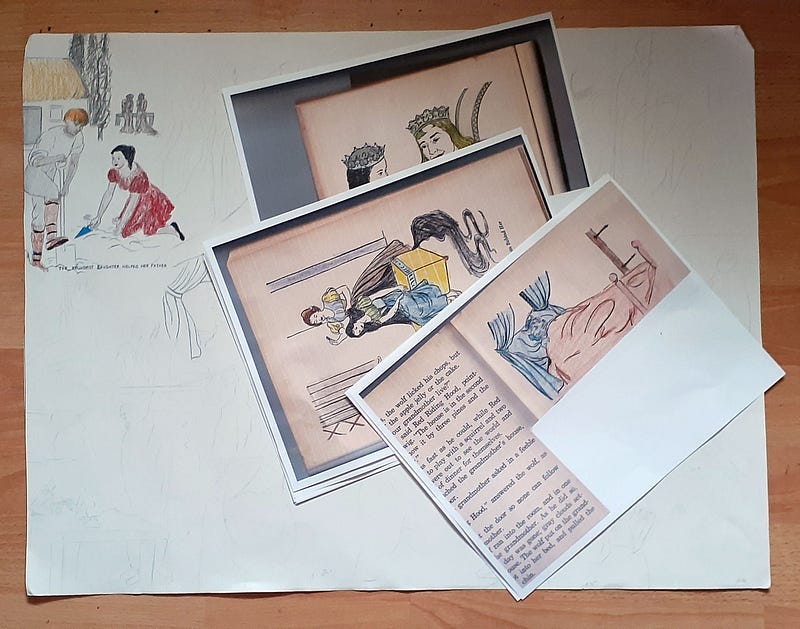
So, I went through the fairytale book and used our home printer to make colour copies of all the pictures.
Then I cut the pictures out and glued them in the places I had previously planned for them.
You might be wondering, what do I plan to do with this collage?
The answer is, that I plan to use it as a way to explore and communicate between my child self and my adult self. That had been my intent in 1992 and was brought to light again when I read Dear Sexual Abuse Survivor: This is the Guide I Wish Someone Had Written for Me by Sylvia Fraser.
Stories we read, and reread, with enthusiasm can tell us a lot about ourselves.
Fairytales are well plotted stories, which we encounter as children when our psyches are open and vulnerable. For this reason, our choices often reflect what is happening to us on a deep emotional level. — from the Sylivia Fraser book listed above.
If you would like to explore this for yourself, here are the instructions from her book:
Choose a fairytale, which intrigues you.
Write down the basic plot, with as much detail as you can remember.
No cheating. Don’t Google it, or check a book.
Ask yourself what does each of the main characters want?
What is the climax of the story, when the action is decided one way or another?
Is this a happy or sad story?
What lesson does this story teach?
I am not very good at following such instructions as above.
I usually find my own way of what works best for me.
So here is more about my approach.
I make note of thoughts, ideas, and words that come to mind.
While working on this project, I remembered the fairy tales that were my favourite, such as Red Riding Hood, Rapunzel, Hansel & Gretel, and many more.
But one stood out to me as not being a favourite, The Sea Maiden. Yet I’d coloured five pictures from that story. Curious, I reread the story and spent the next few days making notes of what came up. Those insights will become another article.
On some of the pages, a bit of text was copied.
I cut out the impactful words and added them to the collage.
The door. So none can follow. The house is not too pleased. The wolf licked his chops. He must have her for his chosen.
The wolf. He could.
As he did so. Day was gone. His daughters kept silence.
Into her bed. The King thought her his.
Rapunzel’s hair fell like a train behind her. Follow the tracks. Light the way.
My plan is to further explore each of the fairytales I’d coloured as a child to find out what I may discover.
It is a project any of us can easily do, whether there’s abuse in our past or not. It allows for insights into our inner child— and we all have one of those.
Barbara Carter — Artist and writer with a focus on healing from childhood trauma, alcohol addiction, and living her best authentic life.
Currently, she’s writing a memoir Where Predators Sleep, about healing from childhood sexual abuse. BARBARA By The BAY.


