
How to Evaluate…
A Nutrition Coach

A lot of people bill themselves as Nutrition Coaches in one form or another. Some of these people have a nutrition science background and some do not. Frequently Fitness Coaches discuss nutrition — which makes sense given the relationship between certain fitness goals (like building muscle) and aspects of nutrition that can support those goals.
I don’t think a degree in nutrition science is a prerequisite for providing sound nutrition coaching. In fact, much of what’s taught in nutrition science programs is outdated information, based on paradigms that have been proven wrong for decades but for some reason, still find their way into textbooks used in Nutrition Science — and even medical school texts — around the world. So, in some ways, having this background can lead to giving poor, outdated advice.
This article explores some of the old paradigms in nutrition and how to tell if the coach you are listening to, or are thinking about listening to, is likely to be giving you advice based on these old views or if they are clued into the latest science has to offer.
About the Author
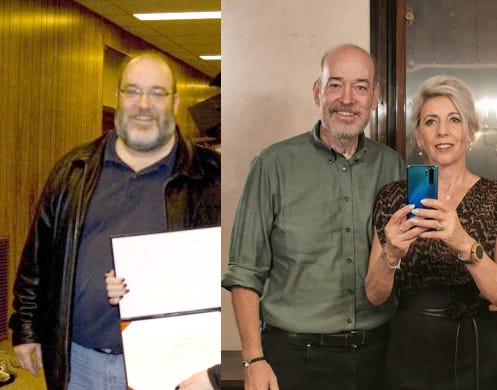
I have an advanced degree in Research Methods and Statistics from the University of Illinois at Chicago. Recently, I have done a lot of secondary research in the areas of nutrition, metabolism (what happens to the nutrients we eat after we eat them) and how nutrition and metabolism work together in terms of weight management. I wrote a book about these topics (my profile contains more information on the book) after I used the information I had learned to lose 175 pounds — nearly half of my starting body weight. I had struggled with my weight for much of my adult life following the outdated advice offered by my doctors and nutritionists. When I finally followed the advice indicated by the science (that’s been out there for as much as 100 years), the weight melted away and my overall health improved dramatically.
An Important Definition
An important definition to keep in mind when discussing nutrition is the notion of an “essential” nutrient. In the field of nutrition, an essential nutrient is one that we must ingest to make it available to our body. I know, that sounds rather obvious at first blush. But consider the fact that we need 20 different amino acids (proteins, if you will) to function — that is, if you don’t get enough of these 20 proteins, you will get sick and die.
However, you only need to eat 9 of the 20 to survive. Why? Because if you eat enough of the 9 “essential” amino acids, your body can take apart those 9, reorder their chemical makeup, and produce the other 11 it needs.
Misinformation About Fat
There are two essential fatty acids: omega-3 and omega-6. We get those fatty acids from, you guessed it, eating fat. This is fairly well-known and agreed upon. There is, however, a persistent perception that people should eat a low-fat diet. The thinking is that the gunk that can clog your arteries — that looks like fat — gets there because you eat too much fat.
This notion was introduced in the 1950s by a man named Ancel Keys. Then-President Eisenhower had just had a heart attack and Keys claimed it was because Eisenhower ate eggs and sausage every day for breakfast. Somehow, in light of the apparent logic of Keys’ notion that dietary fat clogged Eisenhower’s arteries, the fact that Ike smoked five packs of cigarettes a day slipped everyone’s notice.
Keys went on to show data from what he called The Seven Country Study, which showed a strong relationship between dietary fat consumption and heart disease. The only problem with the study, which was quickly pointed out by opponents of the “eating fat clogs your arteries” notion, was that it originally had 21 countries in it — Keys deleted the data from the 14 countries that didn’t support his idea. That’s really not how science is supposed to work…
But Keys was very connected (he developed the old K-Ration used by soldiers in the field in WW2 — the K is for Keys) and pushed his idea into the American Heart Association and beyond. And while study after study has shown that it is NOT dietary fat — or even cholesterol for that matter — that leads to cardiovascular disease, nutrition science programs, the American Heart Association, the American Medical Association, the USDA Dietary guidelines and even the CDC still recommend eating a low-fat diet.
So, if your Nutrition Coach tells you to “watch your fat intake,” s/he is basing that recommendation on an idea that has zero scientific evidence backing it up. They might point to large-scale observational studies as support for their advice — but that type of study cannot make claims of causation. Even though the researchers conducting these studies often make it sound like they found a cause and effect relationship, they haven’t — the methodology behind the study doesn’t allow the determination of causation.
Try to get your Nutrition Coach to watch this video and get their reaction. An “evidence-based” coach will take the information into account and, if they recommended low-fat diets in the past, should at least question this advice and dig into the scientific literature bit more before continuing to advocate a low-fat diet.
Misinformation About Protein
There are three general pieces of misinformation related to protein that are perpetuated by many Nutrition Coaches: One is that eating too much protein can lead to kidney disease. There is no evidence that this is the case (see reference 1). In fact there is evidence that high levels of protein in the diet actually improves kidney function (2). While it is true that if you already have kidney problems, high amounts of protein can make things worse. But if you have normal kidney function, high levels of dietary protein aren’t a problem.
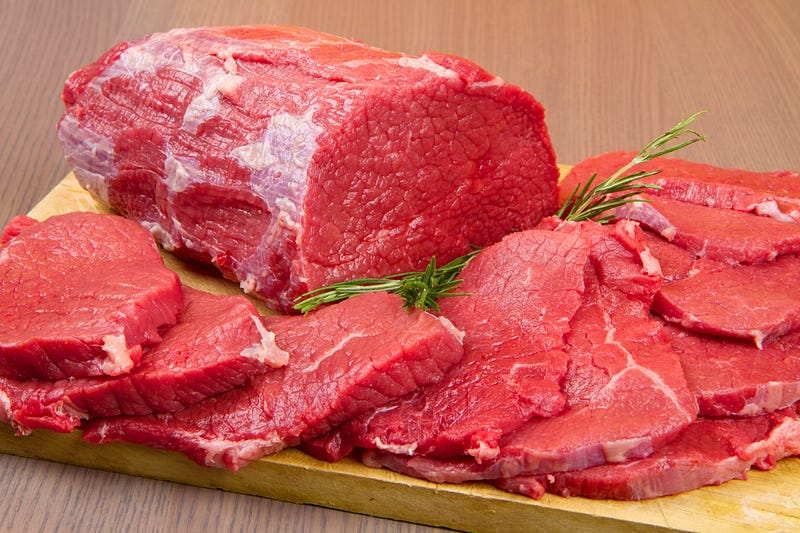
Another myth is that protein, in the form of red meat, causes cancer. Again, there is no scientific evidence for this claim. There is observational data that shows a weak association between red meat/processed meat consumption and cancer, but it’s the kind of data that does not support a conclusion that there is a cause and effect relationship.
A third concern sometimes raised by Nutrition Coaches is that eating protein raises your insulin level in the blood. While this is true on a low-fat/high-carb diet, it is NOT true if you have been eating a low-carb diet for a while.
One tendency for people when it comes to protein that makes these three myths less of an issue is that they tend to feel full before they eat a great deal of protein. People will tend to get about 20% of their calories from protein, which doesn’t raise concerns even among the misinformed.
But ask you Nutrition Coach about protein and see if they tell you about how it causes cancer or can cause kidney damage or elevated levels of serum insulin. If they bring up those topics, they aren’t working from the current base of scientific evidence.
Misinformation About Carbohydrate
Carbohydrate is a macronutrient that gets broken down in the body to become glucose. The only fuel source for red blood cells is glucose, so we need some at all times.

The number one myth about carbohydrate is that we need to eat a lot of it because our brain needs glucose for fuel. There are two issues here. First, there is no evidence supporting the notion that the brain needs glucose. While it is true that glucose can cross the blood/brain barrier to fuel the brain and fatty acids cannot, there is another source of energy available to the brain — ketone bodies — that can also cross the brain/blood barrier. Ketone bodies are derived from fat — either the fat you eat, or the fat already stored in your body.
The second myth is that we need to eat carbohydrate for the brain (or the rest of our body) to get glucose. This is not true. Carbohydrate is a non-essential nutrient for humans — we don’t need to eat any carbohydrate. We can get all the glucose we need (which isn’t very much) from a process performed by the liver called gluconeogenesis. Remember how we can get the 11 needed, but non-essential, amino acids by rearranging the molecules of the 9 amino acids we do need to eat? Well, gluconeogenesis takes fat (dietary fat or body fat) and converts it into glucose. Take a moment to let that sink in. Your body comes with a means to use stored body fat for energy that doesn’t require a gym or medication. It just requires you don’t eat a lot of carbohydrate.
While there is almost no scientific literature citing the fact that carbohydrate is a non-essential nutrient, there are no known carbohydrate deficiencies on record (there are several known deficiencies for lack of omega-3 & 6 as well as the lack of the 9 essential amino acids — see here and here). Also, the International Dietary Energy Consultancy Group (3), back in 1998, concluded that “The theoretical minimal level of carbohydrate (CHO) intake is zero…” They, oddly, go on to point out “In addition, the complete absence of dietary CHO entails the breakdown of fat to supply energy [glycerol as a gluconeogenic substrate, and ketone bodies as an alternative fuel for the central nervous system (CNS)], resulting in symptomatic ketosis,” as if breaking down fat to fuel your body is a bad thing.
A third myth is that glucose (which is derived from carbohydrate, if you eat it) is the preferred fuel source for your body. Again there is no scientific basis for this claim of preference. It is true that if a person who is in what’s called nutritional ketosis (their body is essentially living off body fat/ketone bodies) eats a lot of carbohydrate, their body will switch and use up all the glucose in the blood before going back to using fat for energy. Some see this as logical evidence for the body preferring glucose.
I see it a different way. A high level of blood glucose presents dangers to the body if left unchecked. Type 2 diabetes is a condition where the body can’t handle all the glucose in the blood, so Type 2 diabetics need to inject themselves with extra insulin to manage it. If high levels of blood glucose weren’t a problem, there wouldn’t be a reason to treat it.

Now, suppose we think of our body as a room with a fireplace. We have piles of wood to burn (body fat), which we do happily, and we get a new supply every day from the firewood vendor. Then, all of a sudden, someone drops a pile of oily rags into the room (high blood glucose). What would you do? If this happened to me, although using up all the firewood is useful, I’d burn those oily rags right away — because they represent an immediate threat while the piling up firewood is a longer-term problem (obesity, etc.). I think that what the body uses first shouldn’t be confused with a preference.
A great question to ask your Nutrition Coach is How much carbohydrate do I need in my diet? If the answer is anything except “none,” they are not up on the evidence-based scientific literature with respect to carbohydrate.
Putting It All Together
The problem with Nutrition Coaches who aren’t up on the latest information on nutrition is that they can give bad advice. The big problem with a low-fat diet is what it ends up doing to your intake of carbohydrate. As I mentioned above, most people eat about as much protein as they can comfortably eat. So if you lower the number of calories you get from fat, the number of calories you get from carbohydrate has to go up.
Eating a lot of carbohydrate (the USDA Dietary Guidelines recommends 65% of calories come from carbohydrate) puts a lot of glucose into the blood. High levels of blood glucose lead to high levels of insulin in the blood. Consistently high levels of insulin in the blood often results in a condition called insulin resistance — requiring more and more insulin in the blood to manage the glucose. A high level of insulin in the blood blocks the use of body fat for energy — which, over time, can lead to high blood pressure, cardiovascular disease, obesity and/or Type 2 diabetes.
So if you are using a Nutrition Coach to lose weight or to just improve your health, and they suggest a low-fat diet, they are essentially recommending a diet that will likely lead to poor health and weight gain, to the point of obesity and Type 2 diabetes, if not cardiovascular disease and a heart attack. I don’t blame the coaches so much as I blame what they were taught. But if you challenge their beliefs, show them the evidence, and they “stand by their recommendation of a low-fat diet,” you are probably better off finding a different coach.
I wrote a book about nutrition, metabolism and weight management where I cover topics like this in more depth — but not so much that you need an advanced degree to understand it! See my profile page for more details, if you are interested. It’s available on Amazon.
References
1. Martin WF, et al. Dietary protein intake and renal function. Nutrition and Metabolism. 2005; 2: 25.
2. Devries MC, et al. Changes in Kidney Function Do Not Differ between Healthy Adults Consuming Higher- Compared with Lower- or Normal-Protein Diets: A Systematic Review and Meta-Analysis. The Journal of Nutrition, 2018 Nov; 148(11): 1760–1775.
3. Bier DM, Brosnan JT, Flatt JP, et al. Report of the IDECG Working Group on lower and upper limits of carbohydrate and fat intake. European Journal of Clinical Nutrition 1999; 53 (suppl): S177–8.
Stock images licensed via freepik.com


