
Article Media and Marketing.
How to Enhance Article Reach with Thumbnails.
The Best Practice for Selecting Articles Featured Images.

You are writing about any topic such as one related to finance. Your awesome article is ready and needs an image.
However, simply typing (money) into an image stock platform search bar and scrolling through will not bring unique results. Often, the images are generic, such as hands counting dollars, or just a bundle of notes.
Here is what you will get. I am confident you have seen these images in other writers’ articles.

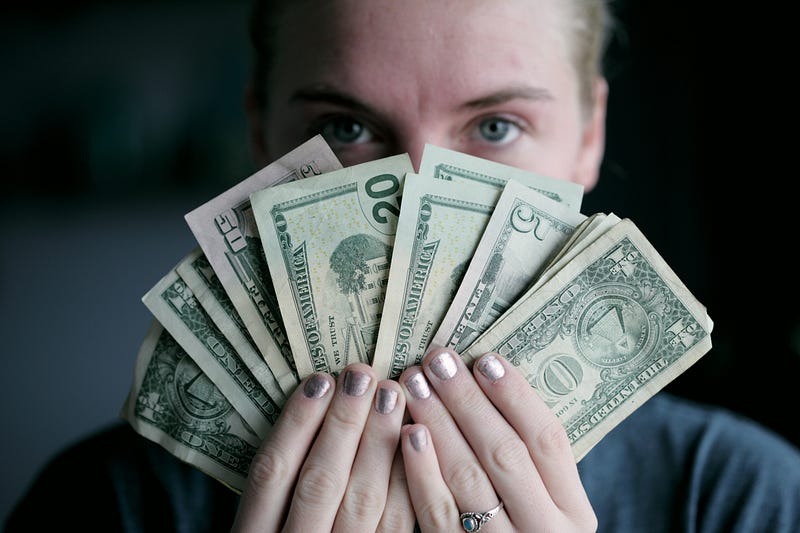
Using common images will not make our article stand out. We have consumed them. Despite our unique content, viewers may assume it is not much different from others.
Do I Need an Impactful Article Thumbnail?
You believe in your writing and your name. A valid point indeed. If you already have an audience and do not need more, you might use any thumbnail. Your loyal audience may not look at your article thumbnail.
However, to reach a new audience, you need a different strategy.
Audience. Keep Them, Add More.
Audiences are dynamic. People in and people out. We will not stick with one writer forever. Our preferences and interests are constantly changing. It is wise to always search for new audiences to balance this turnover.
Reach VS. Read.
Will This Article’s Findings Improve My Audience’s Read?
Yes, and No.
This article will present the best practices for selecting articles’ thumbnail images to enhance your article’s reach and views. The reach is an entrance for the read.
To improve our audience’s reading time, we need to take care of different parameters — mainly the quality and structure of our masterpiece. However, the reach is an essential step. Without it, our content will live in an isolated shell unread, even if it is the best.
What is a Featured Image?
The featured image (also known as article thumbnail) is the post image that represents our article. It shows up on behalf of our article in the searches, previews, and listings, along with the article title, subtitle, and description. It will also appear in our newsletter and with the link when someone shares the article on social media or email.
These four guys: thumbnail, title, subtitle, and meta description, like the sales team in your organization. Salespeople must have a professional appearance and excellent communication skills. They are the key staff a company cannot survive without them.
Companies pay them the best salaries and take care of their training and performance. This is how also you should handle thumbnails, titles, subtitles, and meta descriptions of your article.
You can call them: The Reach Team.
- Thumbnails
- Titles
- Subtitles
- Meta descriptions
Think of them as a separate entity in your writing business with a mission to communicate and bring the readers to your article’s doorstep. Nothing more.
If you ever worked or have some information about how organizations work, may get my analogy.
Today, our focus is on one of the four reach factors. That is the thumbnail image. It is important to note that we need to enhance all four factors for optimal results.
Featured (Thumbnail) VS. First Image.
In Medium. The first image in your article does not need to be the thumbnail /featured image. Medium will use your first image as the default thumbnail unless you change this setting. Refer to Medium featured image help to learn how you can change the featured image to any of your article images using image picker.
The reason that Medium segregates thumbnail and cover/first image is because they know each one has a distinct set of goals. It is Reach vs. Read goals.
Aspect Ratio.
It is always safe to use square images for better thumbnail display and to avoid possible cropping out your image details. You can still use any aspect ratio. Here, I recommend using the Medium focal point feature. This tool will help to preserve the important parts of your featured image from being lost in the crop. You may not need to use the focal point if your featured image aspect ratio is 1:1 / square.
Why Thumbnail Images are Significant?
Today, online information is exploding. Everyone is seeking audiences. Without attractive, eye-catching titles and thumbnails, we will lose our work in the noise. An impactful relevant thumbnail image is critical to ensure our content will reach audiences.
Content with relevant images gets 94% more views. According to Social Media Today.
How Humans Attracted to an Image or Graphic?
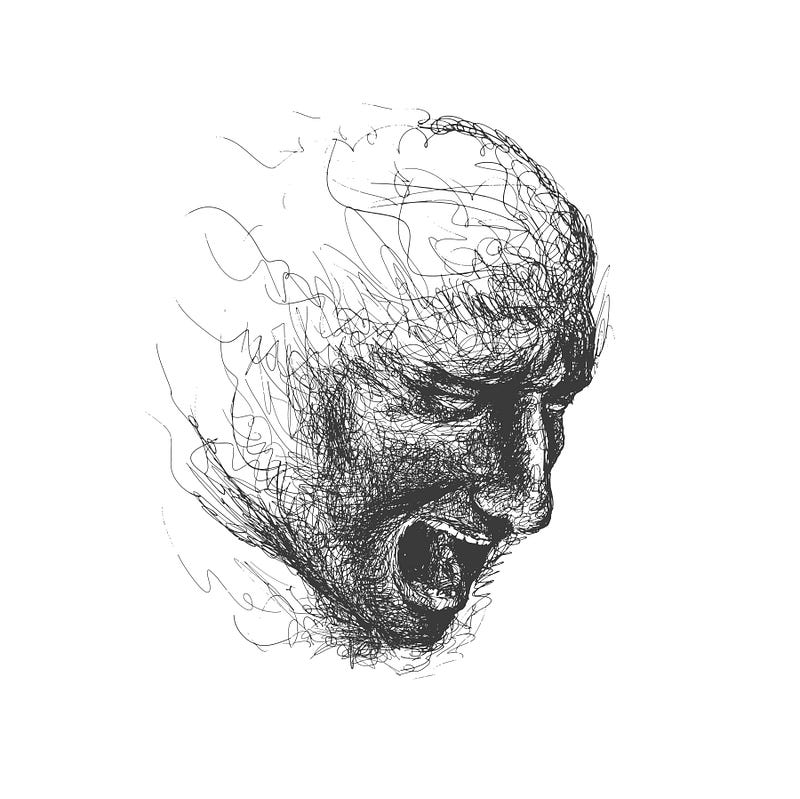
To bring viewers’ attention to our thumbnail image, which does not differ from any other image, we need to understand how we get attracted to an image.
It is important to note that we will not find one image to impact and attract everyone. Depending on the image we use, it will influence particular types of people. It is always subjective. We may need to select an image that targets a particular audience.
- Beautiful: Humans are drawn to beauty.
- Emotion: Images that trigger positive and negative emotions, such as happiness and horror.
- Mystery: Mysterious images. That evokes our curiosity and makes us wonder.
- Meaning: This can be anything that has personal meaning for us. It could be an image reminding us of anything we love, like a person or a place. Our culture, religion, race, or any other personal aspect can also influence images.
10 Key Attributes of the Ideal Featured Image.
Your thumbnail image does not need to comply with all these attributes.
- Relevancy.
- Authenticity.
- Uniqueness.
- High resolution.
- Square.
- Simplicity.
- Visibility.
- Artistic look.
- Comfortable. Easy on the eyes.
- Attractive.
Selecting Featured Image, Key Tips.
Image Search.
- Diversify image search options using different platforms.
- Don’t rush to publish. Dedicate reasonable time for thumbnail image search.
- Use weird, but relevant, search keywords to bring unique images that are rarely used. The key is to find an image that is less likely seen before. That being said, image platforms such as Unsplash and Pixabay are still shared image platforms. We cannot find 100% unique images unless you make your own photographs and graphics.
Invest.
If you have the resources, invest in subscription-based image stock sites to find unique high-quality images. You can also contract with graphic designers and artists freelancers.
Learn.
Develop basic skills to customize images. Most platforms offer built-in basic customization. You do not need to be a graphic designer. The basics will be enough to distinguish yourself from others.
Legal Rights.
Make sure you have legal rights to the image, or make attribution to the owner.
Examples of Images Not Suitable as Thumbnails.
Irrelevance.
Visuals are less likely to be perceived as misleading if they are slightly unrelated. However, we should not use images completely unrelated to our subjects.
Example: Cost of the Ebola Epidemic.

Common, dull.
Thousands of creators may use the below image every day. However, there is nothing special in hand holding a pencil and writing on paper.
This is one of the most consumed images in blogging communities. I will not deny that I have used it myself before as a cover image for one of my articles. It might be okay as a first image, still informative, clean, and friendly, but not unique enough to be used as a thumbnail.
Before we use this image, we need to ask ourselves the following question:
What are the reasons for encouraging viewers to click on this image? None.
Topics Examples: Writing Tips, Writing, Learning, Education.

Ordinary, usual.
Whatever the subject of the below image, a group of people working in an office is a familiar scene that no one will care about.
We cannot see most of these details in the small size format of the thumbnail either. Using this image as a thumbnail like we have used no thumbnail.
Topics Examples: Business, Learning, Education.

Lack of clarity.
The below image is a window in a dark room. It might be useful for any purpose, however, in a thumbnail format, it will display like a white dot on a black screen.

The below image is a night party. In a thumbnail format, it will look like a meaningless noise of red and black painting.

Unauthentic, fake.
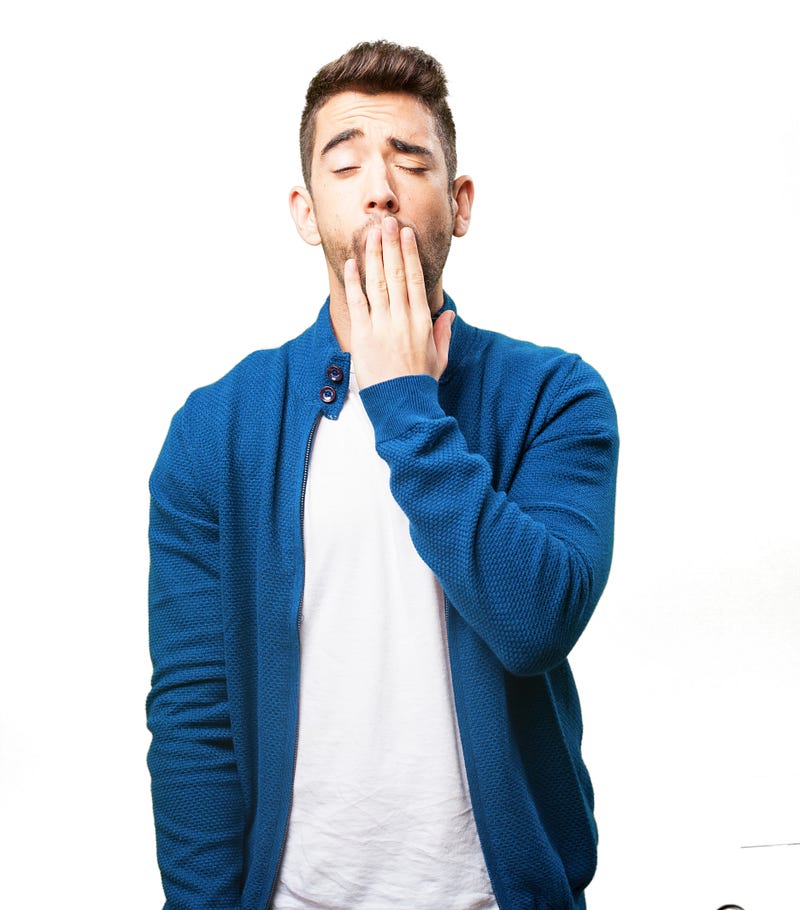
We might use the below images for any topic to express different emotions. Using an image with clear fake emotions will immediately disconnect the image from the audience as opposed to an authentic image.
Examples of use: Excited, Happy.

Here is another example of an unauthentic image of a sleepy man who is not sleepy. We do not like fake things, for various reasons. One reason could be the feeling we receive of insulting our ability to comprehend. The fake image will also distrust the work that we are promoting.
The Role of Faces.
Human faces are powerful tools of communication. Content marketers incorporate human faces into thumbnails to create impact and engagement.
The supporters of this marketing strategy depend on the concept that people are, by nature, drawn to other people.
I might agree with them on the power of human faces, but I do not think a person's face will be enough to incentivize viewers to click on a thumbnail.
Examples of Images Suitable as Thumbnails.
Artistic look.
The artistic image always invites viewers to look closer.
Topic Example: Poem.

Simple.
A simple image is easy to scan and can deliver our message instantly. Readers usually scroll through a list of articles on their devices. We have less than one second to make it happen.
Topics Examples: Heart Health, Health.

Authentic, real.
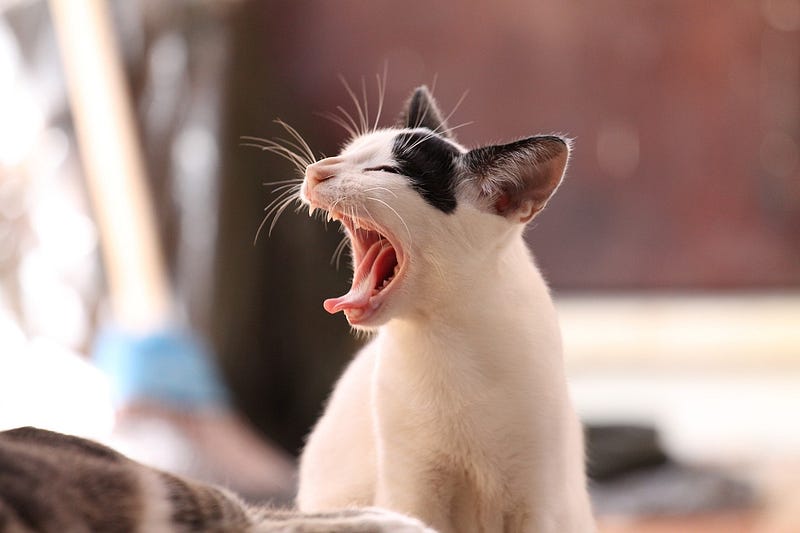
If we need to use images that express emotions, we should make sure they are not clearly fake. The below images are safe to use. They are more authentic and can connect with the reader while delivering our message.
Examples of use: Bored, Sleepy.

Explore and Learn.
Dimensions of Curiosity.
Curiosity evoking is a powerful technique that is widely used today in article titles to urge viewers to click on a link.
When we evoke curiosity, we make people want to learn more. We create a gap in their knowledge, and they are naturally motivated to fill that gap.
Researchers have identified five distinct dimensions of curiosity. The five dimensions of curiosity are not mutually exclusive and vary among individuals. (1) (2)
- Deprivation Sensitivity. The tendency to be curious about things that are missing or unavailable.
- Joyous Exploration. The tendency to be curious about things that are new and interesting.
- Social Curiosity. The tendency to be curious about other people.
- Stress Tolerance The ability to handle the anxiety that comes with uncertainty and new experiences.
- Thrill Seeking. The tendency to seek new and exciting experiences.
We can also combine the five dimensions of curiosity to create four distinct curiosity profiles:
The Fascinated Profile.
Characterized by high levels of curiosity in all five dimensions. People in this profile have a strong innate drive to explore and learn, and they are constantly seeking out new experiences.
Problem Solvers Profile.
Characterized by high levels of deprivation, sensitivity, and stress tolerance. People in this profile are motivated to learn new things to solve problems and achieve their goals.
Empathizers Profile.
Characterized by high levels of social curiosity. People in this profile are interested in understanding other people’s thoughts, feelings, and motivations.
Avoiders Profile.
Characterized by low levels of curiosity in all five dimensions. People in this profile are hesitant to explore new things and prefer to avoid uncertainty.
Takeaways.
Thumbnail Objectives.
The main two objectives of our thumbnail besides the other reach factors title, subtitle, and meta description are to transmit overview information about the article content while creating attraction.
The best thumbnails we can make when we balance between these two objectives.
Image Search Keywords.
To get the optimal thumbnail image for our article, we will need to be patient and creative in our search. Usually, the image stock platforms have millions of buried images. Dedicating time to playing with keywords using silly and inexplicable words will get you what you want.
Misleading.
We need to select our featured image with the best practices without irritating Medium, and other platforms’ filter algorithms. Am sure this is something none of us wants to do. Medium is discouraging clickbait in titles and previews, however, they still recommend preview images that spark reader interest.
“The best way to maximize earnings here is to use titles, subtitles, and preview images that spark reader interest in a way that the story is able to fully deliver on.” Buster Benson
While the thumbnail image is still safe from any clickbait algorithm filters, unlike other reach factors, titles, and previews, we should not misleadingly use them, unless we are planning to bury our business in the long run.
References.
- Let Us Be Creative.
- Share your experience and thoughts.
- Follow us.


