
How to Effectively Use Social Media to Manage Crisis Communications
Your brand will benefit from an organized social media strategy
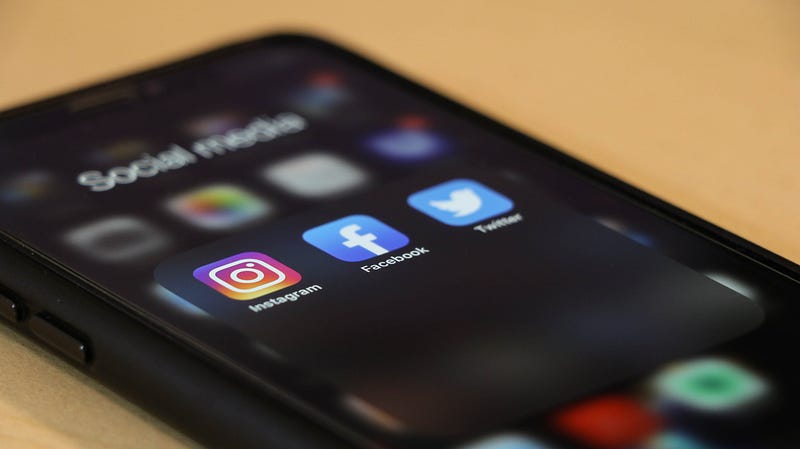
In times of crisis, having an open line of communication is crucial for sharing essential pieces of timely information that needs to reach your audience. It’s also vital for maintaining transparency during uncertain times.
One of the easiest ways to get important pieces of information out to a large audience in a short amount of time is through social media channels. It’s essential that if you decide to use social media for significant messages to develop guidelines for any public-facing communications.
Develop a social media strategy.
Have a team that has dedicated social media roles and responsibilities. Social media responsibilities usually include monitoring social media channels. Assign team members to social media roles to offer quick response times to comments and questions and address any negative feedback.
How to do that:
Step 1: Develop goals for your social media presence. It’s important to create objectives that you can work toward and have data to track your progress.
Step 2: Know your audience. Study the demographics that interact with your brand. You can use this data to create custom content for your social presence.
Step 3: Study your competition. Delving into your competitor's social presence will serve your brand’s success. By analyzing what they are doing you could create new opportunities that will better serve your audience.
Step 4: Do regular audits of your social accounts. I recommend doing social audits quarterly or semi-annually, depending on your brand and how often you want to gauge the success of your social presence.
Develop a crisis response plan
The most important piece of a social media strategy is a crisis response plan.
A crisis response plan should include detailed instructions for every phase of handling a crisis. Layout the structure for how to alert the social media team when negative feedback happens. It’s also important to plan on who will be responsible for responding to negative feedback.
How to do that:
Depending on the background of your brand there are scenarios where a brand can create pre-approved messaging. Having pre-approved messaging is critical for scenarios you may face. This allows the social media team to release a response at a moment’s notice.
For example, schools frequently have fire drills or lockdowns. It’s simple to create pre-approved messaging if a school has an unplanned event and notification needs to go out immediately.
However, many scenarios do not allow for pre-approved messaging. Certain circumstances will require a custom response. If this happens, it’s important for the social media team to communicate together to develop a custom strategy for the crisis situation.
It’s critical to develop messaging in a timely manner that helps to address recent events. Any comments or feedback left on social media channels may also require custom responses.
For example, if a person within an organization is terminated without warning, some people may want to know why they were fired. Naturally, there are laws that protect an individual's right to privacy so you have to be careful how you maneuver any negative social interactions.
A sample response on social media might be: Due to privacy laws, we can not comment or discuss the employment status of any of our current or former staff members. If you have any questions or concerns, we recommend you reach out to us directly at [insert appropriate contact info here].
Want more communication tips?
Want to develop a communication skill set that will put your life on a whole new trajectory? Click here to subscribe and grab my FREE Effective Communication Techniques that will place the world in the palm of your hands.