
How To Eat More Protein
The most important mealtime strategy
Eating more protein is an essential component of any fat loss, muscle building, or body composition goal.
As I mentioned previously in my story on why protein matters so much, there is nothing more valuable for achieving dietary goals. Protein is essential for muscle building and for keeping the metabolism stoked through muscle preservation. One thing I’ve noticed about advanced bodybuilders is that their protein consumption remains constant when cutting or bulking. The variables that are manipulated are carbohydrate/fat consumption, cardio, and water intake. The reason that protein intake remains consistent is because it is vital for holding onto that hard-earned muscle. My experience as a fitness and nutrition coach has involved a lot of coaching on strategies to increase protein intake. Most of my clients are surprised when I provide their macronutrient breakdown as they feel that 120–180 grams of protein a day is way too much. The truth is that it is not.
The real issue is two-pronged: (1) It is easy to overconsume carbohydrates and fats; (2) We don’t adopt the right mindsets and behaviors necessary to eat enough protein.
In my Free Lifestyle Guide, I reference a few of the primary ways to eat more protein. Most strategies are behavioral and have nothing to do with the physical act of eating more protein. The primary strategy that I recommend is having protein as the centerpiece of every meal. This will help to organize meals around a protein source and help to eliminate meals like pasta, pizza, and sandwiches.
The following strategies are highlighted below with links for some of my recommended resources.
- Make protein the centerpiece
- Eat high-protein snacks
- Drink 1–2 protein shakes per day
- Boost prepped meals (or salads)
1. Make Protein The Centerpiece
The sad truth is that protein is rarely the centerpiece of the meal. It is usually just a tiny slice of our plate, which is dominated by the starches and carbs we love so much.
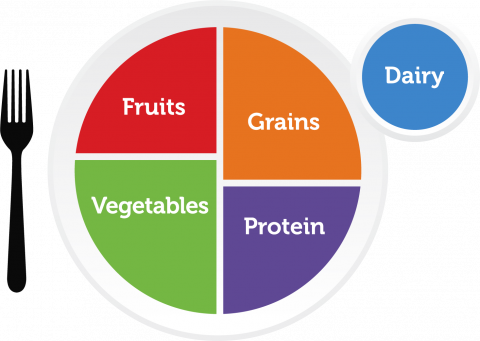
The Standard American Diet (SAD) depicted above is carbohydrate-centric. Even the healthier and updated version available at myplate.gov shows that protein is just 1/4 of the plate. It is only feasible to get enough protein if your meals are composed in a different manner. What is worse is that most people eat another version aptly called the Modern American Diet (MAD), which consists of highly processed foods that double or triple the amount of fat consumed in addition to the high amounts of processed carbohydrates. Making protein the centerpiece of every meal is much more of a mindset and behavioral change than anything else.
It will require that you establish some new habits and thought patterns regarding how meals are made up, including how you buy groceries and prep your food.
2. Eat High-Protein Snacks
High-protein snacks or “mini-meals” if they are over 300 calories can help with your daily goals, especially if you struggle to get enough protein from 3–5 primary meals. Snacks are typically not high in protein, so it takes some planning and preparation to get it right. I also like to group protein “enhanced” foods into this category, because the one advantage of having access to modern, processed foods is that they also make high-protein versions of your favorite snacks. Although I recommend them, they are not meant to be eaten more than 1–2 times per day. Think of these snacks as a treat or supplement to an already high-quality, protein-centric meal strategy.
Here are some of my favorite high-protein snacks:
- Beef Jerky (w/or without cheese): The New Primal Grass-Feed Beef Sticks and Happy Belly Light Mozzarella String Cheese
- Greek Yogurt: The highest ratio of protein to fat is, not surprisingly, Ratio Protein Yogurt
- Protein Bars: The classic Quest Bar is still hard to top, but others have amazing taste, like the cinnamon roll and pop-tarts from Legendary Foods.
- Protein Cereal and Milk: I’m still not sure how these flavors from Magic Spoon are legal. I eat it with unsweetened almond milk or with Fairlife for an extra boost of protein.
3. Drink 1–2 Protein Shakes Per Day
Protein shakes are the quickest and most convenient way to consume protein. Every weekend warrior, gym goer, and exerciser should be drinking at least one protein shake per day. If you workout multiple times a day, need to add muscle mass, or simply struggle to get enough calories, then you should be consuming two shakes per day.
The convenience, taste, and quality of protein shakes have drastically improved in the last 20 years or so. The flexibility to add creatine, vitamins, minerals, collagen (Bucked Up 20% off code: trainoutwork20), and other health-related powders makes them a powerful tool in achieving practically every body composition goal.
The most viable way to consume protein is to buy a high-quality protein powder and mix it in a blender with store-bought ice and other add-ins.
Here are my recommendations for protein powders, ready-to-drink, shaker bottles, and appliances:
- Whey Protein: High-quality whey protein is the standard. It is easily mixable, digestible, and packs 25 grams of protein with just 120 total calories. (Bucked Up 20% off code: trainoutwork20)
- Ready-to-Drink: You can get ready-to-drink options for those instances when you just don’t have enough time to prep your shake.
- Collagen Peptides: Collagen is similar to protein in that it helps build stronger muscles and bones, but also has the additional benefit of supporting joints, hair, and nails. I like to add a scoop to my protein shake since it is unflavored and mixes in pretty seamlessly. (Bucked Up 20% code: trainoutwork20)
- Ninja Blender: The Ninja Blender has been a game changer in making shakes quickly and easily. Just add your ingredients, blend, pop on the cover, or add to an insulated shaker bottle, and take it with you. Removing some of the barriers to creating a high-quality shake really helps in being consistent on a daily basis.
4. Boost Prepped Meals (or salads)
Boosting a prepped meal is a term I created, but is just the act of adding prepackaged protein to an already prepped meal. This strategy also works well with salads, whether store-bought or made at home. I primarily use this strategy by combining some prepackaged protein options (shown below) with a meal from a meal prep service company. This is a cheap and efficient way to boost any meal by 20+ grams of protein.
- Packaged Chicken Breast: add these to any pre-prepped meal or salad. If you don’t want a refrigerated option or need something with a longer shelf life, you can check out these Premium White Chunk Chicken from Tyson.
- Tuna: Tuna is no longer bland and boring. You can get them in a variety of flavors, making them extremely easy to add to a variety of meals. For example, I eat a lemon-crusted tilapia meal from a meal prep company and add a pack of lemon pepper tuna to boost the protein.
- Costco: If you have a Costco membership, there are versions of everything I mentioned in this article including protein bars, pancakes, cereal, and chicken. Costco is a great resource that makes getting enough protein much easier and helps to remove some of the barriers that may be stopping you now.

Check out the High-Performance Lifestyle Publication for weekly stories to improve skills in fitness, business, and psychology. Follow me on Twitter, Instagram, and Threads, sign up for my mailing list, or visit my coaching website at trainoutwork.com for more. This story contains affiliate links which means I get a portion of what you pay at no extra cost to you.