
How to Do Keyword Research for SEO

If you choose the right keywords, you are not just attracting more traffic, but you can also significantly increase your conversion rate.
Why are keywords so important in SEO?
K keywords are those words and phrases that people use when doing a Google search or other search engine search. They respond to a certain intention (to buy, to inform, etc.) of the seeker.
The page/site that best responds to that intent will appear highest in the search results. It is very important to consider these intentions when we choose the keywords for which we optimize a site. Some keywords can only bring you visitors, people who are informed, and others can bring you customers ready to buy.
Types of keywords
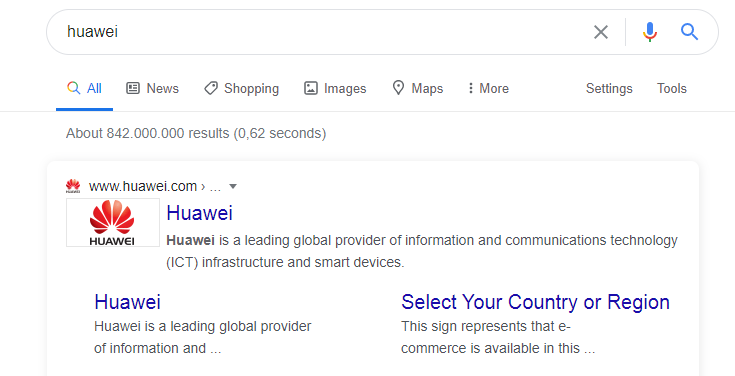
- Navigational keywords — We usually use these types of keywords when we know where we want to go, but we don’t know the exact address of the site. Navigation searches contain those several times the brand name (Samsung, Amazon, etc.)
- Informational keywords — The most used keywords online are information. People use these words when they inform about something and not when they buy something. Therefore, these words do not help us to attract people ready to buy. They help us get into the first time contact with potential customers. For example, there is little chance of someone searching on Google How to become a photographer to get to buy a camera.
But it is very likely to become interested in buying one camera for beginners after reading an article to it helps him take the first steps towards becoming a photographer.
Examples of informational keywords: What is it..; Ways you can..; How to…
- Commercial or “investigative” keywords — Commercial keywords are right on the border between searches informational and transactional. When we use these types of keywords neither we still want to buy, but we don’t just inform ourselves curiosity.
Examples of commercial keywords: review, model X vs. model Y, opinions.
Let’s continue the story of our future photographer. After reading that article in which he is guided to his new career, he is going to find out more about photographed for beginners.
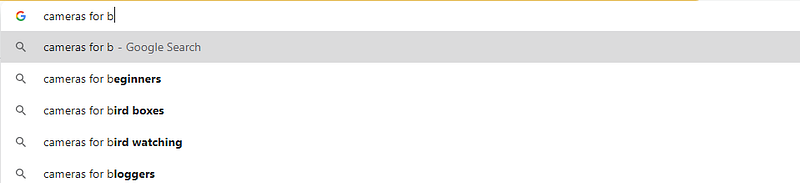
After studying several models, he narrowed the search to two cameras. Now he would like to know the advantages and disadvantages of both.
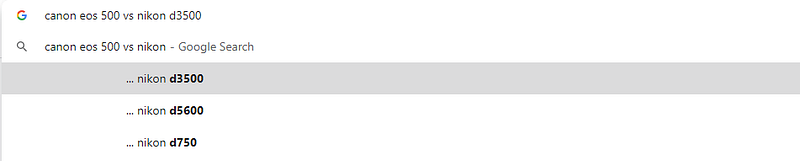
Once you’ve decided on a device, you’ll probably want to ensure that he makes a good decision and will seek to find out the opinions of those who they also purchased such a model.
Again, he’s not determined to buy yet. But it’s very close to making a final decision and the keywords you use reflect this thing.
- Transactional keywords — We use these keywords when we are ready to buy. Often, these keywords are very specific and include product name + keywords transactional such as buy.., best price for.., discount.
To continue the example of earlier, finally, our future photographed has decided on a model and must be purchased at its best.
How to do keyword research or how do you choose the right keywords?
To choose the best keywords you need to take into account the following aspects:
- the number of monthly searches;
- competition;
- what language do people use;
- user intention. Let’s take a concrete example. You recently opened a house construction company. You have created a website and you want people to reach the presentation page of the services to request an offer. You also have a blog from which you send people to the service pages. So for this, you need to do SEO optimization.
Step 1: Identify people’s problems with the services you provide
This step is crucial in SEO. Once you identify people’s challenges, you can find the right keywords to match their searches. This part is very much about intuition and research. Unfortunately, there is no magic formula in 3 simple steps. The easiest way is to think about what problems they can have greeted people when they when building a house.
So the questions you can answer are documents required for the construction of a house, the price of an architect’s services, etc.
Step 2: Find out what words people use when looking for answers
For this step, you will need to use intuition, Google Suggest, and Keyword Planner.
Step 3: Choose a keyword according to competition, searches, and resources
But first, let’s see how we can tell if it exists competition or not.
1. What kind of sites are on the first page?
For example, if you type your keyword and first in Google sites are Amazon, Aliexpress, and other big sites, it’s very likely you need a lot of resources to compete with them.
2. How many external links does your competition have?
The links act as votes of confidence in SEO. The more links a site has (from other sites), the more it has it is more difficult to overcome in results.
Where we use keywords:
- Title;
- Content;
- Meta description;
- Headings (subtitles);
- Picture names.
Attention! Do not repeat keywords in excess! To see if you can use too much or too before, there are plugins in WordPress (AllinOneSEO, SEO by Yoast, etc) which makes an analysis of the stories on the page and guides you in everything that can optimize On-Page SEO.
Semantic search
Before it was possible to fill its keyword page and occupy a leading place in the results search. This method is called keyword stuffing. It didn’t matter if those keywords were placed naturally in the text, giving the text fluency or not.
The result: sites that offered no value to searchers something. Today, this is no longer possible. If you do this thing, you will be penalized. Google relies heavily on semantics search. Google no longer shows results strictly based on keywords. He will also take into account USER INTENTION AND SEARCH CONTEXT.
To keep these things in mind when doing a search, Google takes into account several factors such as:
- user location;
- synonyms of words;
- trends related to that search.
For example, if you type “weather today” on Google, you will notice that most of the results will refer to the time of the location from which you write. This is a very clear example that Google takes into account user intention.


