
How to Detoxify Your Brain by Optimizing The Glymphatic System
Our brain’s built in waste disposal facility
Imagine discovering a system within the human body — previously unknown to scientists — as recently as 2012.
That’s when Dr. Maiken Nedergaard, co-director of the University of Rochester Center for Translational Neuromedicine, and her colleagues discovered how our brain removes waste products.
Nedergaard named this newly discovered waste management system; The Glymphatic. This name is derived from glial cells, which hold the system together — glia being Latin for glue. Glial cells protect and insulate neurons, provide metabolic support and remove debris.
Here’s Dr. Nedergaard on considering and discovering the system, “Waste clearance is of central importance to every organ, and there have been long-standing questions about how the brain gets rid of its waste. This work shows that the brain is cleansing itself in a more organized way and on a much larger scale than has been realized previously.”
It’s pretty remarkable when you consider — with all our sophisticated tools to dissect, view, and amplify every anatomical feature — the inner workings of a system completely new to us were recently revealed.
Since these revelations, researchers have compiled studies further illuminating the glymphatic system, and how we can all optimize it.
Improving trash collection
Consider the glymphatic system to be the lymphatic system for your brain. We can appreciate how the lymphatic system fights infection, removes debris, and maintains fluid balance; the glymphatic system is doing much the same for a specific organ.
Like other systems or organs in the body, scientists can study how this one works and what, if anything can help it work better. Science has uncovered certain activities to be beneficial for this system as well.
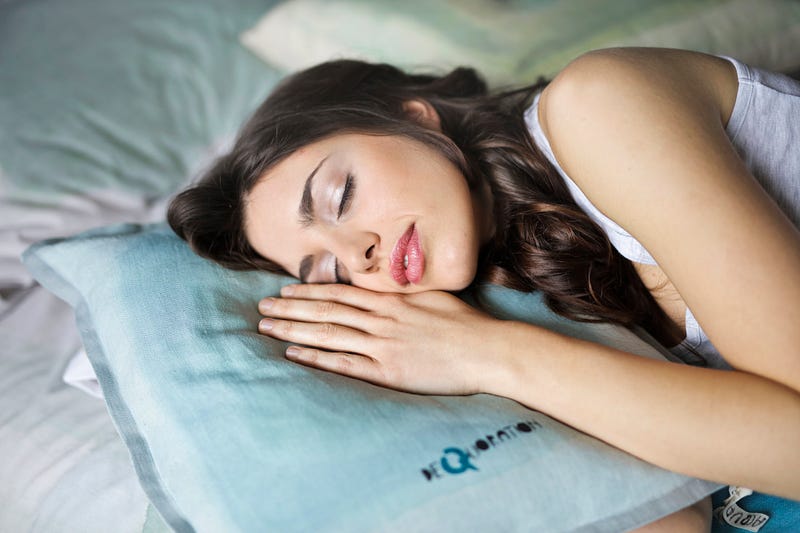
Intermittent fasting and exercise are both known to be beneficial for brain health and the glymphatic system. The glymphatic system is most active in removing debris and cleaning our brain while we sleep. Keeping your bedroom cool — 68 degrees or less — can improve sleep, thereby helping clean our brain. So too will sleeping on your side.
Our body does an incredible job detoxifying on it’s own, building healthy habits simply helps it along.
A ‘cleaner brain’ is a ‘clearer brain’, it doesn’t take a brain surgeon to realize that. Sleep well, it’s good for you.
If you enjoyed this article, and would like to have unrestricted access to every story on Medium, subscribe HERE, a portion of your subscription goes to pay writers, like me, and keeps the site completely ad free!


