
How To Detect An AI Written Article
With the emergence of AI comes the rise of the fake writer
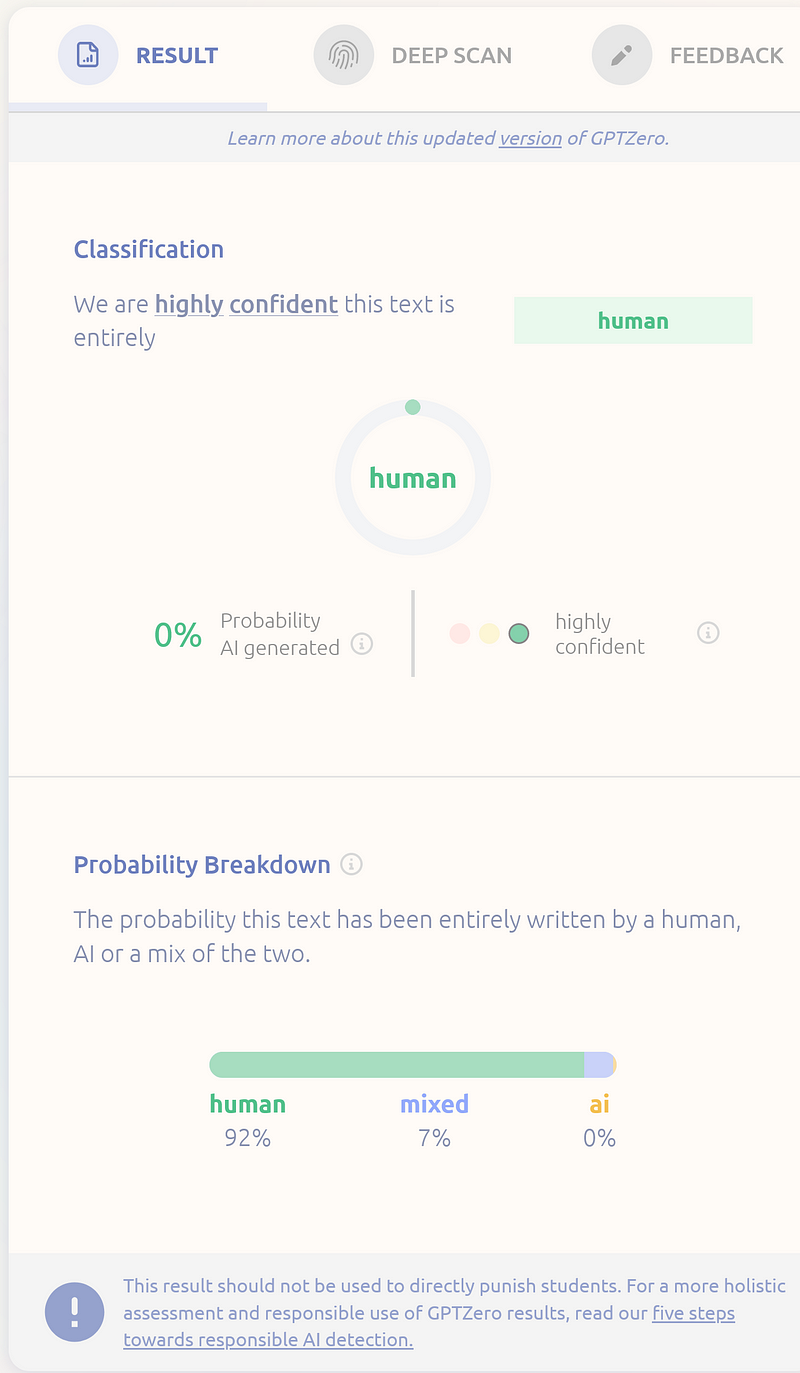
This short snippet was written by AI.
In the Wild West of the internet, a new breed of gunslingers has emerged: AI content creators. These robotic wordsmiths churn out articles, blog posts, and even entire websites at breakneck speed, blurring the lines between human and machine-generated content. But fear not, discerning reader, for we, the Detectives of Discourse, are here to equip you with the tools to sniff out AI-written content like a bloodhound on the trail of a virtual rabbit.
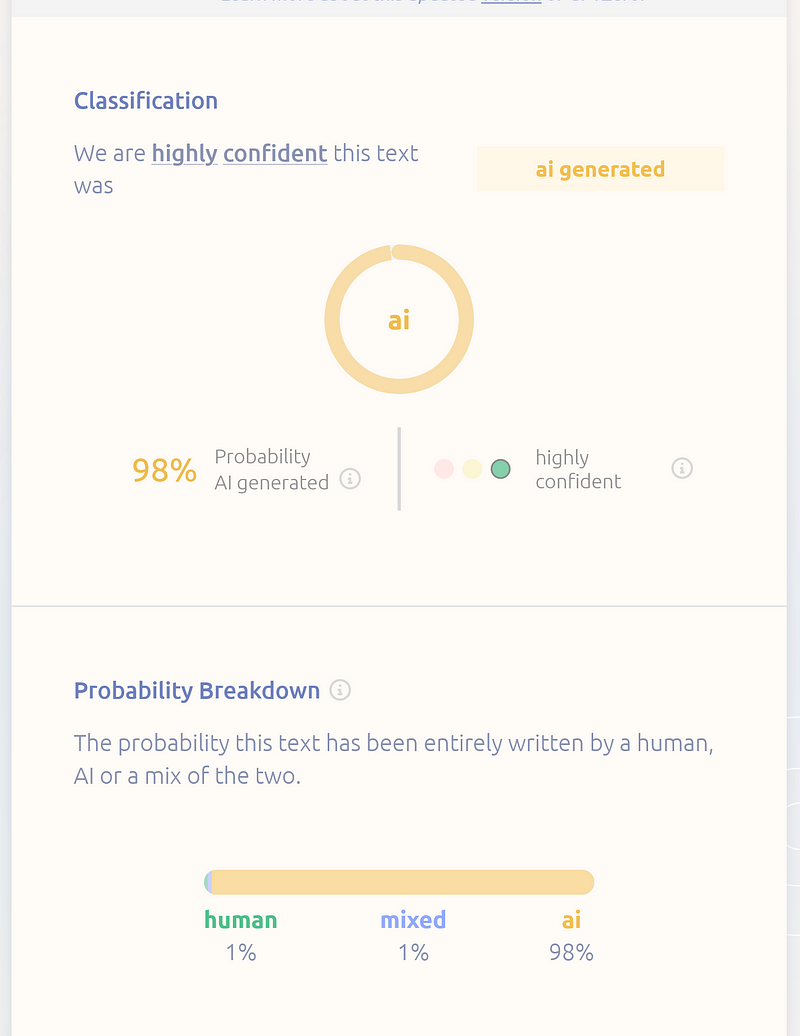
A person writing
AI-created articles, blogs, papers, and even books are becoming more and more of a problem throughout the internet.
Many people are unsure on how to tell if a work was created by AI or a human. In this post, I am going to show you how to tell the difference between the person and the bot.

Depth and originality
One of the first clues to look for is a lack of depth or originality. AI-generated content often gives a generalization of a topic rather than anything with meat in it. I always think that the writing AI bots have been trained on clickbait articles because that is all they can manage to produce!
Overly dramatic
“In the Wild West of the internet, a new breed of gunslingers has emerged”
It’s like the opening line from a very bad B-movie. But the over-dramatic and fancy sentences are a good indication that the piece was not only written by AI, but also it was given the all clear by someone that knows nothing about writing.
I can just imagine the creator saying, “WOW, that looks amazing. I think I will write my own story”
It was a cold and windy night. A bang awoke him, or was he still asleep and this was all a dream?
Repetition
Another AI problem is repetitive language and keyword stuffing. AI, bless its cold heart, can go a bit crazy with the keywords, spraying rather than just sprinkling the article with the same words over and over again.
Example:
The AI will keep doing this. If you want the AI to work for you the AI has to be given the correct prompt. Then the AI will work for you.
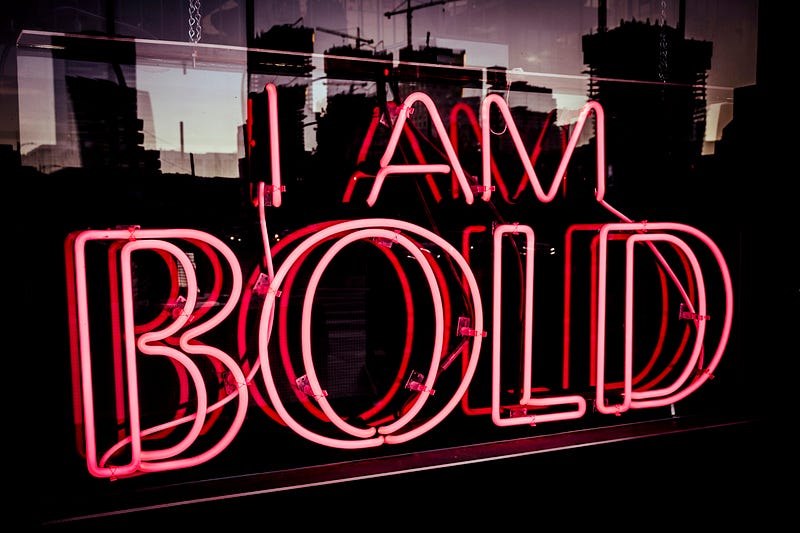
Bold as brass
Talking of keywords, artificial intelligence just loves using the bold feature when it writes to highlight SEO long-tailed keywords that the person who wrote the prompt asked for. So if you see a lot of random bold text such as these, it’s another of those tracking signs that the article was written by AI.
A set formula
AI writing often follows a predictable, formulaic structure. From lists to bullet points.
Often lists are written as #5 The Formula. I have used this format myself until I saw that the AI uses it!
“In conclusion…” that signals the end of the robotic rodeo. Not always, as it is a common enough ending to an article that many writers use. But you’ll definitely be thinking about this as you get to the end of the post because of all the other clues!
Grammatical funk
While AI has gotten pretty good at mimicking human language, it still has a few problems with sentence structures, awkward phrasing, and basic grammar. Often this shows up as an odd word we don’t normally use for something or a basic grammar mistake that a writer would never make.

The Ghost in the Machine
I think most people would agree that AI struggles to capture the human experience and emotion. It feels cold and impersonal. Like reading a textbook written by someone who hates the subject and just wants to get it over and done with. Informative, but with no passion.
AI detectors
No, they are not 100% but they are pretty good. If you think an article or blog post has been written by AI, run it through one of the free detectors out there. You will get a pretty good indication on top of your own feeling that the post was written by a machine and not a person.
The end
I will let the AI finish this up for me!
Now, go forth and apply your newfound detective skills to the blogosphere! Remember, critical thinking and a healthy dose of skepticism are your best tools in this digital gold rush. And who knows, maybe you’ll even stumble upon a hidden gem of human-written content along the way — a true oasis in the desert of AI-generated mediocrity.
Thanks so much for reading.
Paul


