
How To Create Your Own Diet That Actually Works.
3 Steps Awareness Approach That Will Teach You Stuff.
Do you struggle with food choices? Do you constantly feel that the food you eat is not ideal for you? You want to lose some fats, but don’t know where to start. You have tried some diets, but none of them worked. Perhaps you are wondering if you should go to a nutritionist or a dietitian for a custom diet plan? But it is a bit expensive, or you just feel embarrassed to talk about food with a professional.
I think I've got something for you.
Before we start though, I want to mention that there is no better way than actually being tested, so you know most accurately which foods are best for your body. If you have the chance to see a professional and get advice, do not hesitate. However, if not, this concept is perfect for you.
In fact, this concept is ideal for everyone. This concept aims to teach you how to read your body’s signals and make the right choices, so your body can function at its best.
See, there is no perfect diet. And there is no universal diet as well. In fact, the whole understanding around the word diet is so wrong. When we talk about diet, we almost always refer to restrictions, portions, measurements, and zero freedom of choice.
What if I tell you that everybody is on a diet? Diet is simply the way we eat.
You like beans, but no lentils. So, your diet will include beans, but not lentils. You like zucchini but hate mushrooms. Then, your diet will include zucchini and not mushrooms.
Diet is the food choices you make. Diet is the food you eat and the food you do not. Diet is the habits you have around food. You create your own diet, according to your own taste and preferences. And this results in a certain outcome.
Sometimes we only eat according to our taste and forget that some foods are not ideal for our body. Those foods slowly turn into an addiction and before we realize it, we end up following a really bad and unhealthy diet.
We don’t realize and we decide hopefully to seek help. We pay a lot of money to a dietitian, to tell us what we don’t want to hear. “Cut the potato chips and the bred” for instance. Oh no! We must follow a diet, otherwise, we won’t feel and look good.
There is an easier way to approach that change and in theory, create your own diet. And it is very simple. Let’s get to it.
The whole process is going to last at least a month or 4 weeks to be more precise, and you will have to do 3 things.
Step 1: Record what you eat.
Ruffly. Don’t be fanatic and write everything in grams. Just simply write down the types of foods you eat and riffle the time.
For example:
Breakfast: muffin with coffee
Lunch: 2 slices of pizza.
Snack: chocolate bar and another coffee.
Dinner: curry chicken with rice.
Simple, right? Do this for 2 weeks and do not change anything. Just do you. Why?
This is going to give you a basic understanding of how you tend to eat. This step is very important, as you must know your baseline. You must be aware of your eating habits. How can you stop drinking 4 coffees per day if you are not even aware of the fact that you do drink 4 coffees per day? Take your time, be honest with yourself, and get to know yourself.
Step 2: Time to change.
Very simple. For the next 2 weeks, replace every processed food with whole food. Every long shelf-life food with fresh food that must be cooked. Use whatever you want. Whatever you like and cook it the way you want.
The goal here is to decrease sugar, salt, and toxins intake. And replace those incomplete meals with quality ones, full of essential nutrients.
Here is a quick guide you can use when you go to do groceries.
Separate the metals into proteins carbohydrates, fats, and fibers.
Make sure you prioritize protein intake.
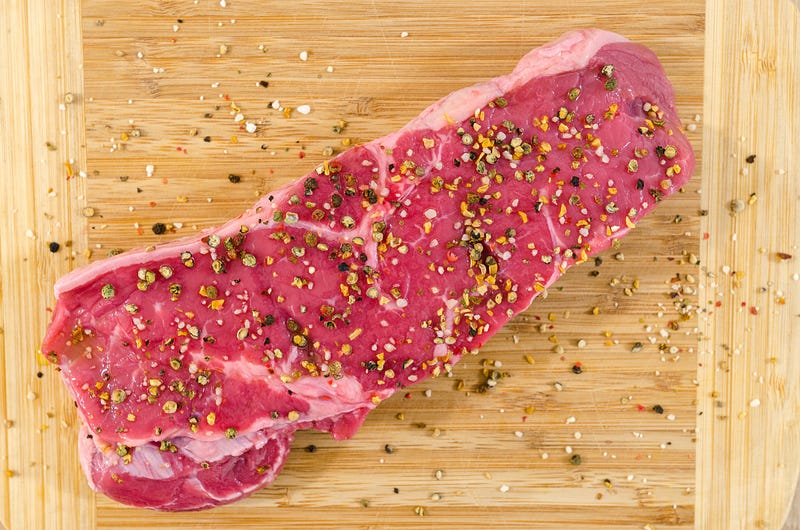
It is the building block of all tissues in the body and it is responsible for a lot of functions, such as DNA replications, oxygen transportation, etc…
Meat: Row, unprocessed meat, that requires to be cooked. As close as possible to its original form. Ex: instead of chicken nuggets — chicken breast
Chicken / Rabbit / Turkey / Duck / Pork / Beef / Lamb / Goat / Organ meat / Fish / See food / etc…
Animal products: Avoid flavored or products with added sugar. Ex: instead of chocolate milk — plain whole milk. (if you are lactose intolerant, I advise you to use alternative plant source milk, such as oat, almond or soy milk, instead of lactose-free cow milk).
Eggs / Milk / Greek Yogurt (plain) / Quark yogurt (plain)/ Cheese/ Cottage cheese / Skyr etc…
Plant-based protein: Stick to natural sources such as raw nuts, beans, and legumes. Stuff like vegan sausage and impossible burgers are not a good option.
Soybeans / Beans / Legumes / Edamame / Quinoa / Nuts / Nut butters / Seeds (chia, flax, hemp) / soy or almond milk etc…
Eat healthy fats.
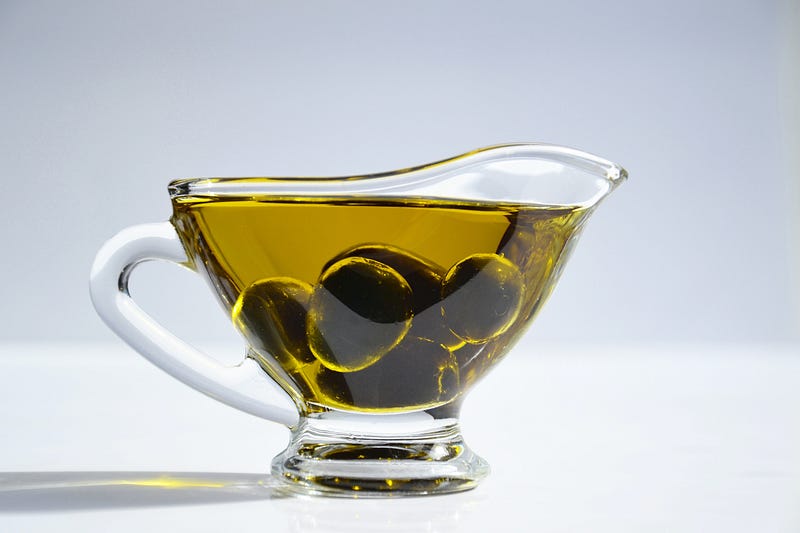
Quality fats are the opposite of bad for your health. Eat a healthy amount of them to ensure sufficient hormone production and vitamin digestion.
Unsaturated fats: They are usually liquid at room temperature (the oils only), the pure the source the better. Use cold press oils, not refined once.
Monounsaturated:
Olive, canola, peanut, and sesame oil / Avocados Olives / Nuts / Peanut butter, etc…
Polyunsaturated:
Sunflower, pumpkin seeds / Flax seed / Walnuts / Fatty fish / Soybean / Soy milk / Tofu etc…
Saturated: Solid at room temperature, usually in the meat products:
Red meat / Chicken skin / Whole fat dairy products / Butter / lard
Eat enough fibers.
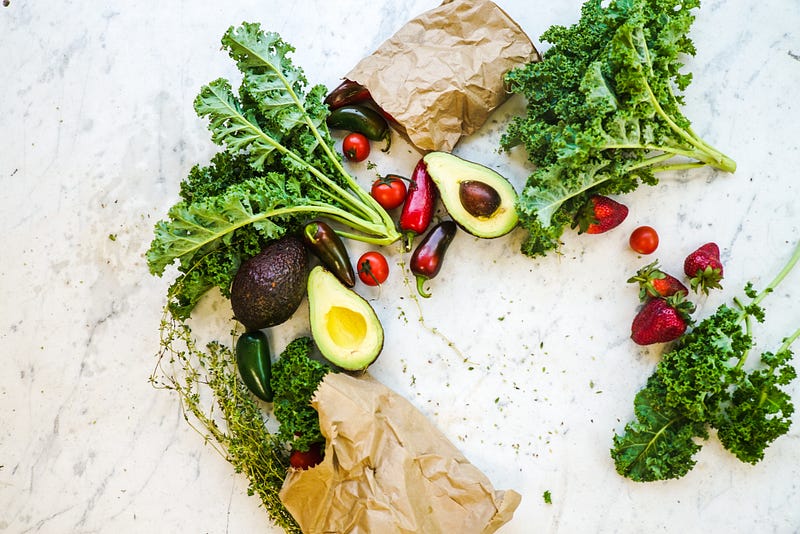
Fibers are highly important for optimal digestion and gut health. Make sure you have enough vegetables in your meals.
Fresh or frozen green vegetables, berries, seeds, and nuts.
Broccoli / Cauliflower / Lettuce / Spinach / Kale / Asparagus / Blueberries / Strawberries / Raspberries / Chia seeds / Pistachio / Walnuts / Sunflower seeds etc..
Fill up with carbohydrates.
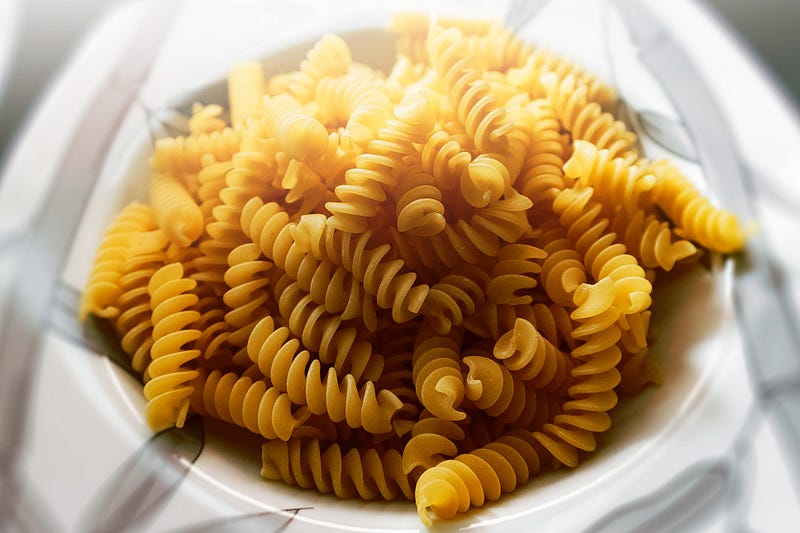
If you are still hungry after you have prioritized all the above, you can add some healthy carbs to your meals. They are not bad for your health if they come from natural sources and are consumed in moderation.
Use natural, unprocessed sources that require cooking. Bread is an exception. Try to use wholemeal or with more seeds for better absorption or if you have any gluten intolerance.
Rice / Potatoes / Sweet Potatoes / Oats / Wholemeal Bread / Wholemeal Pasta / Quinoa / Fruits: bananas, apples , pears, oranges, tangerines, etc…
Why do we try to change the food that we normally eat? You will understand in the next step.
Step 3: The feeling track.
Throughout those 4 weeks, it is very important to do one magic thing that is going to change absolutely everything. It is crucial for rewiring your brain and making it work for you. Are you ready?
Write down how you feel. That’s right. On a piece of paper, on your phone, or a computer, wherever you like, ideally at the end of the day, write down how you felt during the day. How were your energy levels? How did you sleep? How is your mood? How is your digestion? Do you have any pain?
Here is an example you can use as a guide, creating your own journal. However, if you like that one, you can download it for free from my website. Fitlifeblueprints.com
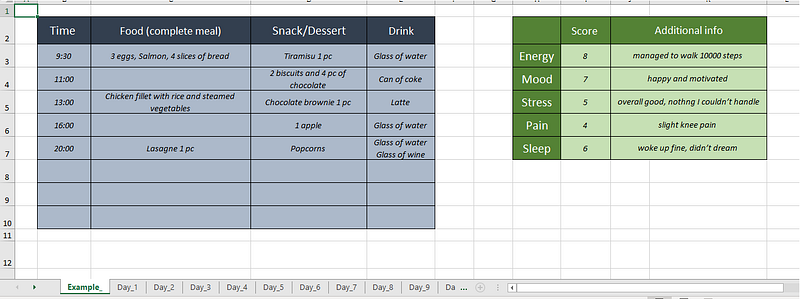
The goal here is to gain awareness of how your body works regarding food. To be able to cross-reference the two tracking sheets and assess how your body felt when you ate the way you normally eat, and when you ate the whole food only.
This is going to teach you which foods are preferred by your body. which foods your body can and struggle to digest. It is going to spark your curiosity. I guarantee you will start to read more about different foods, macronutrients, how they affect the body, and so on. Ultimately you will adjust the way you eat according to your body needs and create your own diet, which you will follow, not because you must, but because you want to.
So, there you have it. If we are to summarize, you need 4 weeks to gain awareness. 4 weeks you track what you eat and how you feel. First 2 weeks you eat the way you always do, and in the next 2, you focus on eating quality food.
You can call it an experiment if you want. Or an attempt to change your lifestyle. The goal is to learn how your body prefers to eat and to show your brain that taste is not the only reason to eat.


