
How to Create Creativity
Searching for Tanit’s tomb.
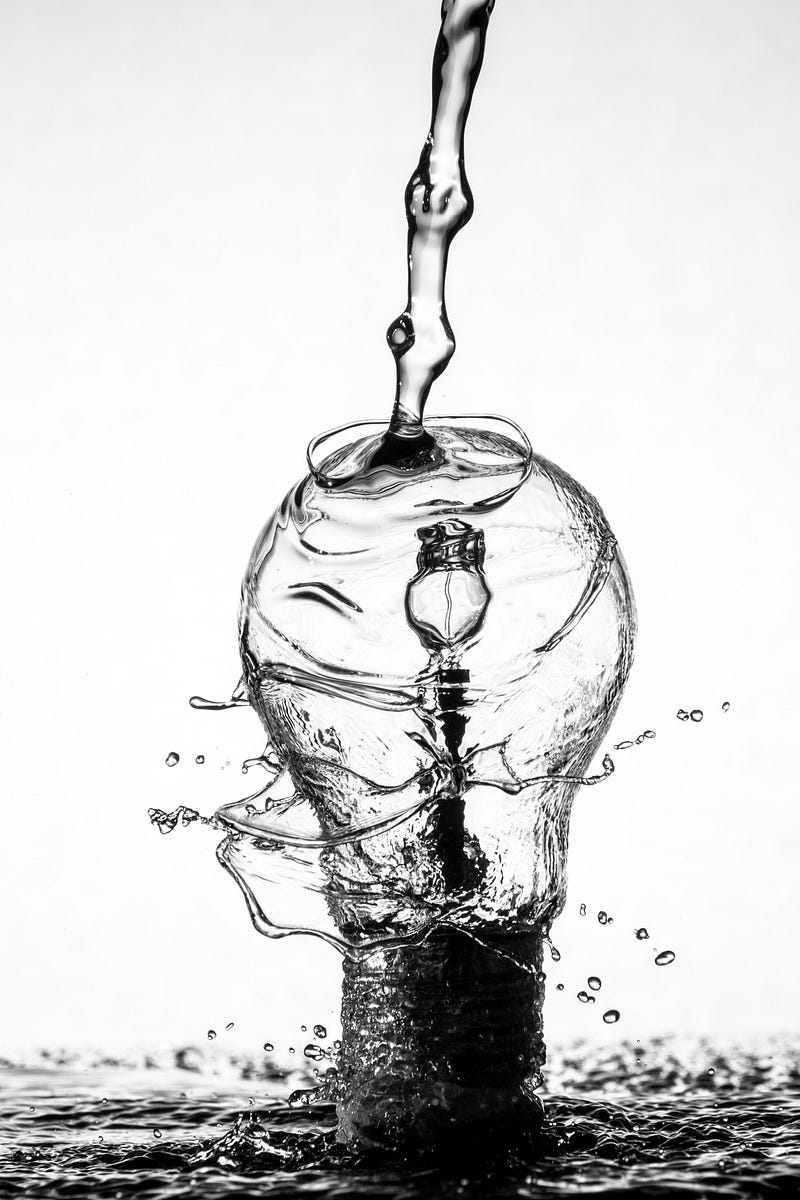
Creativity is a human need that doesn’t get the attention it deserves.
It’s something everybody can cultivate, even if it comes easier to some.
It takes many guises. It’s not only writing a novel, painting a picture, or designing a house.
For some, it can manifest as an in-the-moment decision on a sports field.
Creativity can be difficult to reach in stifling corporate jobs prioritising ‘what has worked before’. And an adherence to processes that you shouldn’t waver from.
Every once in a while, an employee can make a spur-of-the-moment dash of creativity, probably unnoticed due to how it may be frowned upon, that leaves them feeling valuable. But only in themselves of course.
It’s difficult to be creative as an employee.
Creativity through conversation.
Organising and planning come more naturally to me.
But one of the reasons I left IT and finance was for the utter lack of creative freedom I faced daily.
Don’t get me wrong, there’s still an awful lot of structure now too. Following NHS care plan guidance, trying to achieve metrics that turn a dashboard figure from bright red to green. The need to stick rigidly to times decided by the day’s allocation. Unless of course, I’m the one creating said allocation.
But, the creativity is in the interactions. A mental health nurse’s main tool, I have learned, is themselves.
I can be creative in my conversations with patients.
Everyone reacts to patient aggression, despair, or euthymia, in different ways. It’s a constant trial and error to see what works.
Creativity, in this guise, is learning as you go.
I mention this because it’s a method everyone has access to and the ability to cultivate, all the time. Unless you are the Unabomber.
What’s damn clear about such conversations is it requires one to be in the moment completely. Something difficult to achieve.
You have to create creativity.
The most empowering philosophical lesson I learned this year is the idea of living by design, not default.
This supports the idea that creativity is embedded in real life.
Creativity is intrinsically linked to agency — another topic I harp on about.
You have to design the conditions for creativity to emerge. It doesn’t just happen.
This often means doing nothing, something easier said than done these days with our endless distractions.
You are beginning to see a theme. How focus is the modern superpower.
This is my weakness — providing space in the day for idle time. Some people go for walks, others sit still.
This was Quentin Tarantino’s old creative process:
He would go to a bar, “order some shit, drink a lot of coffee, and be there for hours with all my shit laid out all night long.”
Then he made a change while working on Inglourious Basterds.
He shifted his writing to the daytime. But this wasn’t even the most important change, what came next was idle time:
“What I do is I go into my pool and just kind of float around in the water…And then a lot of shit will come to me. Literally, a lot of ideas will just come to me. Then I get out and make little notes on those ideas I came up with while [he pauses, trying to think of the word] meditating — it actually is meditating. And then that’s the next day’s work.” — Quentin Tarantino
Expose your throat more.
When faced with a mountain lion, I’ve read that one should hunch up their shoulders to protect their throat, prepare to box, and pray.
But we don’t face mountain lions every second of every day.
I said at the start that creativity is a need.
Create art, whatever yours is.
Mine is words.
It breaks up the bad times and makes them easier to pass through your throat.
You play your favorite songs, read your favorite books, and write your favourite words until you’ve memorised every lyric, every quote, every line.
You throw on some Sleep Token and walk the streets of London at 2 AM, a few Lost Mary’s warming your lungs, and eventually, you let go.
Creativity is a mood.
Drop your shoulders and feel the cool air bite into your throat like a mountain lion or a mistress or a feeling you’ve struggled to recognise until now — Cole Schafer


