
How to Create AI-Generated Prompts Worthy of a Pro Graphic Designer
A Step-by-Step Guide to Crafting Effective AI Design Prompts

Please take a moment to read my content; it’s completely free for members and supports my read ratio if you spend at least 30 seconds on it. If you find that you enjoy what I create, I invite you to subscribe here to get new content directly in your email. Thank you for being a part of this wonderful community. I hope you find my work enjoyable.
Introduction
Graphic designers are constantly seeking innovative ways to produce unique and captivating designs. AI-generated prompts are an excellent tool for graphic designers and novices alike to explore new creative territories, save time, and enhance their design projects. In this article, I will discuss the world of AI-generated prompts and share tips on how to create prompts that will elevate your designs to a professional level.
Understanding AI-Generated Prompts
AI-generated prompts are essentially creative suggestions generated by artificial intelligence for use in various design projects. These prompts can range from simple concepts to detailed descriptions of a desired image or design. By using AI-generated prompts, graphic designers and you can quickly generate fresh ideas and explore new creative avenues.
Choosing the Right AI Tool for Your Needs
There are numerous AI-powered tools available for those interested in graphic design to create AI-generated prompts. Some of the most popular options include DALL-E, Midjourney, and Stable Diffusion. You can also use ChatGPT Plus, Microsoft Copilot, and Google Gemini but as of the writing of this article, Google has paused the ability to generate images of people. In my examples I’m using DALL-E. It’s essential to research and experiment with different tools to find the one that best suits your design needs and preferences.
Crafting Effective Prompts
When creating AI-generated prompts, it’s helpful to be specific and descriptive. This will give the AI a better understanding of your desired design outcome. Use relevant keywords and phrases to ensure that the AI generates prompts that align with your project goals. Avoid using ambiguous or vague language, as this can result in less accurate and less effective prompts.
Combining Prompts for Unique Designs
One of the most exciting aspects of using AI-generated prompts is the ability to combine different prompts to create a unique design. Experiment with various combinations of prompts to discover new and unexpected design possibilities. This can lead to innovative and original designs that set your work apart from the competition.
Refining Your Prompts for Professional Results
As you work with AI-generated prompts, you’ll likely find that some prompts are more effective than others. Take note of the prompts that yield the best results and use them as a foundation for future designs. Over time, you’ll develop a collection of high-quality prompts that can be used to create professional-level designs consistently. Also, remember to follow me, and subscribe to my email list (details at end of article) to learn more about AI prompting.
Examples of AI-Generated Prompts for Pro Graphic Design
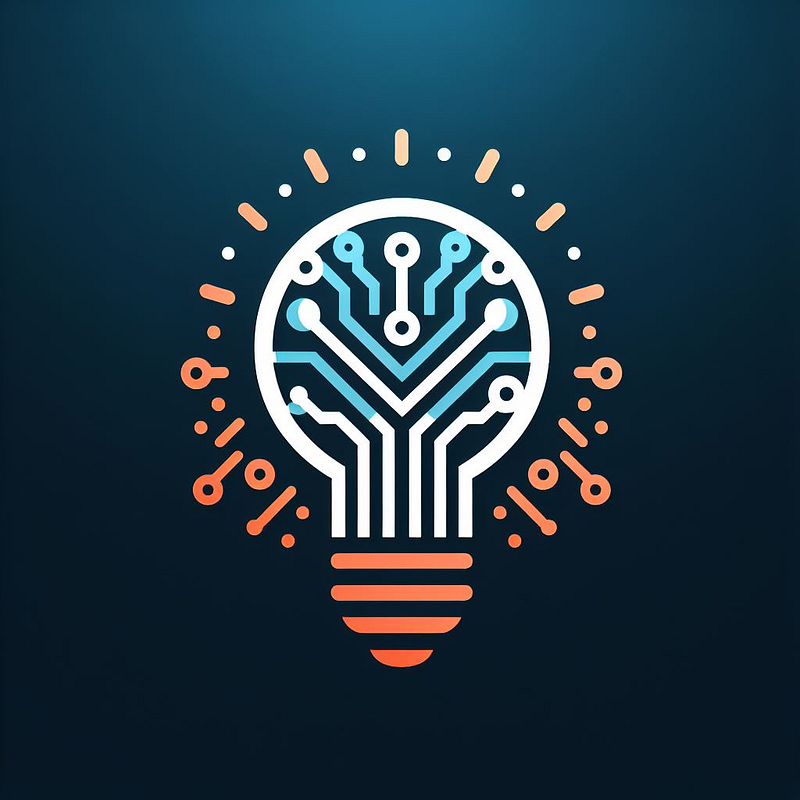
Prompt: “Create a logo for a tech startup that combines elements of a circuit board and a lightbulb, representing innovation and creativity. Use a minimalist and modern design style.”
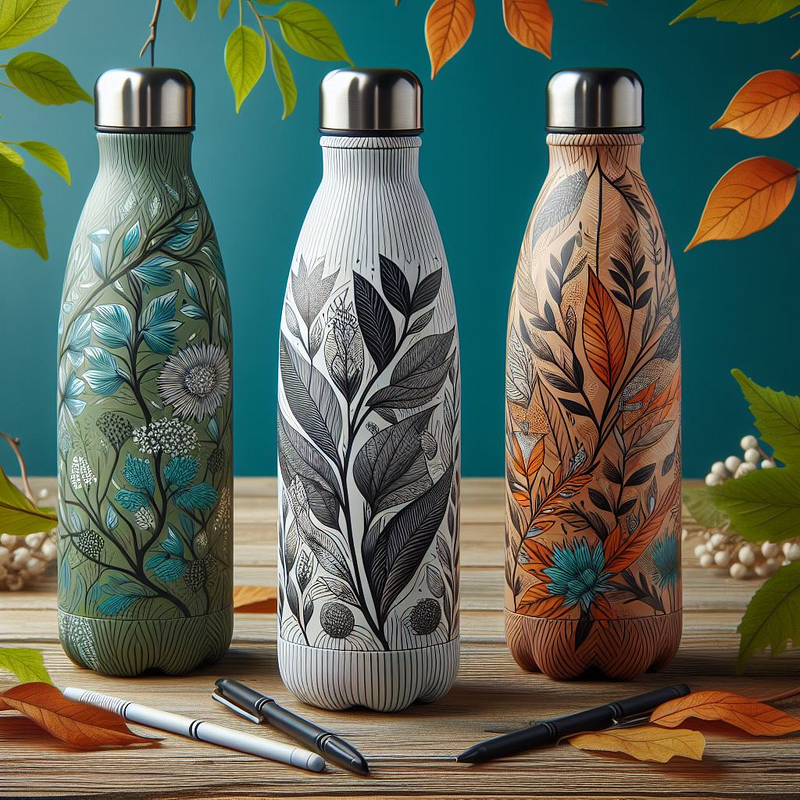
Prompt: “Design a mockup for a new line of eco-friendly, reusable water bottles featuring nature-inspired patterns and a bold, eye-catching colour scheme.”
AI Response:
Prompt: “Develop a concept for a rebranding campaign of a fashion brand, focusing on a fusion of vintage and contemporary aesthetics, with a strong emphasis on bold typography and vibrant colours.”
AI Response: Let’s dive into creating an exciting rebranding campaign for our fashion brand, blending the best of vintage and contemporary styles. Our goal is to evoke nostalgia while staying fresh and relevant. Here’s our concept:
Brand Name: RetroVibe
Tagline: “Where Timeless Meets Trendsetting”
Visual Identity:
Logo
- Our logo will be a harmonious blend of retro elements and modern design. Think of a stylized, elegant font for the brand name, with a subtle nod to vintage script typography. The lettering could have a slightly distressed texture, reminiscent of old signage.
- Incorporate a contemporary icon or symbol alongside the text. Perhaps a stylized hourglass merging with a pixelated clock face, symbolizing the fusion of eras.
Color Palette:
- Bold and Vibrant: Rich jewel tones like emerald green, sapphire blue, and ruby red.
- Neutral Base: Cream or off-white to balance the vibrancy.
- Accent Color: A pop of neon yellow or electric pink for a modern twist.
Typography:
- Pair a classic serif font (e.g., Baskerville or Garamond) with a clean sans-serif (e.g., Montserrat or Raleway).
- Use the serif font for headlines and the sans-serif for body text.
- Experiment with oversized, layered typography for impact.
Campaign Imagery:
Photoshoots:
- Combine vintage-inspired clothing with contemporary accessories.
- Shoot in iconic locations that bridge the past and present (e.g., historic theatres, retro diners, urban street corners).
- Models should exude confidence, capturing both elegance and edginess.
Graphics:
- Create digital collages featuring juxtaposed elements: old film reels, vinyl records, rotary phones, and pixelated screens.
- Overlay these with bold, abstract shapes in our brand colors.
- Use grainy filters to evoke nostalgia.
- Incorporate vintage patterns (e.g., art deco, paisley) into backgrounds.
Social Media Campaign:
Instagram:
- Share “Then and Now” posts: Side-by-side images of vintage fashion icons and our modern interpretations.
- Host a weekly “RetroVibe Challenge”: Encourage followers to style their outfits blending old and new pieces.
- Use Instagram Stories to showcase behind-the-scenes glimpses of our design process.
Pinterest:
- Curate boards with vintage fashion inspiration, color palettes, and typography examples.
- Collaborate with influencers to create trend boards that merge retro and contemporary looks.
Launch Event:
Venue:
- Choose a historic venue with architectural significance.
- Decorate with a mix of antique furniture and futuristic installations.
Guest List:
- Invite fashion bloggers, influencers, and local celebrities.
- Encourage them to dress in RetroVibe-inspired outfits.
Activities:
- Live jazz band playing modern remixes of classic tunes.
- Pop-up vintage market where guests can shop curated pieces.
- Interactive photo booths with vintage filters.
Packaging:
Shopping Bags:
- Craft paper bags with our logo stamped in metallic ink.
- Include a retro-style thank-you note inside.
Gift Boxes:
- Elegant matte black boxes with a glossy, neon-colored ribbon.
- Enclose a branded cassette tape (yes, a nod to the ’80s) containing a curated playlist of timeless and contemporary tracks.
Remember, RetroVibe isn’t just a brand — it’s an experience that bridges eras, celebrates individuality, and invites everyone to dance to their own rhythm. Let’s make it unforgettable! 🌟🕺💃
Prompt: “Generate ideas for a new logo and visual identity for a non-profit organization that focuses on ocean conservation, using marine life and ocean-inspired elements in a clean, professional design.”
AI Response:
Designing a logo and visual identity for an ocean conservation non-profit organization is a wonderful endeavour. Let’s create something that captures the essence of marine life, the vastness of the ocean, and the organization’s commitment to preserving our seas. Here are some ideas to inspire your design:
Whale Tail Icon:
- A stylized whale tail can symbolize the strength and grace of these majestic creatures. Use clean lines and subtle curves to create an elegant and recognizable icon.
- Colors: Deep ocean blues or turquoise gradients.
Coral Reef Silhouette:
- Depict a coral reef with intricate details. Incorporate coral shapes, fish, and other marine organisms. This design emphasizes biodiversity and the interconnectedness of ocean life.
- Colours: Coral pinks, blues, and greens.
Wave and Sun Symbol:
- Combine a wave crest with a rising sun. This represents the ocean’s power, renewal, and the organization’s positive impact.
- Colours: Gradient from deep blue to warm orange.
Seahorse Emblem:
- Seahorses are unique and delicate creatures. Use their shape as a central emblem, surrounded by water droplets or waves.
- Colours: Earthy tones or vibrant blues.
Sailboat Compass:
- A sailboat compass rose can evoke exploration, direction, and purpose. Incorporate ocean waves or fish motifs around it.
- Colours: Nautical blues and whites.
Turtle Shell Pattern:
- Create a geometric pattern inspired by turtle shells. It represents resilience, protection, and longevity.
- Colours: Earth tones or oceanic hues.
Anchored Ship Wheel:
- Combine an anchor with a ship wheel. This symbolizes stability, navigation, and commitment to ocean conservation.
- Colours: Navy blue and metallic accents.
Dolphin Jumping Through a Ring:
- Depict a dolphin leaping through a circular frame. The ring can represent unity and protection.
- Colours: Aquatic blues and silver.
Abstract Ocean Currents:
- Use flowing lines to represent ocean currents. This design emphasizes movement, change, and the organization’s dynamic approach.
- Colors: Gradient blues or teal.
Minimalist Seashell:
- A simple seashell icon can evoke tranquillity, purity, and the ocean’s hidden treasures.
- Colours: Soft pastels or neutral tones.
Remember, a successful logo should be versatile, scalable, and memorable. Consider how it will look on various platforms (websites, merchandise, social media) and ensure it aligns with the organization’s mission. Good luck with your creative process! 🌊🐠🌟
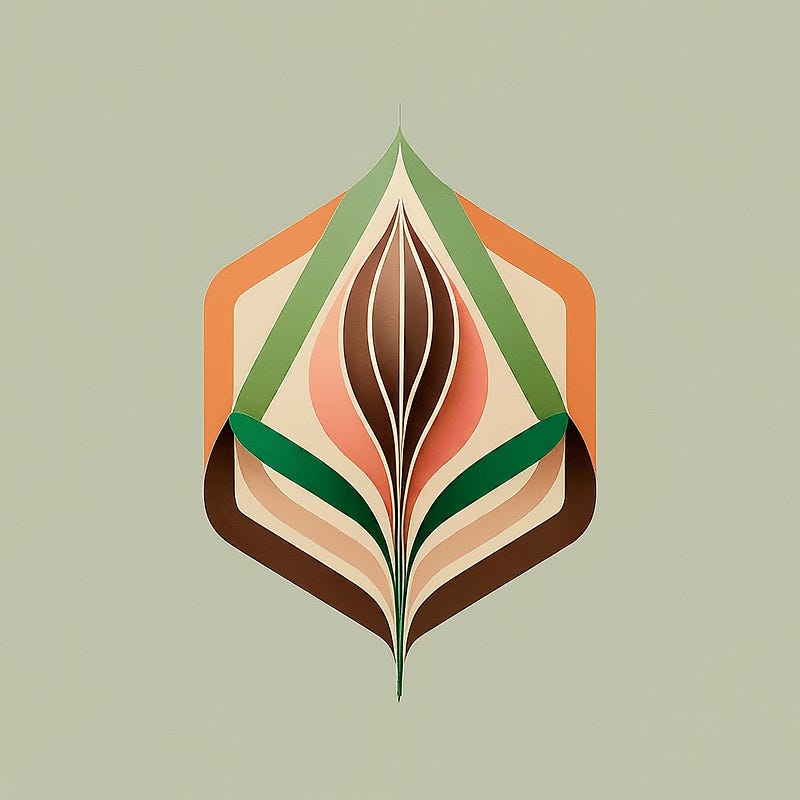
Prompt: “Create a logo and branding concept for a new line of vegan, organic skincare products, featuring a combination of natural and geometric elements, with a colour palette inspired by nature.”
AI Response:
Conclusion
What do you think? Pretty cool right? AI-generated prompts offer a wealth of creative potential for you to become a Graphic Design Pro, allowing you to explore new design ideas, save time, and produce professional-level work.
By understanding the tools available, crafting effective prompts, and experimenting with different combinations, you can elevate your designs and stand out in the competitive world of graphic design.
Once you find an idea or design you like, you can import or recreate it in a program like Adobe Illustrator or Affinity Designer. These tools are used by graphic designers for professional refinement and to achieve precise, desired outputs.
Embrace the power of AI-generated prompts, and unlock your creative potential today!
The Love is Free: Ways to Support
1. Consider clapping as it makes a big difference in reaching more readers! Click once or press and hold the 👏 up to 50 claps.
2. I’d love to connect with you! Follow me on Medium, LinkedIn & X.
3. Take a moment to subscribe to my email list. I respect you and will only share my best work.

This story is published on Generative AI. Connect with us on LinkedIn and follow Zeniteq to stay in the loop with the latest AI stories. Let’s shape the future of AI together!



