
How to Create AI-Generated Images Worthy of Framing
Mastering the Art of Crafting Frame-Ready AI-Generated Masterpieces
Introduction
In the realm of artificial intelligence, one of the most visually compelling advancements has been the development of AI-generated imagery. These images, born from complex algorithms and vast datasets, have the power to mimic artistic styles, visualize concepts, and generate unique compositions. As AI-generated art becomes increasingly popular, individuals seek to create personalized pieces not just for digital display, but also for physical framing. This article aims to guide creators through the process of crafting AI-generated images that transcend the digital realm to become tangible art pieces.
Understanding AI-Generated Imagery
Historical Context
AI-generated images are a product of generative adversarial networks (GANs) and other AI models. They have evolved significantly since their inception, offering a level of realism and artistic flair previously unattainable.
The Technology Behind
AI image generation involves training on large datasets of images, allowing the AI to learn various styles and elements. When a user inputs a prompt, the AI interprets it and creates an image based on its learned knowledge.
Crafting Effective Prompts
The Art of Precision
The key to creating a stunning AI-generated image lies in crafting a detailed and precise prompt. Vague prompts often lead to generic or disjointed results. A good prompt should include:
- Subject Matter: Clearly state what you want to depict. Be it a landscape, a portrait, or an abstract concept.
- Style and Influence: Specify artistic styles or influences. Mention artists or art movements, considering their public domain status.
- Color Scheme: Define your preferred colors, whether vibrant, pastel, or monochromatic.
- Mood and Atmosphere: Describe the desired mood, like serene, chaotic, whimsical, or melancholic.
- Additional Elements: Include any specific elements like time of day, weather, objects, or particular details.
Example Prompt
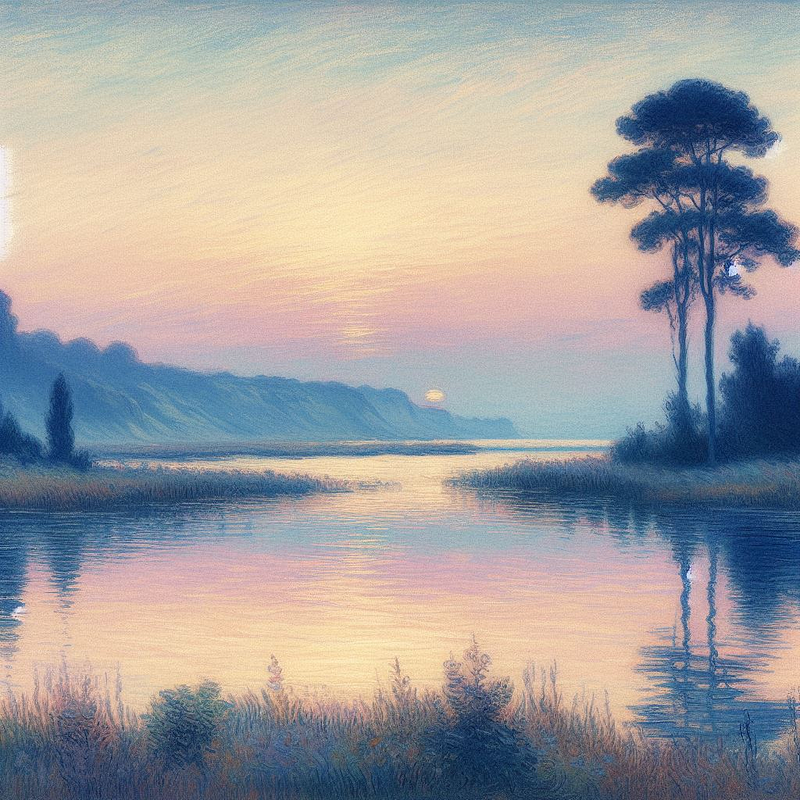
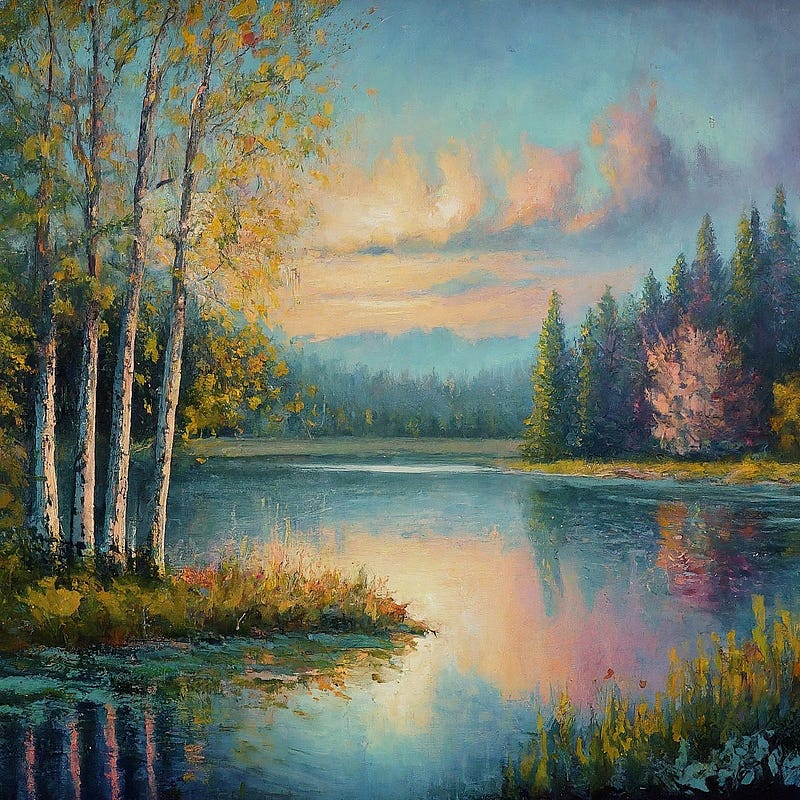
“Create a serene landscape depicting a twilight scene by a lakeside. The style should resemble that of Claude Monet, with a soft pastel color palette. Include subtle reflections in the water and a sense of tranquil solitude.”
Choosing the Right AI Platform
Different AI platforms offer varying degrees of flexibility and control over the image generation process. Some popular ones include ChatGPT 4’s DALL-E, Artbreeder, Microsoft Copilot, Google Gemini,and DeepArt. Research and choose one that aligns with your artistic vision.
Experimentation and Iteration
Experiment with different prompts and variations. AI image generation often requires trial and error to achieve the perfect result.
Translating Digital Art into Physical Form
High-Resolution Generation
For framing, ensure the AI generates a high-resolution image. This guarantees that the printed version retains clarity and detail.
Choosing the Right Printing Method
The printing method significantly impacts the final look of the artwork. Giclée printing, for instance, offers high-quality reproduction and is widely used for fine art printing.
Selecting the Frame
The frame should complement both the artwork and the space where it will be displayed. Consider factors like frame material, matting, and glass type.
Ethical and Legal Considerations
Copyright and Attribution
Understand the copyright implications of AI-generated images. Always credit AI tools and platforms used, and be mindful of using styles or elements that might infringe on existing copyrights. When I provided “Claude Monet” as part of my request to DALL-E, the system declined to generate the image. It appears that these tools are evolving rapidly.
The Debate Around AI Art
There’s an ongoing debate in the art community regarding the legitimacy and ethical implications of AI-generated art. Be aware of these discussions and consider them in your creation and presentation of AI artwork.
Conclusion
Creating AI-generated images worthy of framing is an art in itself. It requires a thoughtful approach to prompt crafting, an understanding of the AI tools available, and attention to detail in the transition from digital to physical form. As AI technology continues to evolve, so too will the opportunities for creating increasingly sophisticated and personalized art. By adhering to these guidelines, creators can produce AI-generated images that not only captivate the eye but also hold a place of honor on any wall.
Picture this…
1. Lend a hand in sharing my story — consider clapping for my story makes a big difference in reaching more readers! Press and hold the 👏
2. I’d love to connect with you! Connect with me on LinkedIn & X.
3. Take a moment to subscribe to my email list to be first to get the most effective AI Prompts — I’m excited to share them with you!

This story is published on Generative AI. Connect with us on LinkedIn and follow Zeniteq to stay in the loop with the latest AI stories. Let’s shape the future of AI together!
