
How to Crack a Data/Business Analyst Interview in 2024

The data and business analyst roles are in high demand in 2024. However, the interview process can be intense with multiple rounds assessing both technical and soft skills. Here are some tips to help you successfully crack that interview and land the analyst job this year:
Understand the Role
Thoroughly research the day-to-day responsibilities, technical skills, and tools required for the specific analyst position you are applying for. Understand how the role fits into the company’s business objectives. This knowledge will help you demonstrate your fit.
Strategies To Get Interview Calls:
- Mindset Game: It’s super important when you want companies to call you for interviews. Don’t let desperation (that feeling of really, really wanting something) take over. Tell yourself that you have amazing skills and a passion for the job. If things get tough and you’re feeling down because of lots of “no’s,” take a break.
- Realistic Expectations: Imagine you’re climbing a ladder. If you’re just starting, don’t aim for the highest step right away. Know how much experience you have and take smaller steps first. Don’t worry; you’ll get there!
- Quality Matters: Take time to write about why you’re perfect for each job and company. Show them why you’re a great fit.
- Adapt to the changing Landscape: Keep in mind that the job search scene can change over time. Figure out which job platforms and methods work best for you based on current trends.

Resume Preparation:
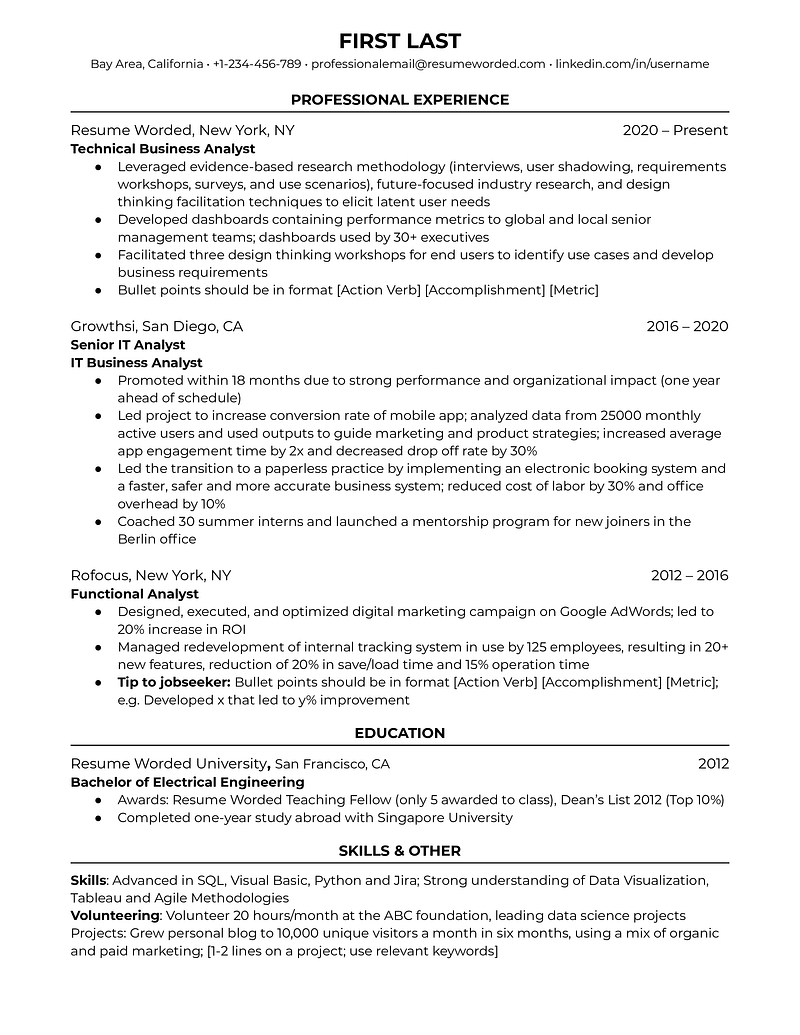
- Keep it Simple: Use plain text and avoid complex designs. Make sure it is easy to read and understand.
- Effective Summary: Include a concise and impactful summary at the beginning of your resume. Use action words and highlight your key skills, tools, and relevant experiences.
- Use Jobscan/ResumeWorded to optimize your LinkedIn, resume, find ATS friendly keywords, also track your job applications.
- Showcase Projects: If you have completed projects during your education, present them as valuable work experience. Focus on the outcomes and present them as products or achievements rather than just college projects.
- Clear Layout: Organize your resume with a clear structure. Start with your education, especially if you are a recent graduate. Highlight your internships and work experiences, showcasing your responsibilities and accomplishments.
- Highlight Skills: Emphasize your relevant skills and experiences, including languages and software proficiencies. Use strong action words to describe your roles and responsibilities.
- Share Details: Be prepared to provide detailed information about your projects when asked during interviews. Demonstrate your confidence and ownership of the work you have done.
Example:
Interviewing Techniques
- Be True and Excited: It’s important to be genuine and passionate during the interview process. Ask yourself if you genuinely want to excel in whichever job role applying for.
- Prepare for the Recruiter Call:
Before that call, make sure you know your resume inside out.
Be ready to talk about it in a clear and simple way. Take notes on how your resume tells your story and be ready for questions about your experience.
Do some homework on the company — know about recent news, changes, and who’s who.
Show that you’re curious about the roles and responsibilities during the call
- Set Clear Expectations: Towards the end of the recruiter call, ask about the next steps and the hiring process timeline. If possible, request a connection with the hiring manager.
- Buckle Up for Multiple Rounds: Expect to go through several rounds of interviews.
- For Data Science roles typically, these rounds may include meetings with the hiring manager, data science team members, and possibly cross-functional stakeholders.
- For Data/Business Analyst roles it can be online assessment, Technical interview rounds and last HR or behavioral interview round.
Showcase Your Technical Prowess
For data analyst roles, be ready to showcase your experience with SQL, Python, R, data visualization tools, statistical methods and machine learning. Have specific examples of analysis and models you have developed ready to discuss.
For business analysts, highlight your business process modeling, requirements gathering, financial analysis, and stakeholder engagement skills. Reference any improvement projects or solutions you have implemented.

Demonstrate Your Soft Skills
Analytical and communication skills are highly valued in these roles. Explain how you simplify and effectively present insights to stakeholders. Share examples of how you have successfully collaborated cross-functionally to drive decisions.
Ask Insightful Questions
Ask smart, thoughtful questions that demonstrate your understanding of the business, interest in the role, and curiosity to continue learning. Inquire about challenges they aim to solve, attributes of high performers, and opportunities for professional development.
Question To ask the Interviewer
After the interview, it’s important to prepare questions to ask the recruiters.
Here are some examples:
- Ideal Candidate: Ask the recruiter to describe the ideal candidate for the role. By gaining insight into their expectations, you can highlight relevant examples and reassure them that you are the right fit.
- Company Situation: Inquire about the company’s current job market situation. Ask about their funding status, headcount, and hiring plans. Showing interest in the company’s growth and stability demonstrates your awareness and engagement.
- Clear Expectations: Seek clarity on the timeline for hearing back from the recruiter. This question can help alleviate anxiety while waiting for a response, especially when dealing with multiple interviews.
- Interview Process: Ask about the number of interview rounds and inquire if the recruiter can provide insights or tips for the upcoming stages. Remember, recruiters want to support your success, so don’t hesitate to ask for guidance.
Showcase the Right Attitude
Convey genuine enthusiasm and passion for the position. Demonstrate intellectual curiosity, ambition, work ethic, and a solutions-focused mindset. Analysts need persistence and creativity to unravel complex problems.

Prepare for Common Interview Questions
Expect questions assessing your communication, stakeholder management, analytical thinking, and problem-solving abilities. Review common data and business analyst interview questions and practice responses ahead of time.
Interview Rounds:
So, you rocked the chat with the hiring manager — awesome job! But guess what? There might be more rounds coming your way. Let’s break it down:
- Panel Interviews: If the hiring manager is impressed with you, they may invite you to meet with a panel of interviewers. This round typically involves multiple team members, including product managers, engineers, designers, and stakeholders. Each panelist may have specific questions related to their area of expertise.
- Behavioral Interviews: Now, let’s dive into your storybook. Behavioral interviews are like chapters in your life. They want to hear about your past adventures, how you tackled tough situations, worked with teams, and made crucial decisions. For example, they might ask, “Tell us about a time when you had to meet a tight deadline and how you handled it.” It’s your chance to showcase your problem-solving skills and decision-making superpowers.
- Culture Fit Interviews: Ever been part of a tight-knit group where everyone clicks? Culture fit interviews aim for that magic connection. Companies want to ensure you’ll blend seamlessly with the team. You might chat with people from different parts of the company to see if your values, communication style, and collaborative spirit align.
Ace the Case Study
Many companies include a case study exercise testing your analytical approach. Clarify the problem, ask thoughtful questions, outline your methodology, and explain your analysis. Articulate any assumptions and the rationale behind your solution.
With preparation and practice, you can successfully interview and land your next data or business analyst role in 2024. Show them a combination of strong technical expertise, business acumen, and soft skills. You’ve got this!
Salary Negotiation
- Pitch your negotiation based on the additional responsibilities and value you bring to the role. Explain how you are excited to take on new challenges and lead teams, highlighting your willingness to go beyond your comfort zone.
- Don’t be afraid to negotiate other aspects besides base compensation, such as stock options, sign-on bonuses, or relocation package and also Paid time offs (PTO).
- Research and be aware of market rates, company policies, and the specific factors that can be negotiated.


