
How To Build Your Cybersecurity Lab Like a Pro
As we progress deeper into the digital age, the need for effective cybersecurity measures continues to grow. It’s no longer just about having antivirus software on your computer or ensuring your password isn’t “123456.” Today, organizations are creating cybersecurity labs and dedicated environments where cybersecurity staff can learn, test, and enhance their ability to defend against cyber threats. This article will guide you through the process of building a cybersecurity lab, including planning, equipment selection, installation, configuration, and maintenance.

I. Understanding the Purpose of a Cybersecurity Lab
A cybersecurity lab serves multiple purposes. It’s a controlled environment where you can study and learn about different cyber threats. It’s a testing ground to try new security tools or configurations and see how they respond to simulated attacks. For organizations, it can also be a place to research and develop new security technologies or strategies.
Before you start building your lab, you should have a clear understanding of its purpose. Will it primarily serve as a training ground for your cybersecurity staff? Will you use it to test new security measures before implementing them company-wide? Or perhaps it’s meant for more in-depth research and development? The purpose will greatly influence your decisions throughout the building process.
II. Necessary Equipment and Software
The specifics of the hardware and software you’ll need can vary depending on the purpose and scale of your lab. However, generally speaking, you’ll need the following:
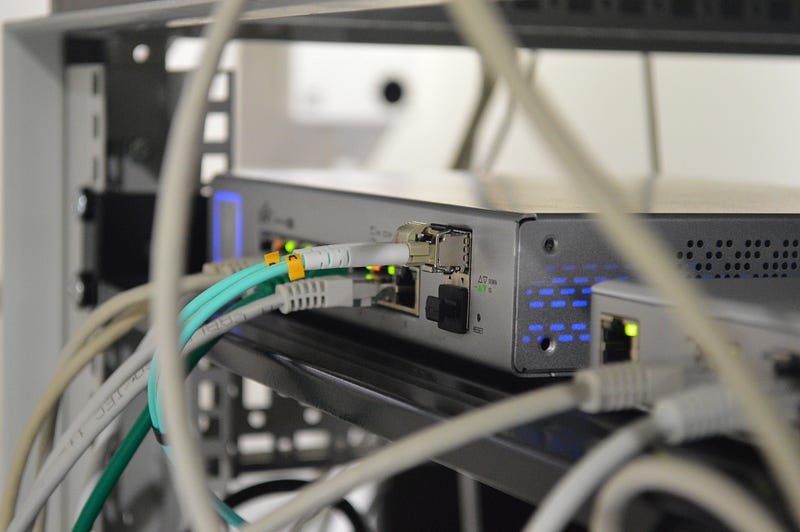
Hardware: At a minimum, you’ll need a computer (or multiple computers), network equipment such as routers and switches, and potentially servers if you’re planning on creating a larger, more robust lab environment.
Software: This can include operating systems, security tools (such as firewalls, intrusion detection systems, or antivirus software), and possibly virtualization software, which allows you to create simulated networks or systems within your lab.
Remember, a cybersecurity lab can be a significant investment, but it doesn’t have to break the bank. Many effective security tools are open source and free to use, and second-hand equipment can often serve just as well as brand-new hardware for lab purposes.
III. Steps to Building a Cybersecurity Lab
Building a cybersecurity lab is a project that requires careful planning and execution. Here’s a step-by-step guide:
- Planning: First, define your lab’s purpose, scope, and size. What are your goals for the lab, and what do you need to achieve them? How much space do you have, and what’s your budget? Answering these questions will help you plan more effectively.
- Procuring Hardware: Based on your plan, start acquiring the necessary hardware. Remember, while having high-end machines can be beneficial, it’s not always necessary. Many cyber defense techniques can be learned and practiced on modest machines.
- Selecting Software: This depends on the nature of the tasks you plan to undertake in the lab. For example, you might need specific operating systems to practice particular defense strategies or particular network tools for training purposes.
- Installation and Configuration: With your hardware and software ready, you can start setting up your lab. Install the necessary software, set up your network, and configure the environment to suit your needs.
- Testing: Before you start using your lab in earnest, it’s crucial to test everything to ensure it’s all working correctly. This can help you catch any issues or potential improvements early on.
IV. Designing the Lab Layout
A well-designed workspace can significantly enhance the usability of your cybersecurity lab. If you’re creating a physical lab, you need to consider the layout of the equipment and the comfort of the users. If it’s a virtual lab, consider how you can best organize and manage the various software and virtual machines you’ll be using.
Don’t forget about security. If you’re using physical equipment, it needs to be physically secure to prevent tampering or theft. If it’s a virtual environment, you’ll need to ensure it’s segregated from your primary network to prevent any potential security risks from affecting your real systems.

V. Essential Cybersecurity Lab Tools
When it comes to selecting the tools for your lab, it’s crucial to remember that different tools serve different purposes. Here are some categories of tools you might need:
- Network Analysis Tools: These include packet sniffers and network monitors like Wireshark, which are used to analyze network traffic.
- Vulnerability Scanners: Tools like Nessus or OpenVAS can help you identify potential weaknesses in your systems.
- Intrusion Detection/Prevention Systems (IDS/IPS): These tools can detect potential threats and, in some cases, take action to mitigate them.
- Firewalls: Both hardware and software firewalls are crucial for controlling network traffic and protecting systems from unauthorized access.
- Penetration Testing Tools: These tools, like Metasploit, are used to simulate cyber-attacks and test the effectiveness of your defenses.
- Virtualization Software: Software like VMware or VirtualBox allows you to run multiple virtual machines on a single system, enabling you to create a virtual network within your lab.
- Incident Response Tools: Tools like GRR Rapid Response or TheHive can help you effectively respond to and investigate security incidents.
VI. Training and Development
With your cybersecurity lab set up, it’s time to start using it. If your lab is meant for training, develop a curriculum or training plan. This could involve learning about different types of cyber threats, studying new security measures, or even simulating attacks to practice defense strategies.
If your lab is for testing or development, identify the projects or technologies you want to work on. This could include testing new security tools, developing new defense strategies, or researching emerging cyber threats.
Remember, the cybersecurity field is always evolving, so ongoing learning and development should be a key part of your lab’s activities.
VII. Ongoing Maintenance and Upgrades
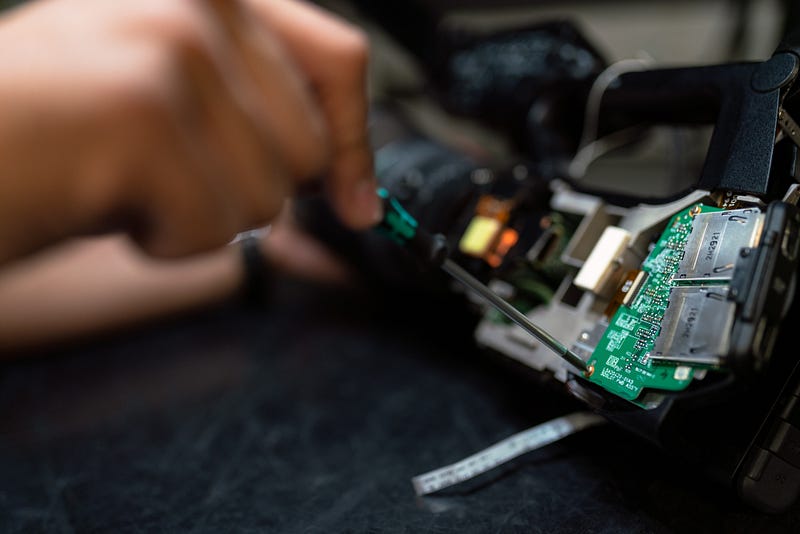
Like any IT environment, your cybersecurity lab will require regular maintenance. This includes updating software, replacing old or failing hardware, and occasionally reevaluating your tools and methods to ensure they’re still effective and relevant.
It’s also crucial to stay informed about the latest developments in the cybersecurity field. As new threats emerge and new defense strategies are developed, you’ll want to update your lab to stay current. This could mean bringing in new tools, upgrading existing ones, or even expanding your lab to accommodate new technologies or strategies.
VIII. Conclusion
Building a cybersecurity lab is an ambitious project, but with careful planning and execution, it’s a task well within reach for most organizations. A well-equipped lab not only serves as a training ground for cybersecurity staff but can also be a hub for testing and developing new security technologies. Remember, while setting up the lab requires an initial investment, the skills and knowledge gained from it can be invaluable in protecting your organization’s digital assets. Now more than ever, investing in cybersecurity is not a luxury — it’s a necessity.


