
Music
How to Build a Wall and Tear It Down
How music can both separate and bring a family together

A long road trip with the family would inevitably mean that, at some point, Billy Joel’s Greatest Hits would be in the CD player.
As much as I would try to drown it out by losing myself in a pixelated “Gameboy Pokémon World,” I would be met with my father’s off-key scream-singing:
“Ah, but working too hard can give you a heart attack-ack-ack-ack, you oughta know by now!”
Billy Joel’s “Movin’ Out”
Every “ack” came out louder and louder, causing me to retreat into my pre-teen angst wall.
There isn’t anything wrong with Billy Joel‘s music. In fact, 52nd Street plays on my turntable often now.
But years ago…Billy Joel clashed with whom I perceived that I was.
How My Music Became My Identity
“I never connected with Pink Floyd,” my father told me one day when I sat across from him at the dinner table. “Too spacey and druggy sounding.”
He might have as well written me a pass to listen to the entire discography of Pink Floyd — STAT. I might have even asked if I could be excused from the dinner table at that moment. I had work to do!
All joking aside, music is often a point of tension between previous generations and newer ones. Although I was born before Billy Joel and Pink Floyd, it didn’t stop me from identifying how I felt about myself and how I felt about my father.
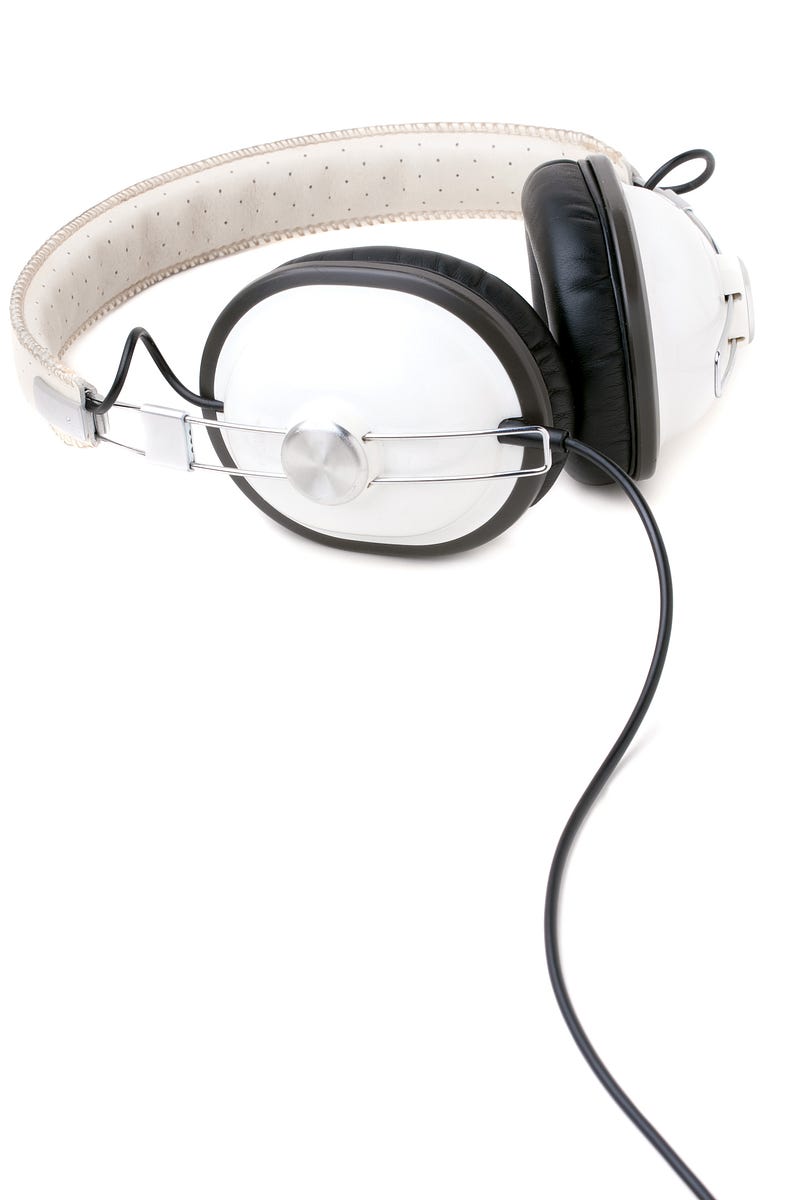
I’d purchase large, heavy headphones I’d wear all the time in the house, cranking out Floyd’s entire discography, explaining to my friends how “Atom Heart Mother” was a truly important album, especially how the suites would show more complexity than any crappy pop standard “Piano Man” ever could.
I’d draw connections with how progressive rock music was “more important” than pop rock and how it was unfortunate longer songs on the radio were often cut so you didn’t see their “true brilliance.”
Oof. How insufferable.
Thankfully, I’ve changed my thoughts about music considerably, but you couldn’t have convinced me I was wrong at that point in my life.
Why?
Because I had wrapped music around me like a blanket and built a wall.
How To Build A Wall
How ironic it was that Roger Waters conceived Pink Floyd’s concept album The Wall in 1980, but even on many, many listens, whether it was late at night before bed or on the bus rides in the morning, I couldn't hear the message.
Waters was explaining how it’s so easy to build walls in your life between you and others. It’s simple to choose to self-isolate and not attempt to connect with others.
Here I was doing that exact thing: Choosing to swear off musical genres and tastes, and to a larger extent, my father, because he “just couldn’t understand.”
But how did I know that? Had I really asked him? Had I shared my love of Pink Floyd’s music with him?
No.
I chose to appropriate my feelings of disconnect with my father and channel my rebelliousness into music rather than ask myself why I felt this way. I held Pink Floyd’s music close to me, a rift between me and everyone else.
In doing so, I was making myself “Comfortably Numb,” losing the chance to see where not only my father stood but also where others would. I would lose some of my empathy and care for the world.
And these feelings of isolation did naught but cause me to suffer. I connected with others less and less. My proclaiming of Pink Floyd’s gospel didn’t win me friends — they made me the kid to avoid in the hallway.
How To Tear It Down
I would eventually learn the lesson of acceptance. But I was still a couple of years away from that.
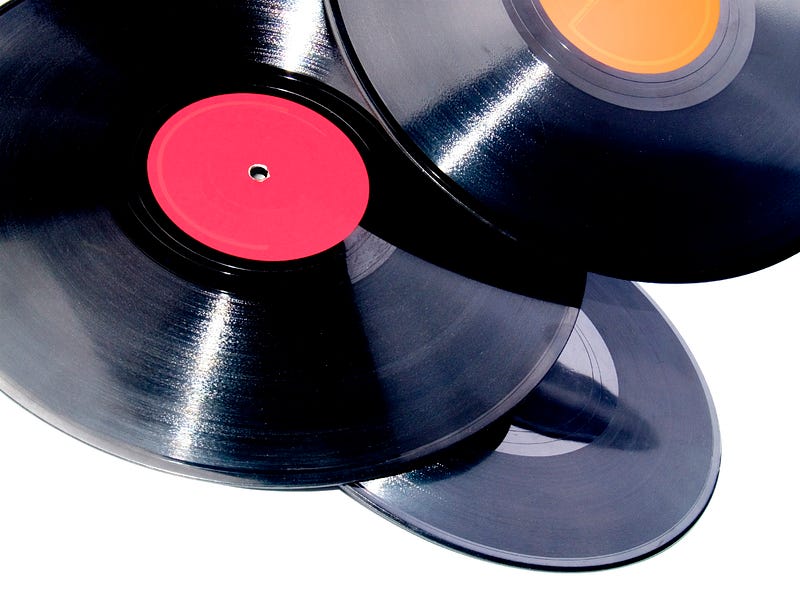
It wasn’t until I stepped foot on my college radio station during an informational session. Looking around at the CDs and vinyl, I saw hundreds of names of bands I’d never heard of.
Running the session was a senior with his hat flipped backward. He drummed his fingers on one of the soundboards as he was explaining how the rules worked at the radio station:
“When you first start, you gotta play 60% new music that we have and 40% of whatever music you want.”
Crap, I thought to myself. I couldn’t just play prog-rock dinosaurs. I had to learn about this other music. To dig in and experience it all.
Traveling outside your comfort zone isn’t easy. But other DJs helped, slipping me electro-pop, classic funk, jazz ballads, and yes, even sparkling radio-friendly pop.
I’d dig into back catalogs of the strange and obscene: screaming metal and punk, avant-garde sounds that one would question if they were music and folky soundscapes.
The more I listened, the more my wall started to fall: Brick by brick.
I started to question why I swore off other artists.
And that’s when I came to a realization.
Epiphany

You can self-identify with an artist. You can even feel as if they are your own. But the tighter you hold on to your music, the more selfish you become, losing the true intention behind the art.
Because music is not meant to divide.
It’s meant to connect and to share.
At that moment, I made a vow to myself at the radio station. I would be open when listening to new music. If I didn’t get it, that was ok, but instead of proclaiming it wasn’t ever to be listened to, I would say that it wasn’t for me.
What I’ve Learned
Many years later, I’ve incorporated this mindset into a self-imposed challenge of listening to all 1001 Albums of “1001 Albums You Must Hear Before You Die” by Robert Dimery. I truly believe by listening to them all I can become more open, empathetic, and help share music with others that they may enjoy listening to that they otherwise may not have heard.
This past week at lunch, I asked my father what his favorite Billy Joel album was. It opened up a conversation about what going to a concert was like in the ’80s, and my grandmother chimed in about her growing up with Elvis and her experience in seeing him live.
Three generations of people sat at a table during a meal and were brought together through music instead of sixteen years ago, a father and son being divided by it.
The next time you swear off a genre or an artist, ask yourself:
Am I using preconceived thoughts about this artist to separate myself from them? How can I be more open-minded when listening to this music? Where is this hang-up coming from? Is there a deeper reason I’m feeling this way?
Sometimes you may not have an answer. But sit with yourself for a minute. Ask yourself again.
Because sometimes, the music you have the greatest apprehension in listening to could be the music you need to listen to the most.
I hope that helps.
I love you all.
Listen on.
I’m Bill. I write about music and spirituality.
I’m listening to 1001 Must-Hear Albums Before You Die in a Year and documenting it on Youtube.
Give me a follow if you like my vibe.


