
Creative Writing
How to Build a Story or Poem from a Tiny Detail
A writing exercise that starts with a bumper sticker
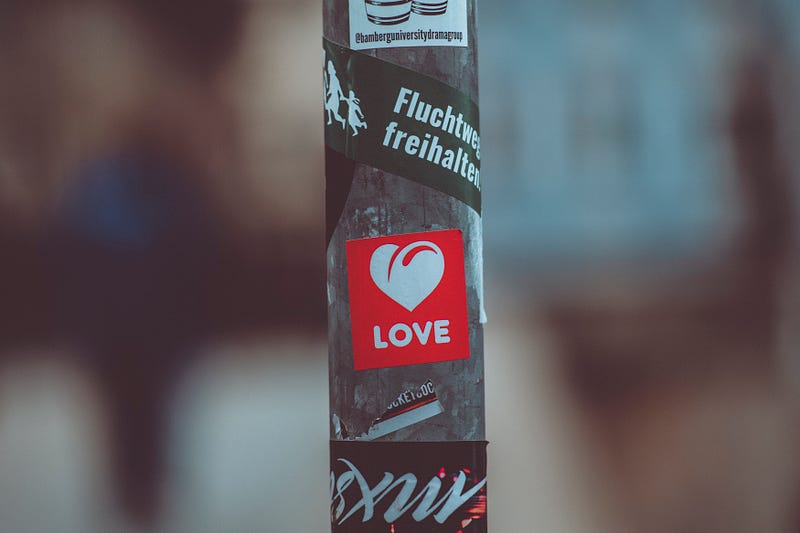
Every day we take in all sorts of interesting details which might just have the potential to launch us into writing a poem or prose piece. How many little things do we pass by without giving them much, if any, thought? Awareness of even the smallest bits and pieces, and mindfulness of the seemingly most insignificant moments can lead to ideas for writing.
Begin with a Bumper Sticker: Have you ever started a piece of writing by remembering or imagining a bumper sticker? I’d never even thought about a bumper sticker as a doorway into a story or poem until I saw it mentioned in a book called Imaginative Writing: The Elements of Craft by Janet Burroway. The lighthearted exercise that follows expands on her original idea.
Quick Brainstorming Session: Jot down some slogans you’ve seen lately on bumper stickers (or that you remember seeing on bumper stickers in the past — some of them have a way of staying in our minds!). See how many you can add to your list. You could also describe stickers that are image-based and don’t have text on them.
The next time you’re out and about, see if you notice any stickers. In fact, it’s fun to expand beyond “bumper” stickers: look for stickers elsewhere. When I was thinking about this exercise while out running errands, I didn’t see a lot of stickers on cars. People today seem more likely to put these large types of stickers on skateboards, laptop computers, utility poles, and other places. So keep your eyes open all over the place to see what stickers have to say, whether or not they’re stuck on bumpers.
Prompts to Explore: Now choose one of the bumper stickers from your brainstormed list to work with for your piece. Here’s where we get creative. For all of the prompts below, use details from your actual observations, or details you’ve made up, or a combo of the two. You can complete all of these in sequence, or feel free to focus on the one(s) you like best or to skip any that don’t click for you.
- Describe the car (or object) your chosen bumper sticker is stuck on. Is it a tiny VW Rabbit? Is it a huge semi-truck? Is it a brand-new skateboard? Is it a laptop that looks twenty years old?
- Go into as much detail as you can about the vehicle or object: make, model, color, year, condition. Has the car just been washed? Has a kid scrawled their name in permanent marker on the bottom of the skateboard? Is there graffiti on the street sign next to the sticker?
- Now imagine the inside of the vehicle (or object, if it is something where you can see inside, like opening a laptop). Consider all five senses as you describe what’s inside. What texture are the seats? Can you taste the day-old coffee in the tumbler in the cup holder? What icons or files are on the desktop?
- Name three specific objects you find in the car, or otherwise near the object.
- Now name the fourth object you’re surprised to find in the car or near the object
- Imagine that while you’re staring at the sticker, you suddenly look up and realize the person who owns the car and/or objects is coming toward you. Who is it? What are they wearing? Is the person walking, jogging, running, pushing a stroller…? Is the person carrying anything? What expression do they have on their face?
- Last but not least, imagine that the person says something. What do they say?
Again, you can select from the list of prompts above — you don’t have to cover all of them if you don’t want to. I do think you’ll have fun if you go through the list in order and follow them one by one, at least for your first rough draft. You can always cut stuff out later! I feel like it’s much better to find that you’ve written more than you need and can afford to edit away later.
Let the exercise take you wherever it takes you. As you write a second draft, maybe you drop the sticker entirely and end up writing about the car or object, or maybe you end up writing about the person. Or maybe this whole process triggers a memory about a bumper sticker you remember from your old car, your parents’ car, your friend’s old car, etc, and you spin off into a story from there. That sounds great, too!
In the original exercise, Burroway suggests that this can be a good technique to come up with an idea for a character you might want to develop in a fiction piece. You could expand on this concept in many ways — how can you build an entire character by starting with one small detail about that person like something they own, something they like to eat, something they wear, or maybe a small rainbow sticker they chose to affix to the bumper of their oversized pickup truck?
Thanks for reading this, and if you write something starting from a bumper sticker, I’d love to know. To read more writing prompts and how-to ideas for creative writing, check out my articles on writing about the pandemic and writing letter poems.


