How To Build A Community Around Your Brand
Unlocking the Secret to Organic Growth and Greater Social Media Engagement

From 2010 to 2017, I was part-owner of a small bicycle store in rural Wisconsin. At its peak it was a nice little business that did around a half million dollars in sales per year. Our marking plan consisted mainly of building a sporting community around our brand and relying on that core group to keep us afloat during slow sales months.
Today, community building has become a fundamental component of digital marketing, but in 2010 we were exploring new waters in this exciting tactic for modern advertising. In this article I’ll discuss a case study for building a community around your brand which can be adapted to fit most business models.
What Is a Brand Community?
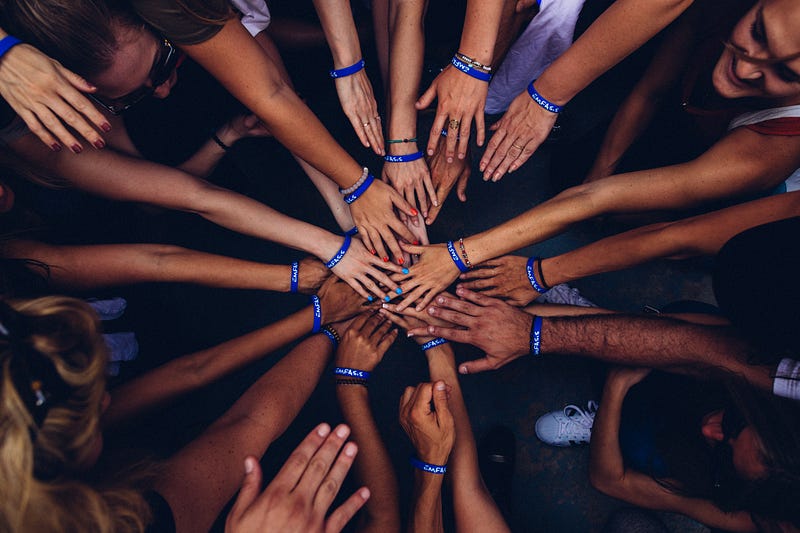
Building a community around your brand is a terrific way to enhance brand loyalty. The objective is to create an environment where your customers feel they are part of a family. Building a community means going above and beyond the standard business/customer relationship by establishing that your corporation exists as more than a basic for-profit entity. You must have a focus on your client community, and engage in activities that are beneficial to the wider residential area in which your business is located.
A commitment to community provides a tremendous boost to your brand’s reputation. Any campaign you launch via email or social media is much more likely to earn organic shares and engagement when you have invested in community building activities. You’ll also find that your customers will go out of their way to bring you business even when it’s more convenient for them to shop online or at closer retail stores.
Is Your Business Right For Community Building?
Building a community is easier said than done. Before you commit to the concept, it’s important to evaluate whether or not your industry can truly support a community. For example, a bank can certainly engage in community based advertising activities, but it does not represent an industry where community development can be the foundation of the entire advertising strategy. A retail bicycle store is a perfect example of the type of business that can truly embrace, develop, and support a community. Any retail store can adapt the concept and use it effectively.
Participating in sports and physical fitness is inherently a community based activity. A support group helps individuals keep up with the rigors of their training program, and as athletes improve, team members can keep pushing one another to greater heights.
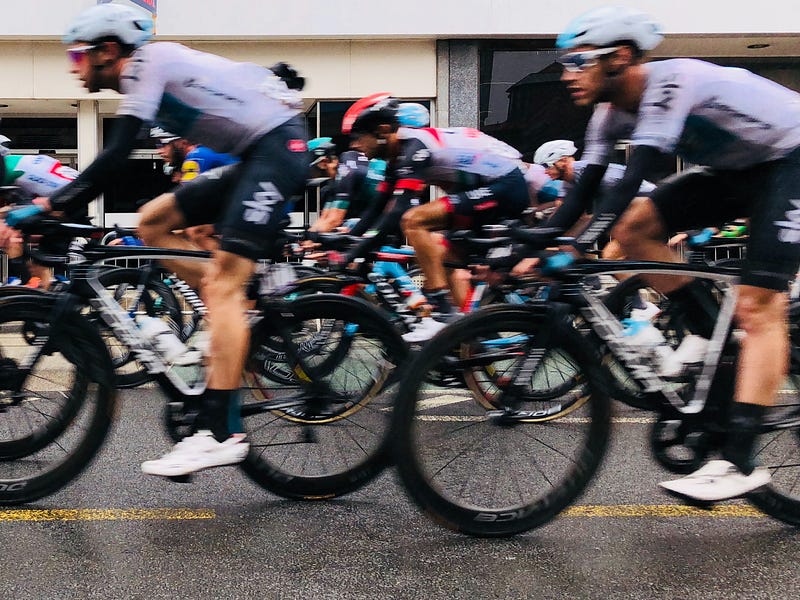
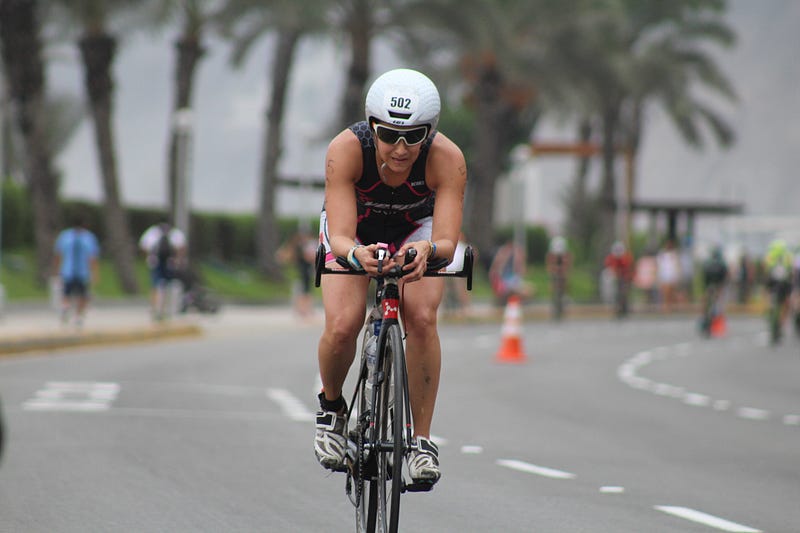
Bicycle shops have historically offered a team jersey for a select group of athletes. However, the mistake most stores make is that they have too much of a focus on elite athletes. Our store found tremendous success through our efforts to recruit and develop athletes at every level. We had a crew of top racers, and we also had a crew of casual riders. We had the most fun when we combined activities that were of interest to riders of all levels.
We also found that casual riders that purchased a five hundred dollar bicycle could often be developed into elite athletes that would purchase a five thousand dollar bicycle a few years down the road. Any bicycle shop that takes the time to help an athlete achieve his or her fitness goals has earned the loyalty of that athlete for life.
The First Step
In our model, the first step was to create an attractive cycling jersey which we offered to our members at cost. We profited on the jersey by including local advertising through sponsorship programs. We updated our jersey every two years. Revealing the new designs and seeking out new sponsors provided us with ample content for our web page and generated a lot of community interest. We were able to capitalize on these events to recruit more members.
We offered discounts to anyone who committed to wearing their jersey at events, and we encouraged our members to approach and introduce themselves to anyone who they found wearing our team gear.
Gradually, many of our riders found that their primary social group consisted of the athletes on our team. We organized events and socials, and over time our riders were introduced to new types of sporting adventures. In a way, our store supplanted the need for a gym membership and offered a fun way for people to meet their health and fitness goals.

Athlete Profiles
As our team expanded, we started to offer athlete profiles on our web page. We took the time to celebrate the achievements of our athletes and discuss the events they were most passionate about. It is always difficult to figure out how to create engaging content that brings attention to your business without having the overt appearance of an advertisement.
Athlete profiles were very popular within our community. They allowed our members to learn more about one another, and provided an introduction to events that people might otherwise not have heard about. As interest grew, we were able to capitalize and provide recommendations for the equipment necessary to pursue these new goals.
Also, we found that athlete profiles were more likely to be shared by friends and family. This allowed us access to massive new user groups we weren’t able to reach through any other method.

Organizing Events
Part of our team concept involved organizing regular training events. This entailed minimal additional effort because these events represented the kind of training sessions we would have engaged in even if we weren’t involved with a business. Training sessions were casual and created an opportunity to teach our customers how to get more out of their performance.
As our store developed, we began to launch profitable cycling and running events during our slow sales months. The entry fees from our core community were enough to cover costs such as timing, and allowed us to promote with confidence that we wouldn’t lose money on the endeavor. Minimizing risk is always a key component of launching a new project.
Throughout the years, our events continued to grow and helped transform our slow sales seasons into the most profitable time of the year. The mailing lists we generated based on our events were also very valuable.

Your Community Will Evolve
The most important thing about cultivating a community is to recognize that the community will develop and that you must learn to meet its ever changing needs. We started out with only a couple dozen athletes, and after a few years expanded to around five hundred active members of all levels.
The community was absolutely critical during the first years of business because it established a reliable sales base that helped us maintain a healthy cash flow. As our business grew, our members took their own initiative to organize spin-off events that helped increase the enthusiasm around our brand and provided us with huge visibility with virtually no effort on our part.
The cycling community in our area went from essentially zero, to being home to some of the top athletes in the area. As local racers began to win regional events, we sent out press releases and earned a huge amount of organic media coverage.

Capitalize On Community
One of the most important skills you must develop when running a business is to learn how to capitalize on opportunity. A business is a natural platform that can be used as a base of operations for many exciting community activities. Your brick and mortar store represents a physical meeting place, and your business has the financial resources and visibility to help get the ball rolling on a lot of great community events.
The number one way to promote sales is to establish a need for the product you are selling. For example, we introduced fat bikes (or snow bikes) to our area and launched them in coordination with a fat bike race. As the media covered our event, our fat bike sales went through the roof.

You Must Be Sincere
Our business model worked because it represented our passion. We had a natural enthusiasm for a healthy and active lifestyle, and we were able to share our enjoyment of those pursuits with local athletes.
The events we organized brought thousands of people into the area, and provided a significant economic boost to all the businesses in our region. Building a community consists of recruiting a couple dozen core individuals and encouraging them to act as ambassadors for your brand’s message. As your business develops, your core members take on a greater role in recruiting new members and organizing group activities.