
How to Beat Life Better with Beets
Beets solo or in a salad or smoothie, just do it for your health
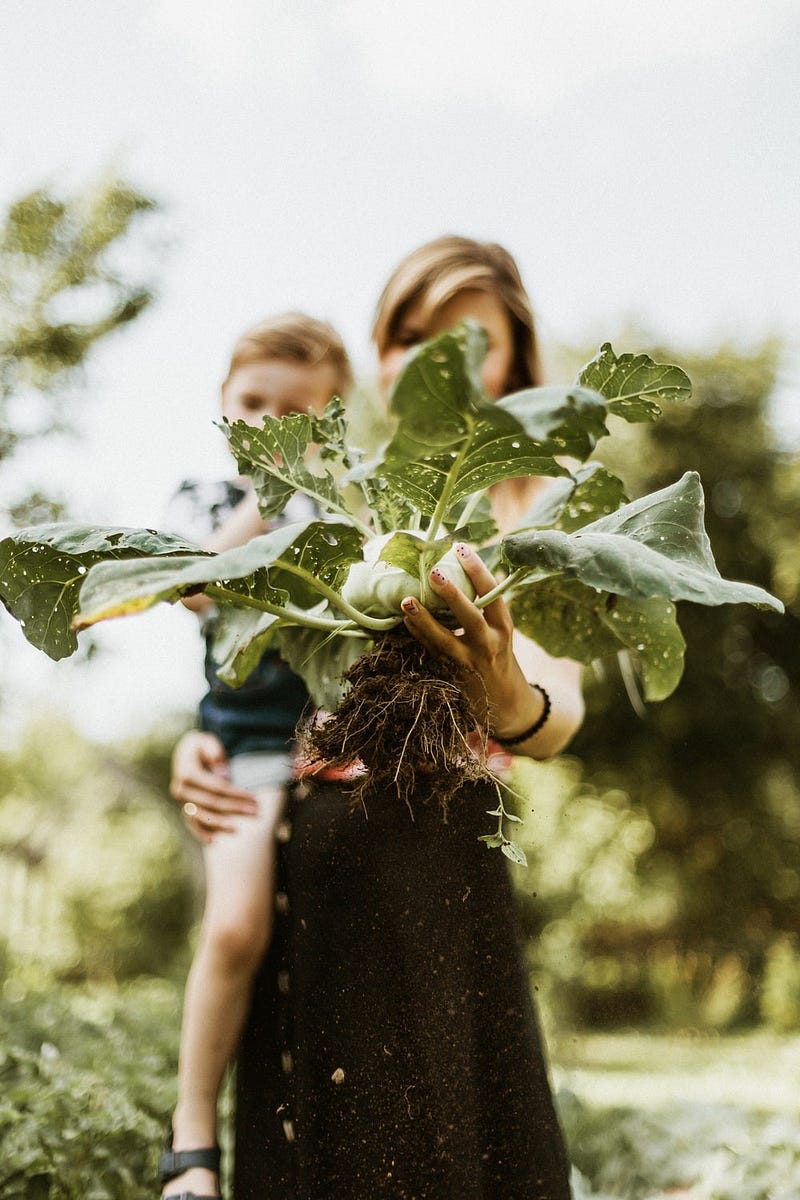
Back in the day, I used to enjoy pickled beets and over a period of time, I lost the taste for them. Moved on to fresh beets for my smoothie. Had heard of the tons of health benefits of consuming beets. Used them mostly in smoothies and occasionally added to salads along with their green leaves.
Beets provided some impressive health benefits. Namely, they are low in calories and a great source of nutrients, including fiber, folate and vitamin C. Beets also contain nitrates and pigments that may help lower blood pressure and improve athletic performance.
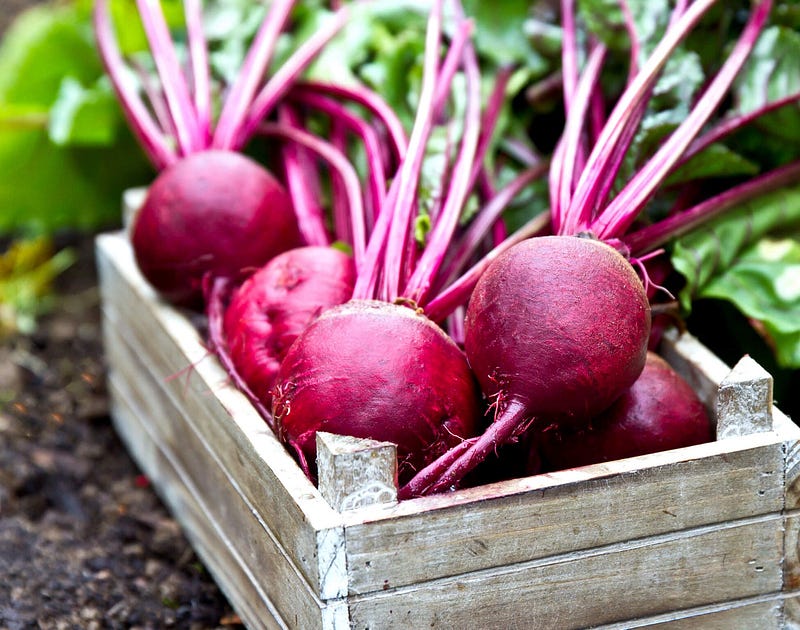
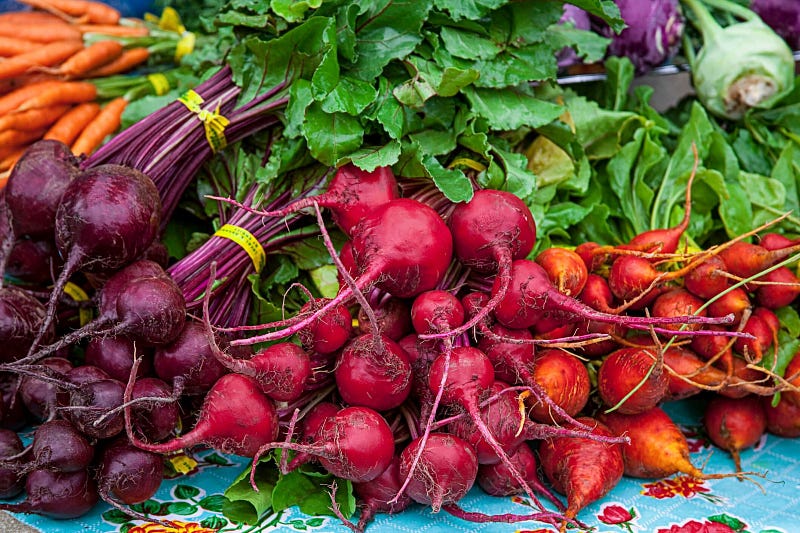
Beets are in a category all by itself while polarizing many. Some love their sweetness why others think they taste like dirt or are am nastily tasteless. The truth of the matter is that there are a lot of good reasons to eat beets. Even when you were a child when your mother forced you to eat beets, she knew they were good for the body in many ways.
Beneficially beets are packed with lost of healthy nutrition, i.e. good source of folate, magnesium, vitamin C, and fiber, and most highly notable for its’ nitrates, betalains, and betaine . They have been shown in studies to have a positive effect on stress, inflammation, cardiovascular health, and cognition.,
The red color in beets comes from betalains which appears to have powerful antioxidant and anti-inflammatory effects. Also, Betaine has been shown to be necessary for cell functions in many ways and also protects cells against oxidative stress, which can damage cells. Beets wears another profound hat of being a catalyst with it’s nitrate component to help expand blood vessels which help in lowering blood pressure and improve exercise performance. .e. Studies have shown that after eating foods that contain nitrates (such as beets), there is increased blood flow to the brain. The beets can add brain food to it’s resume.
While beets does possess more sugar than many other vegetables, it possesses a high concentration of fiber which traps the sugar and slows its adsorption into the the bloodstream.
Beets come in a variety of forms but the most important component is to strive for your beets to be as organic or natural as possible, not processed. Also, the leaves of the beats are highly concentrated with nutrition also. May be used in smoothies or sauteed with veggies, for example. Beets possess a rich source of folate and minerals such as calcium and iron. Also comprised of the beets is 2,400 international units of vitamin A in the form of beta carotene — a nutrient that is linked to eye health and reduced risk of breast cancer.
Even too much of a good thing is just as bad as too little. All things in moderation. To everything or food, there are pro and cons based on usage. the best of intentions could be harmful. Below are pros and cons pertaining to beets.
Pro and Cons of Beets:
Pros:
#1 — They Are Good for Your Heart
#2 — They Can Make You a Better Athlete
#3 — They Can Reduce Inflammation in Your Body
#4 — They Can Improve Your Digestive Health
#5 — They Are Good for Your Brain
#6 — They Have Cancer-Fighting Properties
#7 — They Boost Your Immunity
#8 — They Can Boost Your Libido
#9 — They Are Good for Your Eyes
#10 — They Are Good for Your Liver
Cons:
#1 They’re very high in oxalates which can reduce the absorptive of some nutrients, such as calcium. Also, iron may be affected by it. To much oxalates may increase the risk of kidney stones.
#2 High natural sugar content and have a moderately high glycemic load.
Beets stain everywhere, internally and externally. So given the amount you eat will determine how red your stool or urine may become. This will dissipate. Do not be alarmed if you had eaten a lot of beets.
How to Use Beets
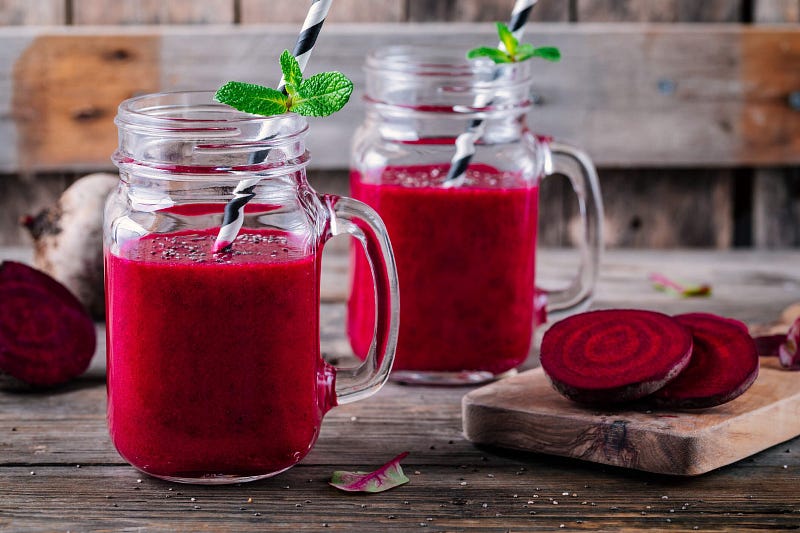
Beets can be roasted, steamed, boiled, juiced and/or pickled. Remember, the beets’ green leaves are equally nutritious.
Nowadays, we can’t get enough of the good stuff for our gut health. Elimination is crucial and beets is one of the best catalyst in making this happened due to it’s high fiber content.
In conclusion, like the taste or not, it’s has a lot to offer a healthy body and maintaining a healthy body. It wards off aliments from blood pressure to stress and much more once consumed on a regular basis. Make beets a staple in your diet. It’s a win win situation.
EP McKnight a writer, teacher, stage playwright, fitness coach and constant dreamer. She is a GCU doctorate student in Performance Psychology, Graduate and Undergraduate in Educational Psychology and Communications at Fordham University New York, New York. She’s on Facebook, Twitter, Instagram, LinkedIn and you can read more of her on www.epmcknight. com
For additional reads: