
How To Be Ready For the COVID-19 Vaccine
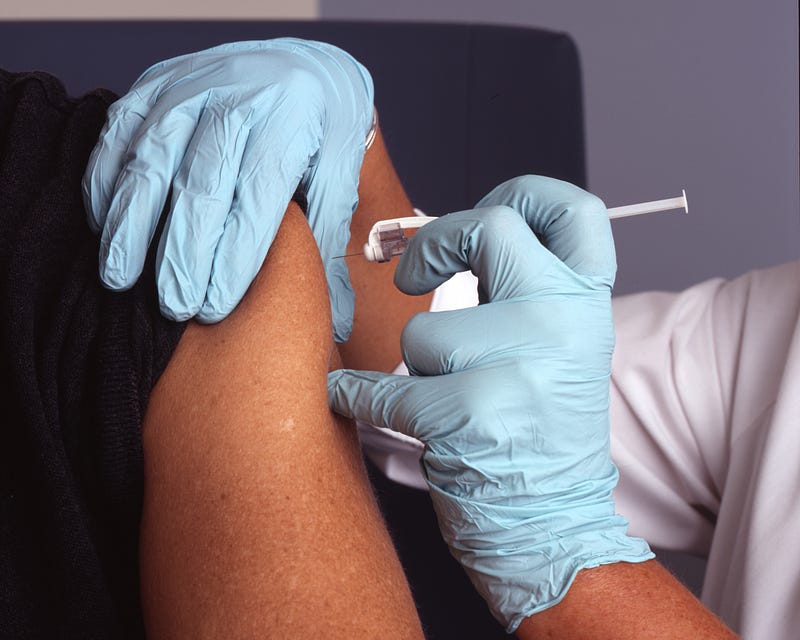
Our world is grappling with an aggressive virus, a stuttering economy, and silent responses to protests. That must mean it’s the perfect time to promote the COVID-19 vaccine. Before you know it, you’re going to start seeing commercials from Hollywood stars and elite sports figures promoting the COVID-19 vaccine. It’s right around the corner.
The race is on for a COVID-19 vaccine. There are over one hundred COVID-19 vaccines in production and twenty of them have moved on to clinical trials. Things are moving fast. Here’s how you can be ready when the time comes.
1. Understand the Immune System As It Relates to Vaccines
The human immune system is immense and complex. But if you have a basic understanding of the immune system, you can understand the evidence behind vaccine effectiveness and safety.
The immune system has the remarkable ability to recognize what is you and what is not you. Its ability to remember, find and attack millions of bacteria, viruses, parasites, and fungi is why the human race hasn’t died out.
It should be noted that as amazing as the immune system is, it is vulnerable and can miss its target at times, crippling humans with autoimmune diseases such as allergies or arthritis. Our bodies aren’t perfect.
Through the use of its main organs–thymus, spleen, lymphatic tissue, and bone marrow–the immune system stockpiles an arsenal of cells. This elite system is efficient, storing a minimal number of each kind of different cell needed to remember the million various enemies. When a threat emerges, the few cells mount a full-scale response to defend the body and kill the invaders. When the job is done, they fade away leaving a few sentries behind to stand guard. It’s quite impressive.
Where do vaccines come in?
Conventional vaccines depend on a response from the immune system to work. When injected into the body, select pieces of a virus find their way inside cells. The immune system wakes up, recognizing the molecules of those pieces as antigens, or threats. The immune system creates antibodies to find and fight the bad guys.
A vaccine is like a dress rehearsal. Once the immune system has practiced recognizing and responding to a virus, it remembers how to do it again when the real invader shows up, stopping future infections in their tracks.
2. Learn About the Impact Genetic Engineering is Having on Vaccines
A genetically engineered vaccine contains the DNA or RNA (molecules that hold genetic instructions) of the enemy pathogen–the same enemies I pointed out above. When DNA-plasmid or RNA are injected into the body, it is taken up by the cells and the body naturally synthesizes the genetic code in the plasmid.
But wait! When the DNA or RNA proteins begin sprouting characteristics of bacteria or viruses, the immune system is alerted: foreign body on board! An immune response is triggered and the war begins.
Scientists have been using the gene-based vaccines for a while and have found some success for use in veterinary medicine. To date, no genetically engineered vaccines have been approved for human use. However, the technology is in place and genetically engineered vaccines hold great promise for speeding up the creation of a COVID-19 vaccine.
3. Advocate Vaccines Without Promoting Vaccines
It is imperative to begin the conversation about vaccines today. There is a haze of vaccine hesitancy in the world that needs an anchor. Concerns about safety, choice, and even the very need for vaccination are front and center in many people’s minds. Our responses to each other are crucial.
Know Your Numbers
Vaccine safety is everyone’s concern. The best thing you can do is know where to find the information you need to educate yourself and your loved ones who ask questions about vaccine safety. The best resource is the Centers for Disease Control and Prevention (CDC). For information about the safety of specific vaccines or vaccine reaction rates, visit the CDC’s Vaccine Safety Resource.
Don’t bother memorizing statistics, because you don’t want to throw numbers at yourself or other people. However, you do want to know the facts. You can share facts because facts inform but when you spout statistics, you’re more likely to alienate vs educate. Share CDC resources when people ask for details or when you have questions/concerns yourself.
Avoid Politics and Arguments
It is nearly impossible to have a conversation about vaccines without common arguments popping up, such as links to autism or other diseases. These issues can quickly turn toward concerns about the violation of individual rights or even spike political tensions.
Since arguments and political discussions do not often lead to new knowledge, here are a few ways to overcome misconceptions and promote understanding of vaccines as you have these discussions with others.
Use Pro-vaccine Verbiage. When the topic of vaccines comes up, assume everyone is pro-vaccine. Then use pro-vaccine phrasing throughout the discussion. Use matter-of-fact statements such as “What specific safety concerns do you have about the new COVID-19 vaccine?”
Pinpoint Objections and Misconceptions. When arguments surface around the issues of vaccines, it’s a good idea to help people discover their specific objections. Statements such as “What specific concerns do you have about the COVID-19 vaccine?” or “Where did you hear this information?” can help others identify their concerns and help you know what information to share.
Don’t Hesitate to Give Your Experiences. Using the CDC’s scientific information and sharing your thoughts on the matter can be impactful. Sharing your recommendations in a direct manner, such as “I strongly recommend the COVID-19 vaccine. My family and I will be getting it as soon as it’s available.” or “This vaccine is very important to protect you and your family from COVID-19” can help spread the word with confidence.
Listen and Respond with Compassion. Sometimes people just need to talk it out and being heard is part of the process. They will most likely bring up their fears, and maybe their political bend on the topic, but don’t let it incite a riot. This is not the time to make your point regarding vaccine use. It’s time to lend a compassionate ear.
Use this opportunity to really understand their concerns so that you can provide solid, scientifically-based information. People are more likely to accept the informational handout you’re offering when it comes from a place of compassion and care.
It’s important for us all to understand the basics of vaccines but also to be knowledgeable about the future of vaccines. As the creation of a COVID-19 vaccine rushes to the finish line, we will all have questions.
Now’s the time to educate yourself about the science of vaccines and hear the concerns of your friends and family. And, in the coming months, as the push to be vaccinated against COVID-19 mounts, you will be uniquely positioned to educate and inform as you step into the vaccination line.