
How to Be Productive When You Work from Home
Creating a structure and framework that works for you
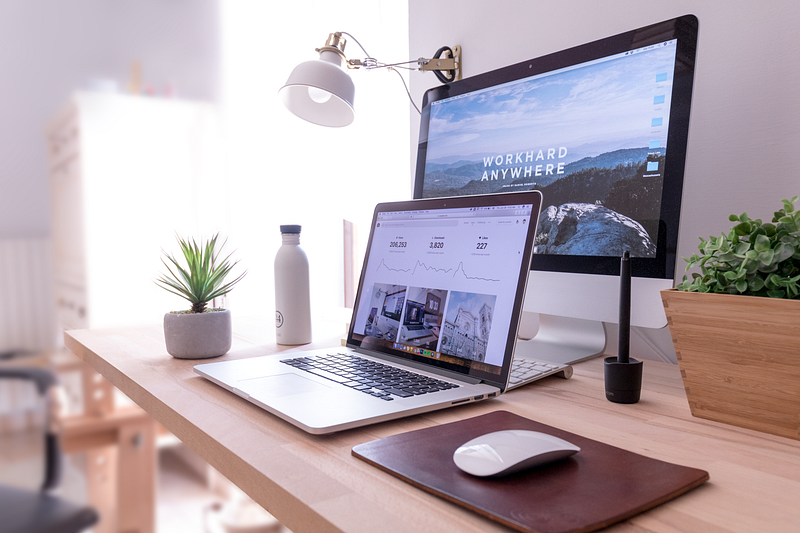
Finally! Your dream has come true. You’ve been granted permission to work from home. Or perhaps you convinced your boss that you can be as (if not more) productive working from home. Or maybe you’ve launched out on your own as a contractor or entrepreneur and your time is now your own and your schedule is no longer dictated by the powers that be.
What seems like a dream come true can be a difficult adjustment if you’ve always worked in an office environment or had others dictate your schedule and time management. Here are some obvious tips that you’ll need to adhere to if you want to feel productive as you work from home.
Changing routines and environments takes some time to adjust to and although you will find working from home can indeed make you more productive, it does take some discipline and practice to figure out what works best for you.
Stick to a routine
I know that sounds like the exact opposite of what the freedom of working from home brings to mind, if you don’t create some type of routine for your day, you’ll find that you’ve whittled away your most productive hours and the time stealers will sneak in and rob you of all that productivity you were hoping for.
Figure out what time of the day you are most productive and alert and use that time to hammer out the projects that need focused attention. I know that if I don’t work on my most tasking projects in the morning and early afternoon, I will be much less productive as the day slides into late afternoon and evening.
While it’s true you can work whenever you want if you work from home, not all times of the day are equal. I don’t even attempt to work in the evenings because I’m too tired and my work will be shoddy, riddled with mistakes, and uninspired.
Yes, you can fit that workout in, handle a load or two of laundry and even take the dog for a walk, but create a routine that will maximize your productivity hours and maybe take that run or walk the dog when you’re less mentally alert and need a physical and mental boost.
Eliminate distractions
I don’t like to hear noise of any kind while I am working. I prefer silence. No television or radio or podcasts in the background. This helps me hear my own voice and the whisper of inspiration that I rely on for ideas and words and direction.
That may not work for you but I do encourage you to think about what easily distracts you. If social media is your kryptonite, turn off all notifications on your phone or better yet, leave your phone in another room.
Don’t log into those accounts on your laptop as you work and close out your email too. You know those annoying Outlook popups that show every email that is coming in? That is not only distracting to your flow but also anxiety-inducing. While you are trying to crank out that spreadsheet or edit that final paper, you’re seeing popups for more meeting notifications, deadlines, and the pressure that others are eager to place on you. You can turn those notifications off and you probably should.
Set times to check email: first thing in the morning to respond to what’s urgent. Take fifteen minutes at lunch and again before you close up shop for the day. Don't dabble in email and social media concurrently with your work. It will only serve as a major distraction and make you less productive in the long run.
Working from home is not a license to multi-task, and believe me, it’s tempting to do so. Establish an office environment and block out the dirty dishes, dust bunnies, and waving neighbors if you want to get anything done during the day.
On the other hand, this might be the perfect time to start stacking your life.
“Stacking your life involves the search for fewer tasks that meet multiple needs, which often requires that you’re clear on what your needs actually are. Once you identify your needs and which tasks best serve you, you can attend to, pay attention to, get involved in, and focus upon a single task at hand that serves multiple obligations.” — Katy Bowman
Some examples of stacking your life when you work from home could be:
- Keep a small stepper at your desk and work out on it during a conference call.
- Get on the yoga mat and stretch while you listen in on a conference call you don’t have to speak on.
- Put some dinner in the crockpot while you return phone calls or take a short walk.
My favorite part of working from home is the ability to stack my life and do what works for me.
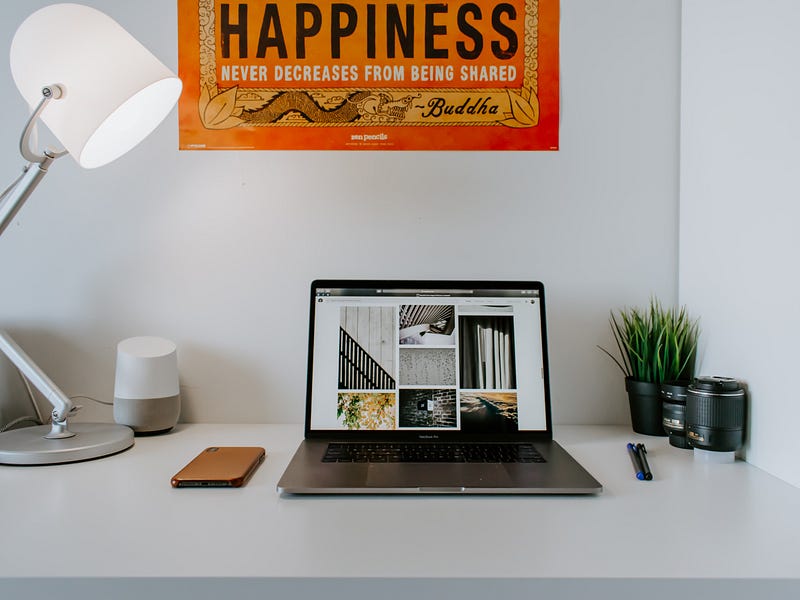
Pretend you are leaving the house to go to work
I’ve been practicing this since I started working from home almost 20 years ago. I get dressed, eat breakfast, make the bed and attend to household and pet needs before I sit down to work. I keep a dedicated office and my laptop stays there 99% of the time. I know that’s not how many of you work but think about if you worked at an office. You wouldn't carry the office home with you and sit with it on your lap at night.
Get into the habit of separating work from life so you don't run the risk of worshipping productivity over spending quality time with the people and things you love. Nothing spells burnout faster than failing to set a boundary between home/work-life balance. And trust me, everything comes with a cost so count carefully before you are tempted to tip the balance toward work or use your work-from-home freedom to race to the top.
Build in some predictable breaks
This coordinates with your routine but also encompasses small breaks to stretch, walk to the mailbox, eat lunch, or meditate. The fabulous thing about working from home is that you can schedule the breaks that work for you. And there is nobody to corner you at the water cooler to turn a 10-minute break into a 30-minute gossip session.
Try content batching or a theme framework
If your job is straightforward and you have a clear outline of tasks that need to be completed with deadlines, then sticking to a schedule will work for you, but if your job is more fluid and consists of several different projects with self-imposed deadlines, you might find it hard to decide what to work on when.
I have four to five projects going on at any given time and at first, when I launched out on my own as a writer and independent contractor, I had a hard time staying focused and determining what my priorities were. It’s taken me some trial and error and an understanding of how I’m made and what de-motivates me, but I’ve finally found a groove that seems to be working for me.
I learned this trick from my favorite author, Emily P. Freeman and it’s about building a theme framework. Each week I pen in the items that are time-sensitive such as a webinar or meeting I must attend and then I chose a theme for each day.
For example, Mondays are devoted to working on my personal blog, Tuesday and Wednesdays are for creating my membership site and serving my readers at Teach a Child to Read.
Thursdays I spend time on Medium editing for a publication called Koinonia and prepping and planning a week’s worth of Medium articles that I will submit over the next few days.
On Friday I handle ongoing training, schedule my webinars, complete documentation, and write more if I can.
I am not strict about each day if I feel some inspiration to work on something else, but for the most part, this has kept me focused and eliminated the feeling of being scattered and unorganized.
You may find that working from home does not work for you, but don’t make that determination until you’ve created a routine and a framework that supports you. Working from home is often isolating so make sure you cultivate some relationships with groups and friends that you can count on to get you out of the house.
Some people find going to a coffee shop a few times a week stimulating enough to jumpstart their creativity or productivity. There are co-working spaces popping up all over where at-home workers can get away from the distractions of home life and apartment complexes offer work stations also. You might consider adding a tiny home for an office space or converting your attic or garage into a workspace too.
Once you find your work-from-home groove, I’m confident you’ll find yourself more productive than you ever were in the office.


