
How to Be on Time and Avoid Shame
A simple mind-shift might help you prevent being chronically late.
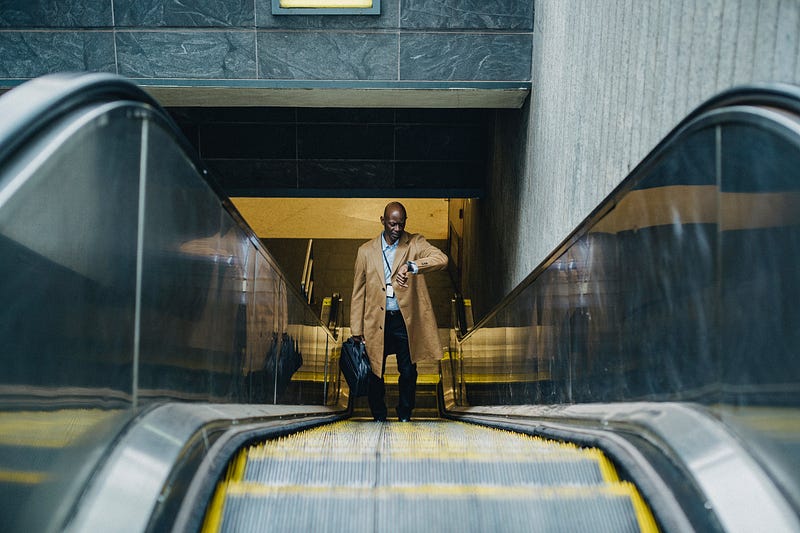
I hated to be late for meetings or appointments. But I lived in Istanbul.
For many years, I was late for work, meetings, appointments, choir practices. Not always, but enough times to feel ashamed. I hated the whole deal: Biting fingernails watching the crawling traffic. Texting people informing them that I would be late. Running down the escalators. Sweaty shirts, sore feet, thumping heart… worst of all, the shame.
It wasn’t my fault!
I wasn’t always like this. I was punctual as a university student in Ankara. Turkey’s capital city was a lot more organized than Istanbul. Public transportation was more reliable. The difference between good traffic and bad traffic wouldn’t exceed ten minutes. So I would add ten minutes to my commute, and I would never have to panic.
Istanbul, however, was a different story. To continue to be punctual, I needed to act much earlier. After a few weeks of living in Istanbul, I realized many people didn’t even try to be on time. I found myself spending hours on the way and then waiting for an extra half hour for the others to turn up. I would go to the office at nine o’clock, and there would only be a handful of people out of a hundred.
After some time, I too released my discipline, began being late to work and other places. Most of the time, it was okay, the other people were also late. But sometimes, it wasn’t okay. Some meetings would start right on time, and it was a disaster to be late. And it was all Istanbul’s fault!
The decision — and the failure
If it wasn’t my fault, why did I still feel terrible being late? After a few years of high stress and embarrassment, eventually, I came to my senses. I decided to stop blaming the population of 15 million and take responsibility. I could no longer handle the stress of being late to meetings with advertising clients, production companies, or TV channels. I needed to learn to be punctual again and fast!
But, lateness was a bad habit like smoking. I couldn’t go back no matter what I did. I didn’t even know why I was late. Every time, I had a valid excuse. One morning I slept in. The next morning, even though I was up at six, I was still late to work at nine. My excuse could be anything. Losing my keys, a last-minute phone call, a blocked road, a new ferry schedule, the fog, the rain, the snow, you name it.
I adjusted clocks a few minutes too fast to never miss ferries and trains. But my mind always adjusted it back when I was on the run. I overestimated how long each trip would take. But again, my mind allowed me to procrastinate at the last minute, knowing I overestimated.
The moment the penny dropped
One day, my screenwriting group had a meeting with a production company. I was ready to leave the house one full hour before the meeting. It normally took half an hour to get there. If I left right then, I knew I wouldn’t be late. Yet if I waited for twenty minutes and then left, there was still a good chance I would make it on time. But who knew what the traffic was like? I decided not to take the risk.
Then, instead of putting on my shoes and walk out of the door, I went to the kitchen and began making tea. That was the moment I realized something was off in my mind. I was procrastinating on purpose. I was sabotaging myself like a naughty child out of control. What was going on?
The core of the problem
I sat down for a second and gave it a hard deep thought. I realized that something in my brain didn’t want to go to the production company so early. If I left right away and there was no traffic, I would have to wait for half an hour. And I hated the idea of having to wait! I was trying to avoid it at all costs.
Being late to the meeting and getting embarrassed, for some reason, felt more acceptable than being early and waiting around aimlessly. What was so wrong with being early?
When I turned up early, I felt uncomfortable. I wouldn’t know where to wait. I didn’t want to go into the building by myself and attract attention. I also didn’t want to stand outside the building. I didn’t have enough self-confidence about being there.
When I realized what exactly was going on, it became simpler to deal with my problem.
The mind-shift
I came to realize that I had to make peace with the idea of being too early. If I could build some confidence and relax into this, I could leave my house as early as needed. Half of the time, I would be on time anyway. And if I happened to get to the place too early, I could accept it. And I would make the most of that time rather than torturing myself.
So how did I make peace with being early? All it took was a bit of mental preparation:
1. Casual research about the venue
If the meeting were at a new place, I would ask my coworkers or friends if they have been there before and what it was like. Would the meeting room be available beforehand? Did we know anyone who worked there?
I would also google it, look at the map of the area. Was there something I could enjoy nearby, like a bookstore, a cafe or a little park? Was it close to the post office or bank or some other errand I could want to run if I ended up too early?
2. Visualizing being there
Using the information I just found, I would imagine entering the building early. What would I do? I visualized myself spending time sitting in the waiting room or the meeting room. Who would I see? How would I greet them, and what would I talk about? How would they talk to me? How would I feel? How would I relax?
If I ended up getting to the area way too early, where would I go? I visualized sitting at a cafe or park bench, thinking, “not so bad!”
3. Making plans
Depending on what I found, I made a few plans. Sometimes I would plan to go to the area a full hour earlier to complete other tasks.
“I will first go to the bank and pay the rent. If I fail to do it, no big deal, but I won’t be late for the meeting.”
“If I go there earlier than a half-hour, I will go to the cafe and have a chai latte.”
“If I go there ten minutes early, I will sit in the meeting room and revise my notes.”
This was only for breaking my resistance and making me move. When I get there, I would often find it different than what I imagined, but that was okay. I wasn’t late, and that was the whole point.
4. Including others in the plans
Sometimes, we would plan together as a group. We would meet with my writing group somewhere else beforehand and share a taxi to the meetings.
A few weeks ago, I was going to an event with a friend. We planned to meet at a nearby cafe half an hour before the event. I was on time, sat at the cafe and ordered a drink, but my friend was late because of traffic. I read a few Medium articles as I waited. When she finally arrived, it was already time to go to the event. She was glad that we had planned to meet beforehand!
5. Embracing audiobooks
In the old days, I would look down on audiobooks. I believed nothing could replace physical books. But in time, I began reading less fiction for fun and more non-fiction for self-improvement.
Once I dropped my prejudice about audiobooks, everything changed. I immersed myself back into the world of fiction. I enjoy it so much that I find excuses to listen more, like doing chores instead of procrastinating, walking, or going to places early. I am no longer uncomfortable waiting for other people because I look forward to the next chapter in my book. I even get disappointed when they finally arrive.
This little mind-shift worked wonders for me. I am no longer late.
I live in Auckland, New Zealand now. The traffic is nowhere near Istanbul, but public transport isn’t the most reliable either. Yet, when I am happy waiting, there is no reason to avoid going to places early, and being late is a thing of the past.