
How to Be Funny: A Guide to Understanding and Improving Your Sense of Humour
Learn the psychology behind humour and how to apply it in your everyday life to make people laugh and like you more.
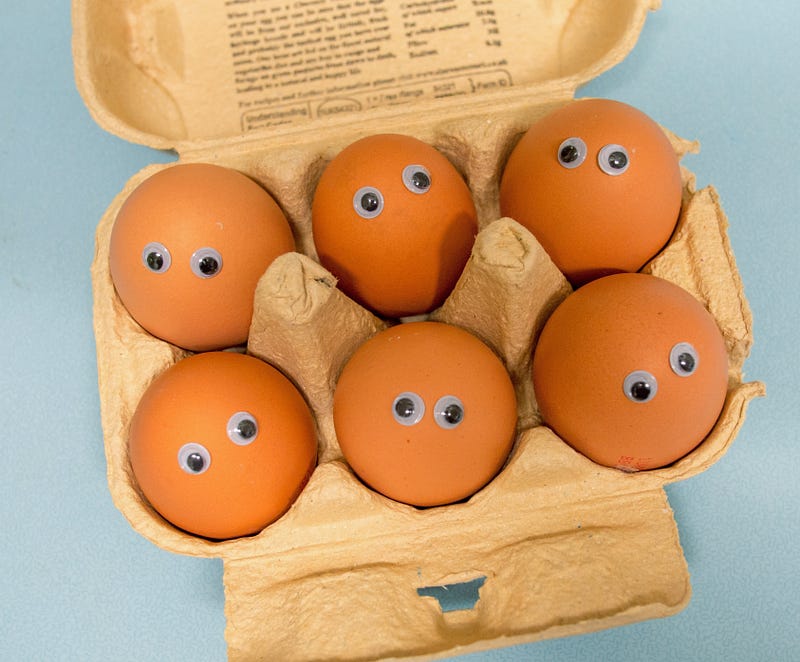
Have you ever wondered why we laugh? What makes something funny? And how can we be funnier ourselves? If you have, you’re not alone. Humour is one of the most universal and fascinating aspects of human nature. It’s also one of the most beneficial. Humour can help us cope with stress, improve our health, enhance our relationships and boost our happiness. In this article, we’ll explore the psychology behind humour and how it works. We’ll also share some practical tips on how to develop your own comedic style and skills. And we’ll show you how to avoid some common pitfalls of humour that can backfire or offend.
The three theories of humour

Humour is a complex and multifaceted phenomenon that involves cognitive, emotional, social and physiological aspects. One of the main challenges of understanding humour is to explain what makes something funny and why we laugh at it. There are many theories of humour that attempt to account for the mechanisms and functions of humour, but none of them can fully capture the diversity and richness of humour in human life. In this paragraph, we will briefly discuss three of the most influential theories of humour: incongruity, superiority and relief.
Incongruity theory. The incongruity theory of humour suggests that we find something funny when it violates our expectations or norms in a surprising or absurd way. For example, we may laugh at a joke that plays with words, a cartoon that depicts an unlikely situation, or a prank that catches someone off guard. The incongruity theory emphasises the cognitive aspect of humour, as it involves detecting and resolving a discrepancy between what we expect and what we perceive. However, not all incongruities are humorous, as some may be confusing, frightening or boring. Some scholars have proposed that humour requires a benign or playful attitude toward the incongruity, or that it involves a resolution or reconciliation of the incongruity.
Superiority theory. The superiority theory of humour suggests that we find something funny when it makes us feel superior to someone else or to ourselves. We may laugh at someone who slips on a banana peel, at a comedian who mocks a politician, or at ourselves when we realise our mistakes. The superiority theory emphasises the social and emotional aspect of humour, as it involves comparing ourselves with others and expressing our feelings of triumph or relief. However, not all forms of superiority are humorous, as some may be cruel, arrogant or aggressive. Therefore, some studies have proposed that humour requires a sense of goodwill or empathy toward the target of laughter, or that it involves a recognition of our own flaws or limitations.
Relief theory. The relief theory of humour suggests that we find something funny when it releases our pent-up tension or energy. For example, we may laugh at a dirty joke that breaks a taboo, at a clown who acts silly in a serious situation, or at ourselves when we overcome a stressful challenge. The relief theory emphasises the physiological and psychological aspect of humour, as it involves reducing our stress, anxiety or boredom and enhancing our mood, arousal or creativity. However, not all forms of relief are humorous, as some may be inappropriate, dull or harmful. Humour requires a balance between arousal and relaxation, or that it involves a shift from a negative to a positive state.
These three theories of humour are not mutually exclusive, but rather complementary and overlapping. They can help us understand different types of humour and their effects on us and others. However, they are not sufficient to explain all the nuances and variations of humour in different cultures, contexts and personalities. Humour is more than just a cognitive, social or emotional process; it is also an art form, a skill and a way of life.
Developing Your Comedic Style and Skills

Humour is not only a matter of theory, but also of practice. To be funny, you need to develop your own comedic style and skills that suit your personality, audience and context. Some techniques of humour that you can use to enhance your comedy writing or performance include:
Exaggeration. This is a technique of making something seem bigger, better, worse or more absurd than it really is. For example, you can exaggerate your own flaws, achievements or experiences to create a humorous contrast or irony. You can also exaggerate the characteristics or actions of others to mock them or make fun of them. Exaggeration can be verbal or physical, such as using hyperbole, metaphors, gestures or facial expressions.
Irony. You can say or do something that implies the opposite of what you mean or expect. For example, you can use irony to express sarcasm, criticism or mockery in a subtle or witty way. You can also use irony to create a humorous surprise or twist by revealing something unexpected or contradictory. Irony can be verbal or situational, such as using understatement, rhetorical questions, irony marks or dramatic irony.
Wordplay. This is a technique of playing with words to create humour based on their sound, meaning or association. For example, you can use wordplay to create puns, jokes, riddles or rhymes that exploit the ambiguity, similarity or difference of words. You can also use wordplay to create alliteration, assonance, consonance or onomatopoeia that enhance the rhythm, sound or imagery of your comedy.
Timing. By controlling the pace and delivery of your comedy , you can create humour based on anticipation and reaction. For example, you can use timing to create suspense, tension or curiosity by delaying or withholding the punchline or the resolution of a joke. You can also use timing to create contrast, relief or surprise by speeding up or slowing down your comedy or by changing the tone or mood of your comedy.
These are just some of the techniques of humour that you can use to develop your own comedic style and skills. However, you should not rely on these techniques alone, but also on your own creativity, originality and authenticity. Humour is more than just a set of rules or formulas; it is also an expression of your unique voice and perspective.
Being Funny Without Being Offensive, Boring or Awkward

Humour is not always appropriate or appreciated in every situation. Sometimes, humour can backfire and cause more harm than good. These pitfalls include:
Stereotypes. These are generalisations or assumptions about a group of people based on their race, gender, religion, nationality, etc. For example, you might make a joke about how all blondes are dumb, how all Irish are drunk, or how all Asians are good at math. Stereotypes can be offensive, hurtful or discriminatory to the people who belong to those groups or who care about them. They can also reinforce negative biases and prejudices in society. To avoid stereotypes, you should be aware of your own cultural background and perspective and how they might influence your humour. You should also respect the diversity and dignity of others and avoid making jokes at their expense.
Sarcasm. This is a form of irony that involves saying something that implies the opposite of what you mean, usually in a mocking or contemptuous way. For example, you might say “nice job” to someone who just failed a test, or “you’re so funny” to someone who just told a bad joke. Sarcasm can be funny, clever or witty when used sparingly and appropriately. However, sarcasm can also be rude, mean or aggressive when used excessively or inappropriately. It can hurt people’s feelings, damage relationships or create misunderstandings. To avoid sarcasm, you should be mindful of your tone of voice and body language and how they might convey your intention. You should also consider the context and the audience and whether they will appreciate your sarcasm or not.
Taboo topics. These are topics that are considered inappropriate, sensitive or controversial by most people or by a specific group of people. For example, you might make a joke about death, sex, politics or religion. Taboo topics can be funny, edgy or provocative when used carefully and creatively. However, taboo topics can also be distasteful, offensive or shocking when used carelessly or crudely. They can offend people’s values, beliefs or morals, trigger negative emotions or reactions, or cause conflicts or arguments. To avoid taboo topics, you should be aware of the norms and expectations of the situation and the audience and whether they will accept your humour or not. You should also balance your humour with respect and empathy and avoid making jokes that are harmful or hateful.
These are just some of the pitfalls of humour that you should be aware of and avoid when possible. However, you should not let these pitfalls stop you from using humour altogether. Humour is a powerful and positive tool that can enhance your communication, connection and happiness. You just need to use it wisely and responsibly.
Humour is a valuable and enjoyable aspect of human life. It can help us communicate, connect and cope with various challenges and opportunities. We hope that this article has helped you understand and improve your sense of humour. Humour is not only a matter of theory, but also of practice. The more you expose yourself to humorous stimuli, the more you experiment with different types of humour, and the more you reflect on your own humour style and skills, the better you will become at using humour in your life. Humour is a powerful and positive tool that can enhance your communication, connection and happiness. You just need to use it wisely and responsibly.
We invite you to share your feedback on this article or to share your own humorous stories or jokes with us. Remember: laughter is the best medicine!
Are you tired of scrolling through endless clickbait articles and ads on other platforms? With a Medium membership, you’ll have access to high-quality, ad-free content from top writers and publications. Indulge in the pleasure of reading while supporting the creative work of writers, and take your reading experience to the next level. Sign up now to join the community of readers and writers on Medium.