
How to Be an Environmentalist and an International Traveler
10 tips for more sustainable travel
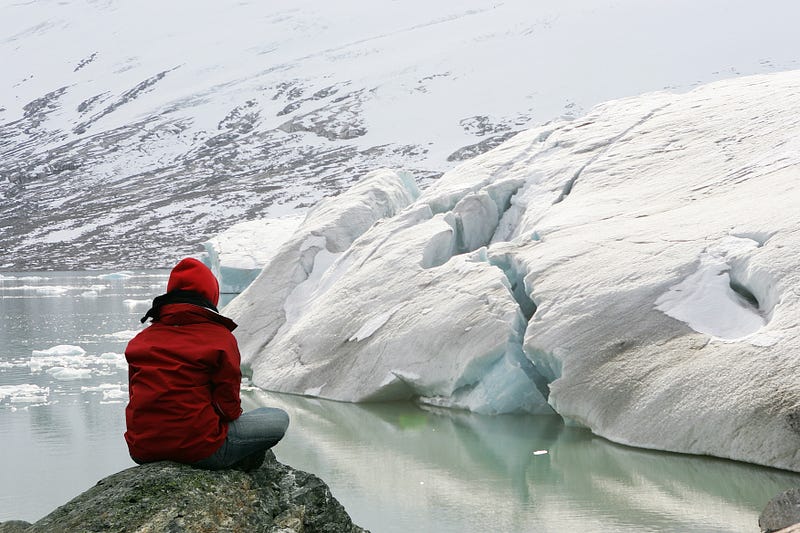
As a human being who must live and thrive on the only known habitable planet, possibly raising children who will rely on Earth’s resources after you’re gone, you may find yourself deeply concerned, to the point of fear and distraction, about climate change. And possibly, boarding a plane heightens your awareness of the role you play in exacerbating the problem.
In the era of flight-shaming and travel-shaming, you may feel sick with guilt as you purchase your spot in seat 3C for your next journey. Remember, though, what environmental educator David Sobel said,
What’s important is… to have an opportunity to bond with the natural world, to learn to love it, before being asked to heal its wounds.
Immersive travel — the kind where you connect deeply and authentically across cultures — puts you face-to-face with different people, environmental landscapes, and ways of life. This kind of travel can build peace and nurture empathy. It can make us care.
I believe that hopping on a jet from time to time outweighs the environmental impact of that choice because the opportunities for personal growth and lifelong environmental stewardship are so profound. After all, perhaps it’s well-traveled individuals — you? your children? my own? — who will bravely tackle and solve the climate problem.
I also think all travelers have a real, abiding responsibility to tread softly on the earth as we cross borders. As you plan your next journey, consider the following tips.
Travel off-season
Coronavirus may have made the term “overtourism,” a buzzword of 2019, virtually extinct in 2020 (and residents of Dubrovnik are not missing Game of Thrones fans). However, the $8 billion travel industry will rebound, as the Colosseum, Machu Picchu, Chiang Mai, and Angel Falls will still beckon to those daring and bold. The connection behind overtourism and the environment is clear: more feet cause more damage. Wee plants become smothered; rocks and paths erode; trash accumulates. Not only is off-season travel kinder to the planet, but the experience may be more enriching for the visitor.
Discover immersive travel
Make the leap from hotel chains, packaged tours, and resort vacations to more intimate experiences that put you in touch with local people. People from North America and Europe often gravitate toward cushier vacations, and though immersive travel involves risk, unknowns, and, possibly, a bit of discomfort, it’s more gratifying. Through immersive travel, your understanding of the world expands, deepening your compassion for the experiences of others. To start, explore WWOOF, Workaway, or Grassroots Volunteering.
Learn more about the environmental challenges of your host country
Engage with tours or guides who explicitly mention this knowledge base in their sales pitches, and don’t be afraid to ask when you’re touring around. Gaining your own knowledge will help you be a better environmental steward for the remainder of your trip and an educator of friends and family back home. Be absolutely sure you’re not contributing to environmental degradation as you learn about it.
Visit ecological sites
Take Sobel’s advice and learn to love the earth; the best way to do this is to see it. Leave the cities and roam the countryside. Stay at an eco-lodge, or go for a hike. If you prefer city tourism, visit parks and learn about local flora and fauna.
Spend your funds locally
When people degrade the environment in emerging countries, they do it not out of heartlessness or maliciousness. They do it out of desperation. Sometimes the only way for parents to feed their children involves resource extraction. Give people another method to reap the income they need to feed, clothe, and house their family members. To do this properly, you need to research. Plenty of well-intentioned foreigners run eco-lodges and tour companies, for example, so unearth the local owners.
Consider what you’ll need every day and bring it with you
Trash collection and disposal systems aren’t sophisticated in much of the world, and your garbage might end up in rivers, sewers, or alleyways. Avoid plastics specifically to limit contributions to micro-plastics in the planet’s waterways. If you’re from a city like my beloved Portland, you may already carry around a metal straw or bamboo cutlery (go ahead, mock if you will). Pack them with you.
Fly less
If you’re visiting multiple destinations, fly to your first stop, and then choose buses or trains. Do you need to take that puddle jumper from London to Glasgow (313 pounds of carbon produced per person), or can you choose the train (59 pounds per person)? Sure, slow travel takes time, but think of what you might see in the north of England.
Travel in groups, rather than alone
Every time you choose a bus that holds 60 people or a train that transports hundreds of individuals over a rental car, you’re supporting environmental health.
Choose local
Notice the choices put before you. Don’t purchase that apple in Mexico when mangoes abound. Eat what the locals are eating. Not only will you avoid putting another apple on an airplane, but your meals will be fresher and more nutritious.
Stay informed
It’s entirely possible that traveling after 2020 will become so unethical that the entire culture of international travel and tourism will change irrevocably. If corporations and governments won’t reduce carbon emissions, it may come down to individuals to keep temperatures low enough for our children and grandchildren. Some of us will see this as a necessary, though incredibly sad, sacrifice. Keep up on developments in climate science in case this decision comes before you one day.
Traveling in the age of climate change is not simple; rather, it’s fraught with moral and ethical dilemmas. At its worst, travel can be self-serving and destructive. Take the time to tease out a better way to see that world, one that engenders immense personal growth and knowledge building. Because at its best, international travel can change your life, all those you meet, and the world around you.


