
Writing
How To Be A Word Chameleon
A great idea for writing a story
Like lots of writers I have a variety of ways to approach writing a story. Here is one approach I have used quite a few times, often with great success. But what happens when you have written a great story but can't seem to find a suitable image to go with it. This was a problem I was once faced with and suddenly came up with a neat solution.
When you’ve written a great article, but you can’t find a suitable image, try choosing a great image and change the words to go with that image instead. In other words, write to the photograph rather than trying to make a photograph fit a story. Indeed, you can go one step further by not writing a single word until you have selected a photo you like then try to write a story around it.
Sometimes I have spent ages trawling through Unsplash or Pixabay for a complementary photograph, all to no avail. I didn’t want any old photograph just because it tied in with the story. I always wanted a stunningly beautiful photograph, because that is my first and maybe my last chance to draw the reader into the article.
Then I had that little brainwave which has saved me lots of time and ensures I always get a great eye-catching visual. I realised that whilst I can’t control the supply of photographs, I can control the writing!
So more often than not I simply choose a great photo and then tweek the writing to make it fit with the visual element. Problem solved. It really is a great little time saver as it takes just a few seconds to re-write or add a sentence or two to make it all tie in.
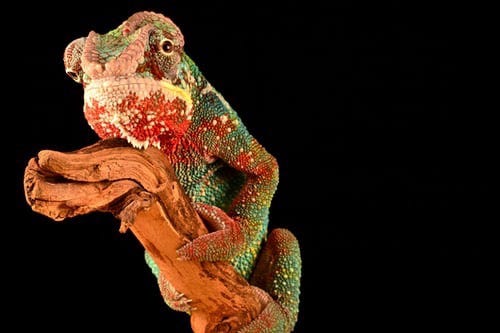
In writing this article all I had was the bare bones of explaining how to write to fit the image. Apart from that the article was lifeless and colourless. Then I went looking at some great random images and I saw this chameleon. Bingo! All I had to do was tweek the text to create the concept of being a word chameleon. It’s like doing a jigsaw puzzle, and it’s always very satisfying when you can fit all the pieces together.
To sign off, the image above helped me to create the subtitle and the opening and final paragraphs. It’s a loose, systematic approach with an element of randomness to help the creative juices flow. The result is a what we call a little pot boiler, but hopefully with its practical advice, a helpful one. Let’s see if it works in capturing your attention and helping you work more effectively in creating great articles.
As a demonstration of how I have used this way to write the story below in some great part came from the photograph I found. As I say, I simply wrote the story around the image.