Leaders | Leadership | Service
How to Be a Leader Worth Following
11 Amazing Universal Laws of Effective Leadership

Not one thing in this article is intended to be a political statement.
So if you’re getting any political statements from any of these universal laws, know that you’re making up your own story about it.
At the same time, in my 62 years on the planet, never have I seen a time that so loudly and clearly calls for all of us to be effective leaders.
And here we go:
1. The Law of Authoritarian Style
Authoritarian leaders lead by control and fear. It’s a “my way or the highway” approach. They believe their right to leadership comes with their title. This style works in the short term because those weaker than the leader will obey. The problem is this style guarantees rebellion, and therefore falls apart in the long term.
2. The Law of Authoritative Style
Authoritative leaders lead by example, respect and trust. Their position of leadership is earned. An authoritative leader is not interested in control. An authoritative leader is clearly and simply in charge.
3. The Law of Example
Leaders know they are watched, imitated and modeled. Everything they do is an example to those they are leading, and so they think and behave accordingly.

4. The Law of Vision
“Without a vision, the people perish.”
Leaders think long term. Because they know where they are going, everything they do has a clear purpose. Their vision guides their leadership.
5. The Law of Dictators
Dictators are impostors trying to look like leaders. Dictators foster blind, fearful and dependent followers. Dictators lord their power over their followers.
6. The Law of Leaders
Genuine leaders create not disciples, but other effective leaders. This is because leaders teach, even mentor, those whom they are called to lead.
7. The Law of Listening
Leaders listen.
They have to.
Without the ability to listen, leaders are only capable of responding to what is going on inside their own heads and hearts. That’s a dangerous thing, even for the best and wisest of leaders.
When listening, leaders can respond to what is going on inside the heads and hearts of those being led.
An effective leader needs both sources of information.

8. The Law of Understanding
Author Stephen Covey has said it best:
“Seek first to understand, then to be understood.”
Most leaders — most people for that matter — seek first to be understood.
“If only I could get them to understand, then they would follow me.”
From that misguided notion comes tremendous effort to “make” people understand.
There is an agenda, and it will be pushed.
Like many other paradoxes of life, just the opposite is true. Once you seek to understand first, your chance to be understood skyrockets.
So does your chance to lead.
9. The Law of You
You do not have to be the CEO of a large company to qualify for the title of leader. You can be a parent, a teacher, a sibling. Every child, every class, every group, every family needs a leader.
10. The Law of Clarity
Pastor Andy Stanley says:
“Clarity is the next best thing to certainty.”
It’s better to say “I don’t know” and be clear about it, than to fake it.
When life is uncertain, which it often is, clarity means being clear about what we’re doing next and the eventual goal.
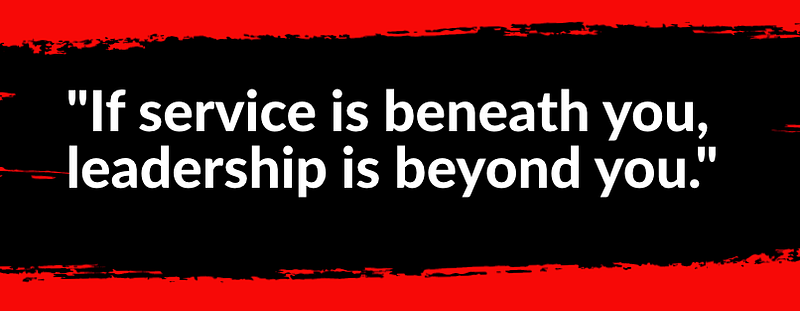
11. The Law of Service
I’ll close with my absolute favorite quote about leadership by Jerome Gay Jr.: