inspiration from Greg’s story and March Madness 2023, I decided to write an Artificial Intelligence (AI) risk assessment by applying an analogy from a basketball game scenario. Here it goes…</p><figure id="4e50"><img src="https://cdn-images-1.readmedium.com/v2/resize:fit:800/0*fpVGSOMrjxcWdPN5"><figcaption>Photo by <a href="https://unsplash.com/@benhershey?utm_source=medium&utm_medium=referral">Ben Hershey</a> on <a href="https://unsplash.com?utm_source=medium&utm_medium=referral">Unsplash</a></figcaption></figure><p id="58f0">During a basketball game, the players and the coaches are constantly assessing risks.</p><p id="5317">Each dribble, pass and step are part of the calculated thoughts that are visible from the player’s motions on the court. While this constant risk assessment is being carried out — and ideally through a coach’s strategy — the outcomes from every dribble, pass and step determine the momentum of the game: every motion has a consequence, for better or worse.</p><figure id="d337"><img src="https://cdn-images-1.readmedium.com/v2/resize:fit:800/0*vtiYi4NQ_jKUQ2ys"><figcaption>Photo by <a href="https://unsplash.com/@mroz?utm_source=medium&utm_medium=referral">Filip Mroz</a> on <a href="https://unsplash.com?utm_source=medium&utm_medium=referral">Unsplash</a></figcaption></figure><p id="fed5">For example, player A dribbles the ball down the court, looking for player B to make a pass, but little did player A realize that player C sought to take the ball away from player A (aka: a steal). When player C made a move to steal the ball, it caused a response from an irrelevant actor — the referee.</p><p id="3440">During this moment of the game, when player C tried to steal the ball from player A, the referee called into question player C’s action, and enforced order in the game by consulting a network of watchers. This network of watchers form part of an exterior network of watchers who have the authority to leave the game (aka: the audience).</p><p id="0616">At this juncture, the referee <i>had been</i> irrelevant in reference to motion between the players, but after the referee’s action to stop the game — by calling into question the steal — the referee at once became relevant in reference to time. In other words, there was a paradigm shift in the game, in which AI becomes a fo
Options
cal point in determining the outcome of the referee’s action, thus rendering the referee a relevant actor to the final score.</p><figure id="e7db"><img src="https://cdn-images-1.readmedium.com/v2/resize:fit:800/0*IRaAnUBZyoDmsC1Z"><figcaption>Photo by <a href="https://unsplash.com/@emanuelekstrom?utm_source=medium&utm_medium=referral">Emanuel Ekström</a> on <a href="https://unsplash.com?utm_source=medium&utm_medium=referral">Unsplash</a></figcaption></figure><p id="d141">The audience chooses to stay at the game, regardless of the referee’s actions which have completely stopped all momentum between the players. In fact, because they choose to stay at the game, it allows the AI to be a key part of the game’s final outcome. I’m of course referring here to the application of instant replay and official reviews during a basketball game.</p><p id="6d1c">I can’t help but wonder why we have got to a point where a significant amount of the time, and thus value spent, on a basketball game takes place during the play review.</p><p id="7734">This basketball game scenario serves as an analogy to explain AI risk assessments. It also serves as an explanation to how much impact AI is having on society’s standards for entertainment and time. Time becomes irrelevant, as all motion of the games comes to a hard stop during the play review. What will this mean for competition in the race for AI in the future?</p><p id="acca">Read more about AI with this story: <a href="https://readmedium.com/best-content-about-artificial-intelligence-ai-on-medium-7af02b6fa33b"><b>Best Content About Artificial Intelligence (AI) On Medium</b></a>.</p>
<figure id="96ea">
<div>
<div>
<img class="ratio" src="http://placehold.it/16x9">
<iframe class="" src="https://cdn.embedly.com/widgets/media.html?src=https%3A%2F%2Fwww.youtube.com%2Fembed%2FZ8QvIktyZe0%3Ffeature%3Doembed&display_name=YouTube&url=https%3A%2F%2Fwww.youtube.com%2Fwatch%3Fv%3DZ8QvIktyZe0&image=https%3A%2F%2Fi.ytimg.com%2Fvi%2FZ8QvIktyZe0%2Fhqdefault.jpg&key=a19fcc184b9711e1b4764040d3dc5c07&type=text%2Fhtml&schema=youtube" allowfullscreen="" frameborder="0" height="480" width="854">
</div>
</div>
</figure></iframe></div></div></figure></article></body>
How To Apply A March Madness 2023 Scenario To An Artificial Intelligence (AI) Risk Assessment
What a fantastic year of men’s and women’s college basketball in the USA!
March Madness 2023 was filled with excitement as 2023 seemed to be the year of the underdogs in college basketball. The national championship will be held on April 3, in Houston Texas, between San Diego State (SDS) and University of Connecticut (UCONN).
The Final Four match between San Diego State and Florida Atlantic was decided by a buzzer-beater.
Greg’s Medium story covers the topic of business systems and how they avoid scenarios of declining industries.
“Businesses also have two systems, which can sometimes conflict. One is immediate and operational. It seeks to optimize processes, gain market share and maximize profitability. The second builds capacity for the long term, by investing in employees, building trustful partnerships and creating new markets to compete for the future.”
Taking a mutual inspiration from Greg’s story and March Madness 2023, I decided to write an Artificial Intelligence (AI) risk assessment by applying an analogy from a basketball game scenario. Here it goes…

During a basketball game, the players and the coaches are constantly assessing risks.
Each dribble, pass and step are part of the calculated thoughts that are visible from the player’s motions on the court. While this constant risk assessment is being carried out — and ideally through a coach’s strategy — the outcomes from every dribble, pass and step determine the momentum of the game: every motion has a consequence, for better or worse.
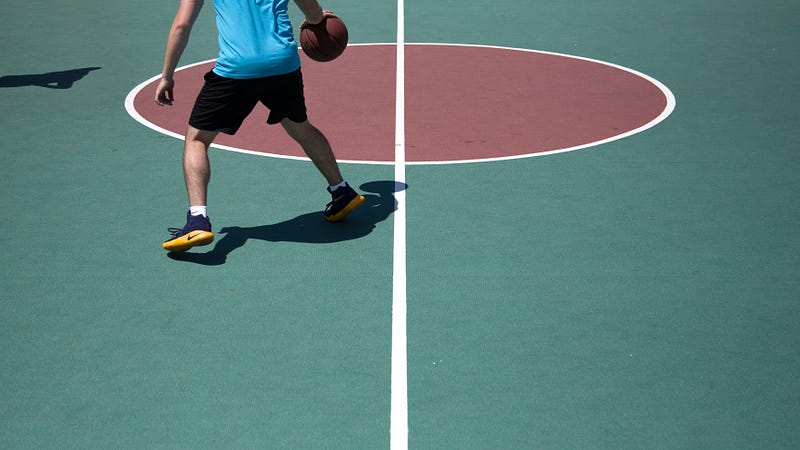
For example, player A dribbles the ball down the court, looking for player B to make a pass, but little did player A realize that player C sought to take the ball away from player A (aka: a steal). When player C made a move to steal the ball, it caused a response from an irrelevant actor — the referee.
During this moment of the game, when player C tried to steal the ball from player A, the referee called into question player C’s action, and enforced order in the game by consulting a network of watchers. This network of watchers form part of an exterior network of watchers who have the authority to leave the game (aka: the audience).
At this juncture, the referee had been irrelevant in reference to motion between the players, but after the referee’s action to stop the game — by calling into question the steal — the referee at once became relevant in reference to time. In other words, there was a paradigm shift in the game, in which AI becomes a focal point in determining the outcome of the referee’s action, thus rendering the referee a relevant actor to the final score.
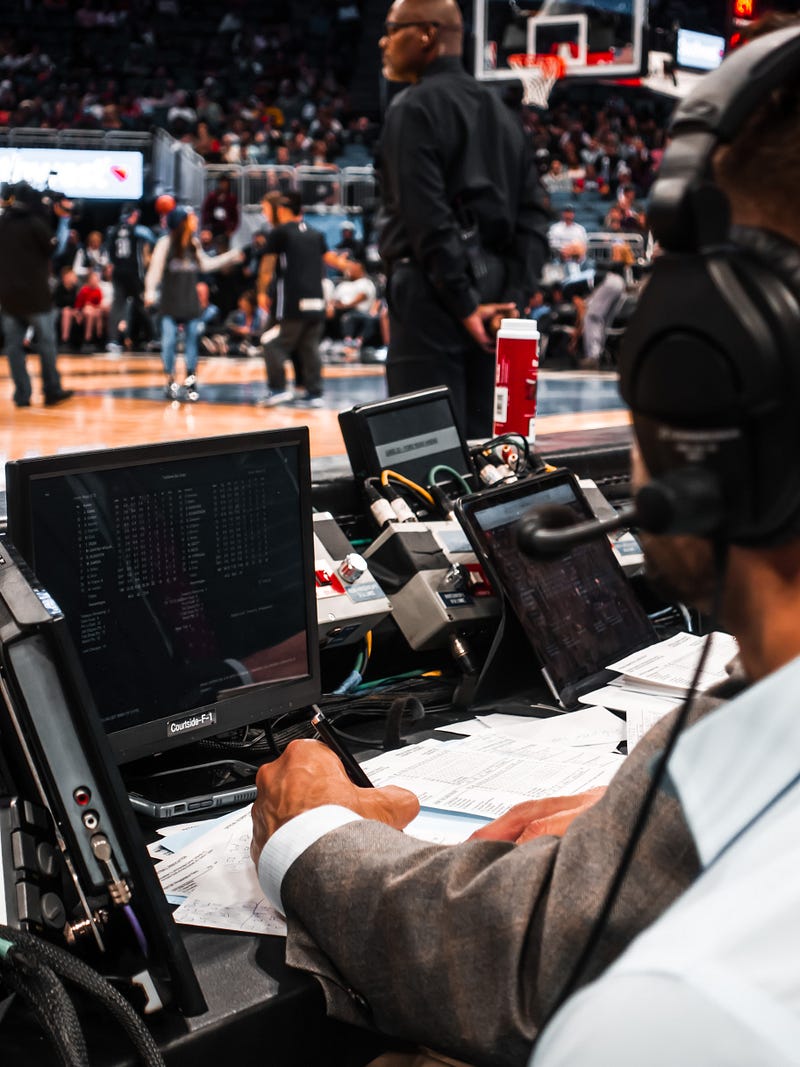
The audience chooses to stay at the game, regardless of the referee’s actions which have completely stopped all momentum between the players. In fact, because they choose to stay at the game, it allows the AI to be a key part of the game’s final outcome. I’m of course referring here to the application of instant replay and official reviews during a basketball game.
I can’t help but wonder why we have got to a point where a significant amount of the time, and thus value spent, on a basketball game takes place during the play review.
This basketball game scenario serves as an analogy to explain AI risk assessments. It also serves as an explanation to how much impact AI is having on society’s standards for entertainment and time. Time becomes irrelevant, as all motion of the games comes to a hard stop during the play review. What will this mean for competition in the race for AI in the future?