
How TikTokers Gave Birth To Alibaba’s “Animate Anyone” Model
The “Alibaba debate” might set precedents for AI models
Just recently Alibaba introduced its “Animate Anyone” model that allows to animate any image based on keypoints describing the movement of the human body, feet, hands and face.
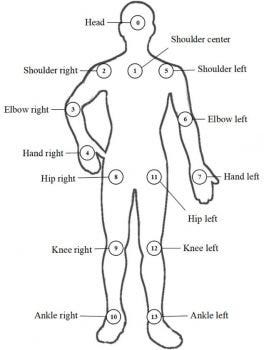
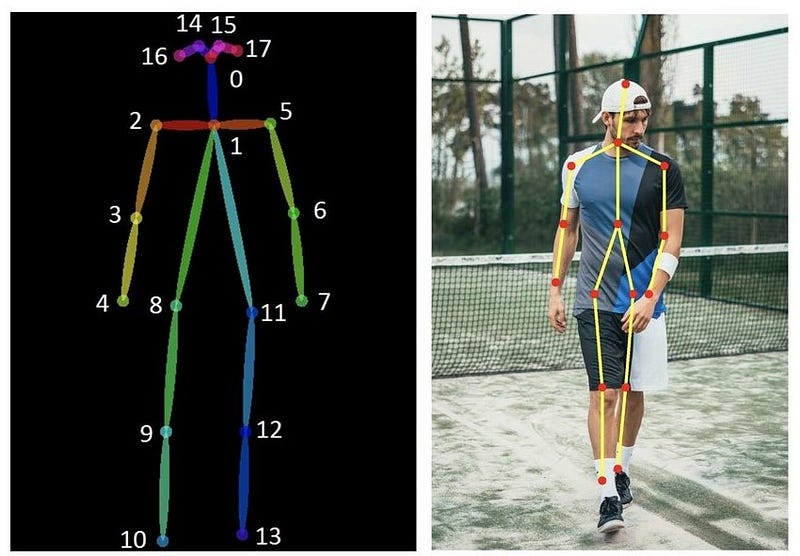
Alibaba is reportedly preparing the release of the model’s source code as well as a publicly available demo version. Meanwhile, the Youtube demo of the model’s capabilities is pretty impressive:
However, there is a moral debate about the creation of the model. It is said to have been trained on a data set that contains videos of famous TikTok creators and was compiled without the consent of the creators.
While the use of datasets created thanks to permissive data policies is not uncommon in academia, the use of the “TikTok dataset” for commercial purposes by a corporate giant like Alibaba has sparked a debate about the blurring of ethical boundaries and possible legal consequences.
On the other hand, such models would be a big step forward in the creation of AI videos. We can assume that the Alibaba debate will set precedents for how AI models will be (officially) trained and used in the future.
Links & Resources
- Guide to OpenPose: https://viso.ai/deep-learning/openpose/
- Collection of OpenPose files: https://openposes.com/
- Alibaba’s Animate Anyone: https://humanaigc.github.io/animate-anyone/