
BLACK HISTORY
How Three Historic Black Towns Were Destroyed by Racism and Greed
Morrisonville, Reveilletown, and Sunrise were wiped off the map
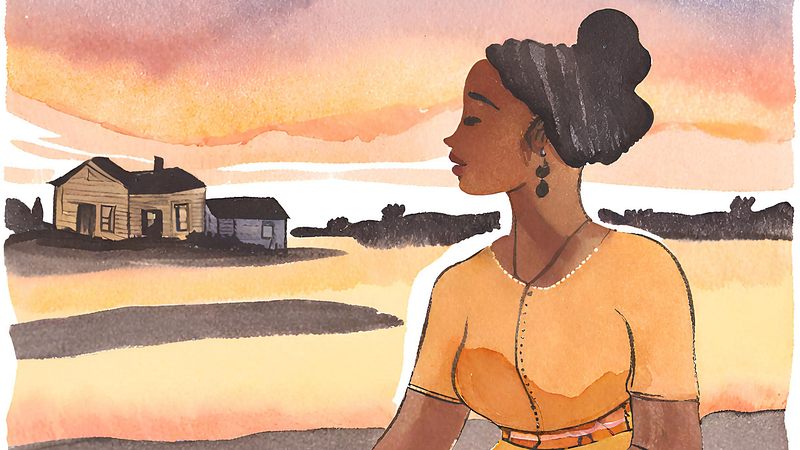
Learning black history can sometimes feel like turning on a light in a dark room. There’s a sense of enlightenment from learning about people, places, and events hidden behind lock and key. For instance, many students are unaware of the history of freedmen’s towns. After chattel slavery ended, the formerly enslaved established towns throughout the United States with the hope of living their lives in peace. And the story of what happened to these towns often becomes hidden history. For instance, Morrisonville, Reveilletown, and Sunrise were all towns founded by formally enslaved people in Louisiana, yet none still stand today. How did this happen?
Morrisonville, Louisiana
In the days after the Civil War, white domestic terrorism was a common phenomenon throughout the South. Groups like the Ku Klux Klan would burn churches, schools, and businesses owned by Black people. However, not every predominately Black town was destroyed through direct violence, as during the Tulsa Race Massacre of 1921. Some became victims of white corporate greed. For instance, Morrisonville, Louisiana, a small town in Iberville Parish, was established by enslaved Black people who were freed from a plantation in Plaquemines during the 1870s. However, now a plaque is all that’s left, and it’s commonly referred to as a ghost town or lost town.
The Black residents of Morrisonville were able to establish a thriving community, but their progress was cut short when Dow Chemical Company built a vinyl chloride factory nearby in 1958. For years, citizens complained about the pollution but were ignored. Their plant was so close that residents could hear announcements from the factory in their homes. Vinyl chloride exposure has been associated with an increased risk of developing liver cancer, brain and lung cancer, as well as lymphoma and leukemia. Yet, it wasn’t until 1989 that Dow Chemical Company agreed that their plant was responsible for causing harm to the black community. However, instead of closing the plant down or making changes to ensure they weren’t polluting the local environment, they offered to buy the property from Black residents and relocate many of them to Baton Rouge. They were faced with an impossible decision: either stay in their homes and risk dying from exposure to chemicals or leave.
Reveilletown, Louisiana
Like Morrisonville, Reveilletown, Louisiana, was also founded by formerly enslaved people during the 1870s, this time across the Mississippi River from Baton Rouge. This town was small, approximately six acres, but was beloved. However, now, all that’s left are oak and pecan trees. As the general manager of Georgia Gulf, Edward A. Schmitt, noted when the company began buying property from Reveilletwon during the 1970s a few years after building the plant, “We didn’t need the six acres for expansion, but it serves as a buffer zone if there was a major release.”
In other words, when Georgia Gulf, the corporation responsible for building a vinyl-resin plant, was established in Plaquemine, less than a thousand miles away from Reveilletown, they knew that Black residents were living too close by — the entire project was irresponsible and racially motivated. As with the case of Dow Chemical and Morrisonville, Georgia Gulf paid residents to leave their homes and communities. They only offered to buy Black residents’ property after their air, water, and ground were polluted. “In 1987, traces of vinyl chloride were discovered in the blood of children from nearby.”
Sunrise, Louisiana
Lastly, the town of Sunrise, Louisiana, was founded in 1874 by a formerly enslaved man named Alexander Barnes. Sunrise is credited with being the first integrated city or town in Louisiana. Eloise Ferdinand Jack, a former Sunrise resident, noted, “We went to segregated schools, but we still played together,” when interviewed in The Riverside Reader in 1996. By the 1990s, the town consisted primarily of Black Americans, as White residents had moved to surrounding suburbs and cities. You see, Placid Refining Company, a large oil refinery, was constructed in 1972 adjacent to their community, causing the property to decrease in value.
While most of the White residents were offered early settlements, Black residents had to sue to be offered compensation to move. Now, only a plaque and a few trees remain as the only reminders of this community. By now, you’re likely noticing a pattern. Like Morrisonville and Reveillville, the town of Sunrise fell due to white corporate greed. EPA data demonstrated that “the air around this location is estimated to be more toxic with cancer-causing chemicals than 85% of the seven Mississippi River parishes between Baton Rouge and St. Charles.” Those living in close proximity to the factory were exposed to toxic metals and gasses such as nitrogen oxides and carbon monoxide, to name a few.
Black Americans are often lectured and told that they should work hard and become self-sufficient. However, the numerous freedmen’s towns that arose after the Civil War prove they weren’t lacking perseverance, resilience, or self-sufficiency. Nevertheless, their communities were attacked, sometimes by deliberate acts of violence and other times by more subtle instances of systemic racism in the form of corporate greed. The stories of Morrisonville, Reveilleville, and Sunrise highlight how white-owned companies systematically harmed black communities by releasing toxic chemicals into the surrounding environment, forcing them to leave their homes.
So, instead of asking Black Americans why they haven’t overcome, isn’t it time to ask why they’ve faced so many barriers in the first place, why profits are so often prioritized over the health and well-being of black communities? Pan-African activist, journalist, and entrepreneur Marcus Garvey once said, "a people without knowledge of their past history, origin, and culture is like a tree without roots.” And yet, in Louisiana, students are not taught about these towns, founded by formerly enslaved people. They only seem to exist in brief museum references and the memories of the surviving residents.
🌹Learn more about the author here.


