Society
How This Pandemic Has Changed the World Forever
Social Interactions, Communications and Healthcare May Have Changed Forever in This World
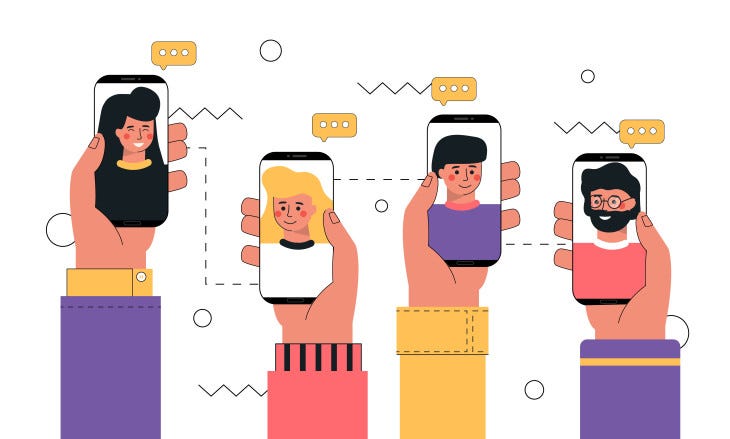
After more than 10 million cases and 500,000 deaths, this pandemic continues to rage on in many parts of the world. As many countries have emerged from lockdowns and social distancing guidelines are reducing, several aspects of our lives are likely to change forever. The way we greet people will likely change for a long, long time to come if not forever. Handshakes and hugs may become a thing of the past. Socialising in groups more than a specific size may no longer be allowed, and big mass gatherings will likely become a rarity. Even the way we seek treatment from doctors may change permanently. Video calls may take over physical interaction, and instead of eating dinner at a restaurant with someone else, we may eat dinner looking at the camera of our devices. We must be prepared for a new way of living.
The coronavirus thrives in areas of close contact and interaction with a higher number of people will lead to more spread of the virus. As the future of infectious diseases is unknown, disease outbreaks will likely happen sometime in the future. Our experience and learnings from this pandemic may be of significant use not only to do with the understanding of the disease but also adapting our lifestyles. We have now become accustomed to lifestyles of isolation and limited social interaction. Although many of us would prefer to socialise and go out to restaurants, bars, cinemas, we have found a way to do these things at home. Instead, we order in food, watch a movie on Netflix or do a Zoom call. We have all been forced to adapt our lifestyle to the current times. This highlights one of the most exceptional abilities of humans — our ability to adapt to the challenges. For many of us, living in isolation impacted our mental health, but our new lifestyles will serve us well for the future due to the uncertainty of outbreaks.
Over the coming years, the travel industry may never be the same as what it was before this pandemic. Business travellers may reduce as more communication and interaction can be done online without requiring face to face contact. The incredible rise of Zoom, Skype, Google Meet, will all facilitate this change. Important business meetings may now happen from the comfort of our homes instead of in fancy conference rooms. People may become warier of going on holidays to other countries and may opt for road trips instead. Families may also choose to do a staycation instead of travelling halfway across the world to stay in a resort. Aspects of our lifestyle will likely have changed forever. The fact is that we will have to compromise in many aspects of our lives. Your dream holiday destination may no longer be open to tourists, and therefore we all must find ways to recreate these experiences with what we have. This has been the crisis of a generation — we must find a way to fight through it.
Doctor’s may opt to do video consultations with only the most necessary required to come into a clinic or a hospital. Instinctively many of us would avoid going into healthcare facilities unless we needed to. At this point, we may also need to become more responsible for our own health. I wrote an article about this here. We may get medicines delivered to our house instead of going to the pharmacy. The home delivery business could become the fastest growing area. New companies are being set up to supply food, groceries, medicines and even haircuts. Competition in this industry may become incredibly high. It shows how we need to adapt to our ever-changing world continually. Yet the profession of medicine that we once thought could never be replaced by robots or technology may slowly move towards technologically based mediums.
Despite all the negatives from this pandemic, the environment benefited from reduced carbon emissions. There were fewer cars on the road, planes in the sky and more people stayed at home. If the future holds more remote work and learning, it may naturally help to reduce global warming, climate change and destruction of habitats. It is essential to sustain this progress and that we all take measures to reduce our carbon footprint. Many countries have prioritised green energy and are moving towards decarbonising the economy. The reduction in carbon emissions needs to continue. It would be pointless if our carbon emissions return to the pre-pandemic levels. However, the increased use of technology and remote working and learning may reduce our need to travel. With less travel, one can hope that the reduced carbon emissions may be sustained for the foreseeable future. We cannot just rely on other people reducing their travel and working remotely, and we must all take active action. The time is now for us to incorporate activities that reduce carbon emissions part of our daily lifestyle and promote it within our communities. It is only with our collective efforts that we may be able to reduce the rate of global warming and the destruction of habitats.
As the world is slowly emerging from this pandemic, many aspects of our lives will change. These changes may be for the better or worse, but our social interaction will likely be reduced for the foreseeable future. Different countries and world leaders may take different positions on this, but everyone wants to stop outbreaks from happening again. Our day to day life may become more associated with technology through video calls, apps for delivery services and consultations with doctors. As the future is uncertain, our learnings and a new lifestyle may have been the best preparation for the future.


