
Julian Is a Mermaid by Jessica Love
A beautiful picture book of a boy discovering about himself.
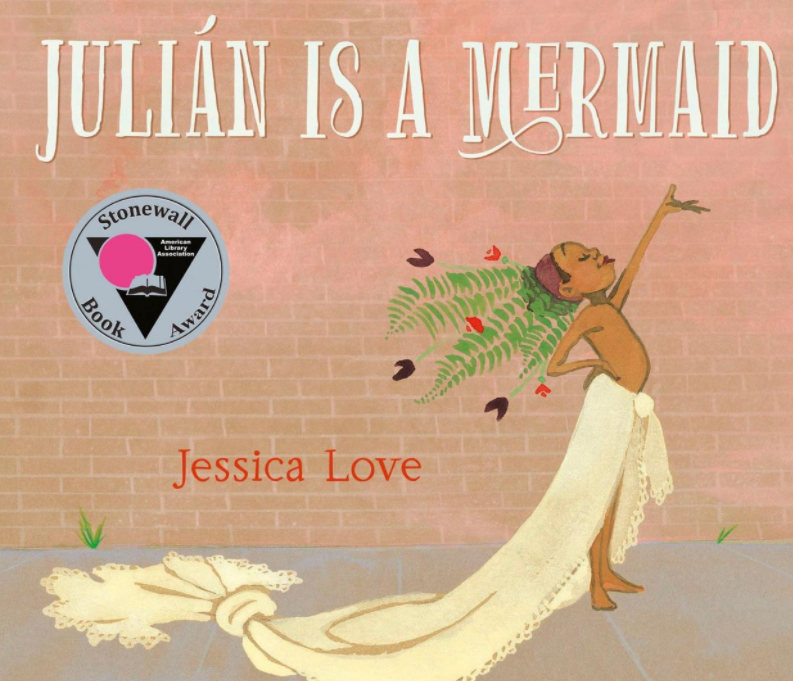
The book’s main character is a boy called Julian, who wants to be a mermaid and spends his time dreaming about it.
The author used an interesting metaphor of mermaids to create conversations around the topic of self-acceptance and inclusion. The book starts you thinking ‘Why would a boy want to be a mermaid? What is so special about mermaids?’
I made me ponder — If I could be someone else for a day, who would it be? What would I do?
Julian and the mermaids in the book provoke you to ask questions related to our real world. Similar to our day-to-day ‘dramas’ which we encounter in real life. The book encourages readers to imagine what it would be like to walk in the main character’s shoes.
Who am I trying to be or should be? Why do I need to be like someone else? What do my friends think about me?
As Julian and the mermaids continue in their ‘make-believe’ world, I kept thinking about the real-world around me.
I start to probe about issues on diversity and discrimination in Malaysia. We live in a world where our economic and social policies are somewhat drawn based on race or religion. I am curious if Malaysian parents will introduce the book to their children and talk about the inclusiveness in our society.
This is one of the many reasons I love this picture book. This book makes us think and reflect. The book creates space for readers to question their perception of what’s right and wrong, about people of color, cultural bias, feelings, or self-acceptance.
For instance, on the page where Julian is taking off his clothing.
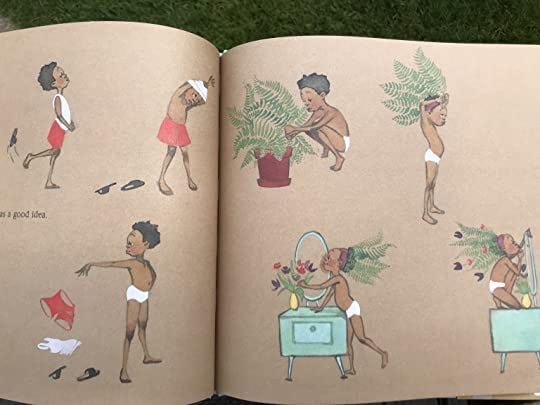
Readers could think and ask,
Does he not like his clothing? Is it the fashion? Was the clothing covering the real Julian? Was the clothing preventing him from being free to express himself?
Or maybe
What is Julian seeking by wanting to be a mermaid? Why is he trying to be someone else?
The questions are reflective and it is worth the time to seek answers.
With the text and illustration of the book, each page prompts readers to seek their own subconscious. They create an opportunity to re-evaluate thoughts and life choices. It opens to meaningful conversation.
Most adults underestimate the power of picture books. Some will brush it aside, saying it is either too simple or too complicated.
Many may opt for the usual predictable type of stories, which comes with familiar fairy tale endings. But we know life is a journey and has its ups and downs. As for Julian’s ending, the author inscribed two beautiful lines as closure for readers to rejoice with this little ‘mermaid-boy.’
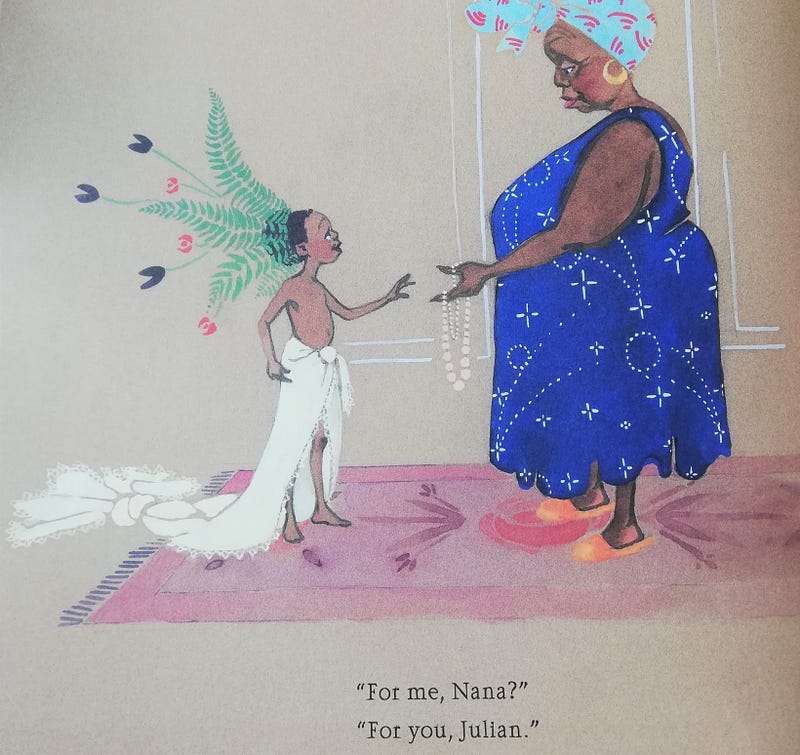
“For me, Nana?”
“For you, Julian.”
Simple dialogue but yet powerful— Finally acceptance of who he is.
The New York Times Book Review summarized the book as follows.
This is Jessica Love’s debut picture book, and every choice she makes — the spare text, a color palette, both muted and lively, full-bleed pages that make even subway cars and apartment rooms feel as expansive as the ocean — imbues the story with charm, tenderness, and humor… Alongside Julian, readers learn that anyone can be a mermaid: All it takes is love and acceptance, a little imagination and a big swishy tail.’
Thank you for reading.