
How the Western World Will Adopt Face Mask Culture like in Asia
The stigma of face masks in Western countries will cease to exist and become more culturally accepted.
The pandemics deadly scourge has brought the world to a standstill and will bring many changes, face-covering being one of them.
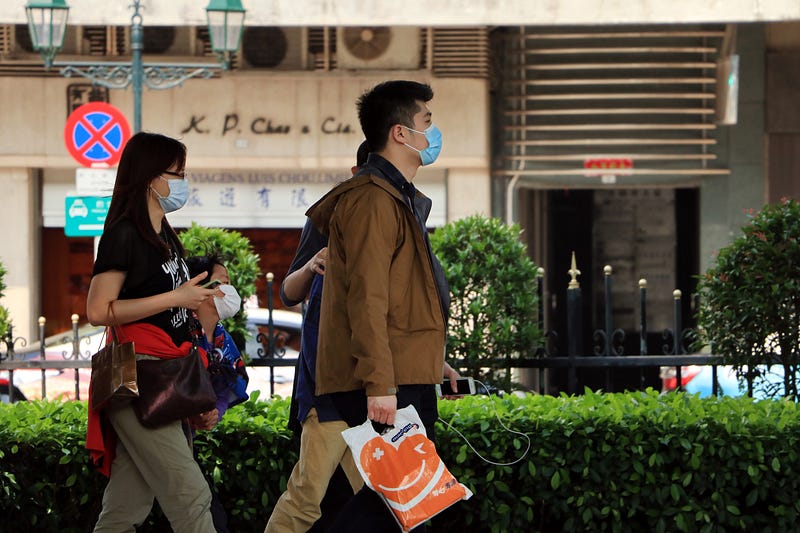
Unlike the Asian World, Western countries brushed the important of face masks aside, concerning themselves more with hand-washing and social distancing. All the while, COVID-19 ravaged though the West with a deadly force that took us all off-guard.
Governments in the West maintained that face masks weren’t necessary. This wide-spread statement was bolstered by the World Health Organization that repeatedly maintained the lack of evidence on the usefulness of face-masks. This was contradicted in East Asia with claims that masking is a vital tool against contagion.
After the SARS epidemic, Chinese scientists published a research article in the scientific journal ‘Emerging Infectious Diseases.’ The report found that, “persons who always wore masks had a 70 per cent lower risk of being diagnosed with clinical SARS compared with those who never wore masks.” It’s unclear whether the World Health Organization knew of this research.
This anti-mask phenomenon has ceased to exist after strong evidence correlated between face coverings and the slow down of COVID-19 growth rate. Now, most Western Countries require citizens to wear face-coverings. The World Health Organization has also changed its tune and recommends face masks for the general public.
Two astounding real-life cases prove the vitality of face masks. A man flying from China to Toronto had unknowingly boarded the flight with the Coronavirus. He made the right decision to wear a face mask and the 25 people sitting near him had all tested negative despite reports stating he had a dry cough. In another case, two hair stylists in Missouri had close contact with 140 clients while sick with COVID-19. Everyone wore a mask and none of the clients tested positive.
Before the pandemic, face masks had been a cultural norm in East Asia. This trend took root after the SARS outbreak in 2002 that hit that part of the world particularly hard. Since then, face masks have become a common sight in China, South Korea, Japan, Taiwan and elsewhere in East Asia.
Face-coverings had become a tool for protection against infectious illnesses, air pollution or for other non-medical reasons. For instance, in Japan some choose to wear face masks as a method to combat public anxiety. In these parts of the world, face masks do not carry the same stigma as the West and is more socially acceptable.
The likelihood of this trend spreading to the Western World is high despite face masks being seen as a hindrance on freedom. Air pollution and climate change is growing steady. As the spread of globalization continues, new pandemics illnesses are bound to arise. The need to protect oneself from severe air pollution and new viruses using face masks is highly likely.
COVID-19 will impact the cultural use of masks in the Western World the same way SARS did to East Asia. Don’t be surprised when face masks will become the norm of our everyday life, even after the post pandemic world.


