
How The Pressure To Do It All Can Affect Your Mental Health
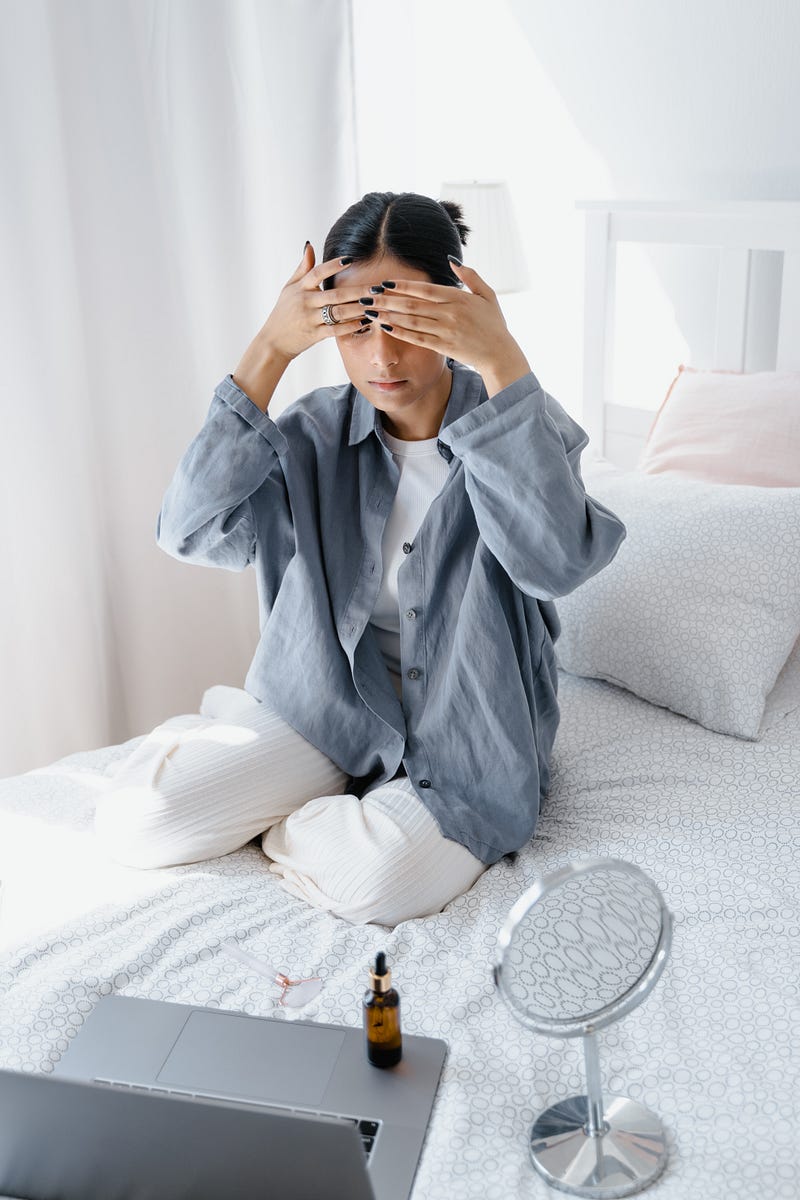
Without a doubt, since January started, I’ve felt this undeniable pressure to do it all and make sure I did it all well. Lately, I’ve been wondering if I do too much, but now isn’t the time to scale back and shy away.
When the pandemic got really bad in 2020, just working from home 24/7 quickly resulted in me overworking. I’m someone who has no problem being alone and in my creative world.
However, just recently, I’ve been restless about taking some career prospects of mine to the next level.
Artists and creators have gotten seriously messed over in this pandemic. Thousands upon millions of individuals have turned to the Internet to get their voices heard, content out, and seen by the masses.
This has made me feel like I’m a teeny, tiny little needle lost in a thousand-foot mound of a haystack. It’s a flustering and frustrating feeling to put in so much time in work that saves me on a daily basis and not knowing precisely who it’s benefiting or if my work is making any difference for others at all.
At the end of each week, since early December, I’ve been tracking my progress in my planner and preplanning for the week ahead. While this is great to do, I’ve noticed an increase in my anxiety and restlessness. The weekend should be about resetting and recharging our batteries.
The opposite has been happening.
Restlessness, according to every wellness publication, leads to anxiety and depression, resulting in a ripple effect of compounding depressive symptoms and heightened levels of stress. And, no, I won’t be delving into how operating on stress constantly can affect your health. I’m sure you already know this information.
As I was preplanning the content I want to publish in the next seven days, my mind kept drawing blanks, and had to put the pen down.
Frankly, I’ve noticed this hangup quite a bit. In recent weeks, I journaled about these mental blocks I’ve experienced. I discovered that rushing the process of coming up with ideas only exacerbates these delays. Consequently, I began feeling panicked about not coming up with enough ideas to sustain a solid ebb and flow in my professional life as a creator.
Since I’ve become aware of this pressure, I’ve been taking more time to myself to engage in projects with no deadlines. I’ve been spending more afternoons and evenings focusing on my meditations and doing things that make me feel calm and nourished.
Even though I’ve been glued to the insides of my home because of the pandemic, so much in my world keeps on happening and moving at the speed of light. I also realized you’ve got to live your life and not dwell on work, the need to go-go-go while obsessing over potential outcomes.
If you’ve found yourself in the same boat, consider taking several steps back and doing things you enjoy. Instead of focusing on going, going, going, it’s moments of stillness and silence that can get you back to a nice ebb and flow.
Bottom Line
The constant pressure to keep cranking out work like you’re a machine as opposed to a human being is the quickest route to burnout. It took me a long time to realize that anxiety and depression go hand-in-hand and have their own agendas as well.
Mental and creative blocks occur because we’re viewing ourselves as energizer bunnies that can continuously pluck ideas from thin air. Living your life and doing things for fun will get you out of this cyclic pattern of mental blocks and hangups.
I read an article a while ago, in the Wall Street Journal, about how being more productive starts with doing nothing. It was in a moment of forced relaxation when an author noticed she was utterly burnt out. Simply doing mundane activities with another approach is how to break this vicious cycle.
For instance, the author suggested taking a nature walk and leaving the FitBit at home. We get so fixated on competing against ourselves, to be better than we were the day before that we forget about the big picture of what living means. This mindset feeds pressure and anxiety and will have a spiraling consequence. She suggested merely enjoying the outdoor wandering and forgetting about the race.
Life shouldn’t be lived as though you’re running a marathon, are in competition with yourself, or where you think you should be the next moment or tomorrow.
When I feel like I’m giving in to these pressures and difficult emotions, I immediately stop what I’m doing and reshift my mindset. All it takes is moments of stillness and silence to change mental functioning. Engaging in the tranquility of nothingness gets me in the right headspace and feeling much more balanced.
Shoutout to Yousuf Rafi for a piece he wrote: “9 Micro Habits For a Happy Life.” Check it out below.
“Spending alone time is a habit that you must master. Because there will be times in your life where no one will be there and to survive those times, you must learn to survive alone. Figure out things that make you happy and do those things in alone time.”