
How the Pandemic Changed Teaching Forever
What We Learned Teaching Remotely
Bygone Days
For years as a high school math teacher, I pushed forward regardless of the circumstance. I had twelve chapters to cover out of the text and I was going to hit all twelve chapters by the end of the year no matter what.
I was driven by individual concepts known as standards and I wanted to finish the year saying that I at least gave every single student the opportunity to be exposed to the standards.
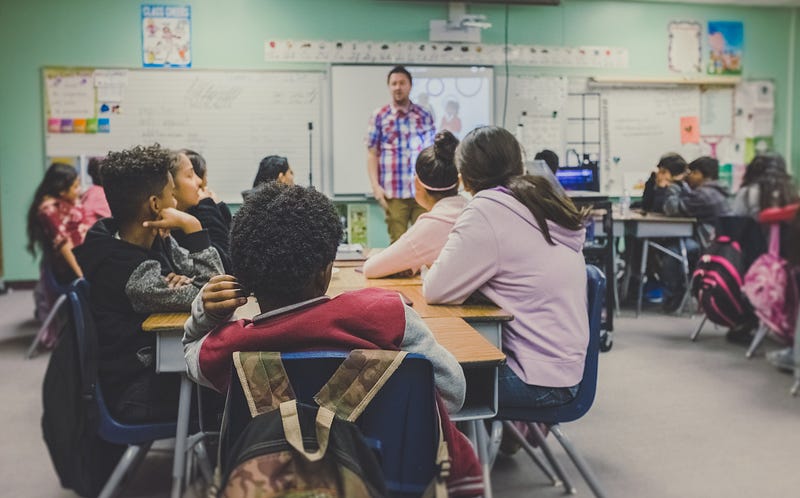
But the problem has always been, exposure does not equate to learning. Year after year, a huge percentage of students in every class had to be retaught, or re-exposed anyway, to the standards that were not retained.
It is a never-ending cycle. We hurried up to get through the new material but slowed down because we had to reteach the old material. Trying to squeeze in review and remediation made less time for the new material, so we would hurry through that.
Distant Teaching
Then, the pandemic happened. Students were sent home for the rest of the year after Spring Break and the district administration told us to freeze their grade. They had only been exposed to two-thirds of the material, but they got full credit for the course.
It shouldn’t have made much of a difference. We still would have to reteach the same material anyway. In fact, the way math classes work in the United States, much of the overlap is built in already.
However, the kids didn’t come back to us the next year. The stayed home and supposedly learned remotely. Academically, it was a disaster. Students, it turned out, when left alone in their room with a computer would rather sleep, play video games, or do anything else but math in an online class.
Often, they would use friends, apps or Google to work their homework and to take tests. If I tried to counter this by requiring a camera to be turned on, suddenly, the camera was not functioning. If I tried to enforce strict timelines, conveniently, their internet went down.
Grace Replaced Rigor
The theme from the administration was grace. Give the students grace. Times were tough. They were mentally fragile. So, we gave them grace. Turn the test in whenever you get it done. Most everyone got As. Hardly anyone learned what they needed to learn.
But what did they need to learn? We discovered the answer to this question was not as straightforward as we once thought.
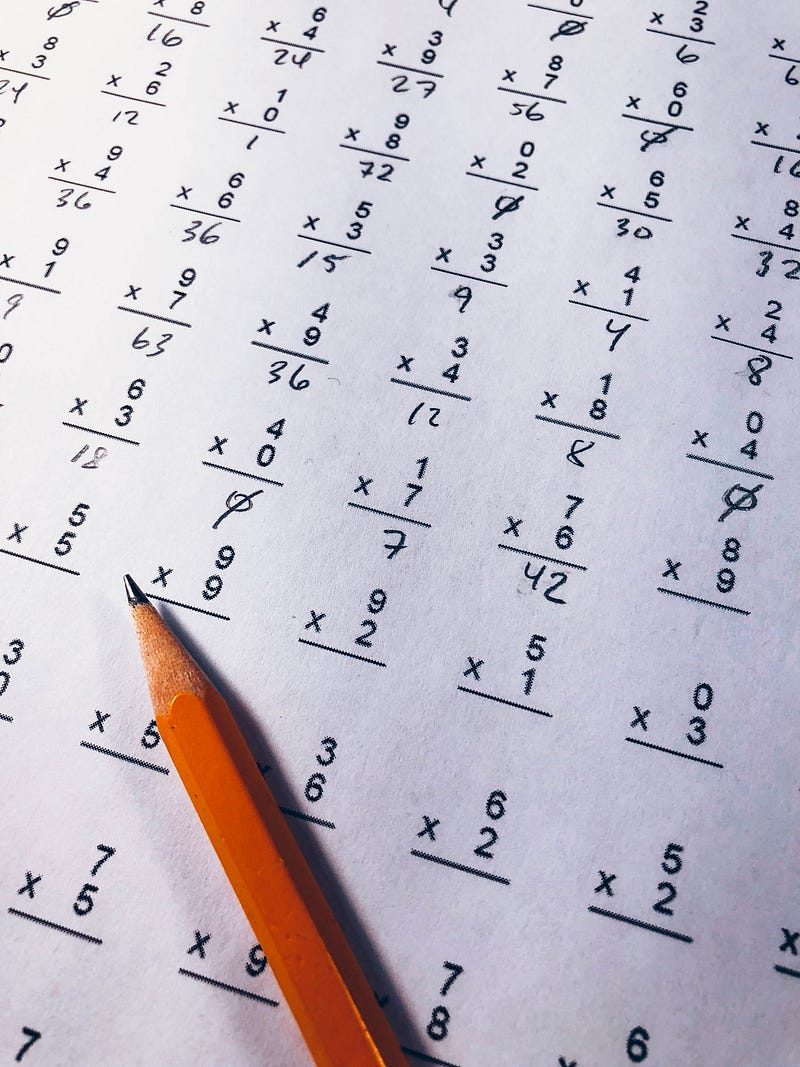
We found out the world did not stop if the students did not know how to use the quadratic formula, had not read The Great Gatsby or didn’t know the French word for library.
I am not saying school isn’t important. I am just saying specific standards are not as important as we once thought.
Schools should be about problem solving and critical thinking. How we get there can vary by class, year, or pandemic. So, you don’t get through everything on your list to teach. It is not the end of the world. Have students reason through challenges and even struggle somewhat and they will grow. It doesn’t matter the subject.
We also learned how important school is to the well-being of the students. For many, schools are safe and comfortable places to be in an otherwise frightening and chaotic world.
I am not sure what my students learned during the pandemic, but I know I learned that my importance as a math teacher is not always about teaching the quadratic formula.


