
How the Drone Attack on US Troops in Jordan Could Escalate the Middle East Crisis
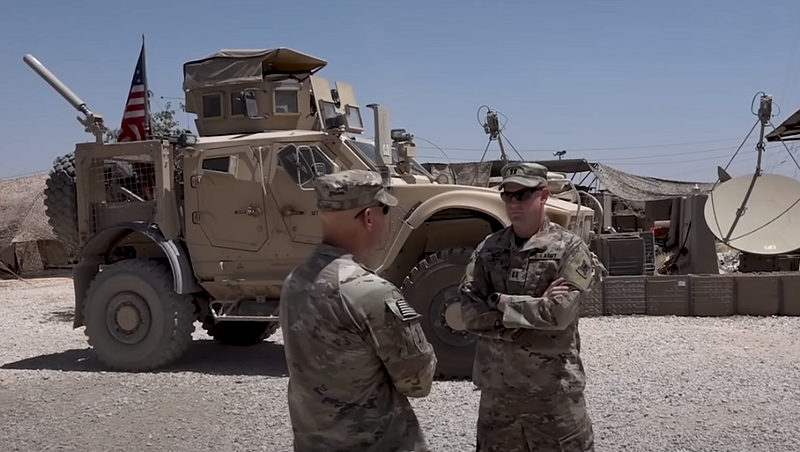
On Sunday, January 28, 2024, a drone hit a US outpost in Jordan known as Tower 22, where about 350 US Army and Air Force personnel are stationed. The base is near the al-Tanf garrison in Syria, which is a key site for the US-led coalition against the Islamic State group. The drone may have been mistaken for an American one, and there was no attempt to shoot it down. A trailer where troops were sleeping was hit by the blast, killing three soldiers and injuring about 40 others.
This was the first deadly attack on US forces in the Middle East since the start of the Israel-Gaza war in October 2023, which has killed hundreds of people and displaced thousands more. The attack has sparked fears of an escalation in the conflict in the region, and raised questions about the US withdrawal plan from Iraq.
Who is behind the attack?
President Biden said the attack was carried out by “radical Iran-backed militant groups operating in Syria and Iraq”, and vowed to “respond at a time and in a manner of our choosing”. The Pentagon blamed the attack on the Islamic Resistance in Iraq, a coalition of numerous Iran-backed groups. The attack was claimed by a group called the Guardians of Blood Brigade, which has previously targeted US forces in Iraq.
Iran has denied any involvement in the attack, and accused the US of trying to create a pretext for war. Iran’s foreign ministry spokesman said the US should “end its illegal and destabilizing presence in the region” and “stop supporting the Zionist regime’s crimes against the Palestinian people”.
The attack comes amid high tensions between the US and Iran, which have been at odds over Iran’s nuclear program, regional influence, and support for militias. The US withdrew from the 2015 nuclear deal in 2018 and reimposed sanctions on Iran, which in turn reduced its compliance with the agreement. The Biden administration has expressed interest in reviving the deal, but the talks have stalled over the sequencing of sanctions relief and nuclear steps.
What is the US doing in the region?
The US has operated bases around the Middle East for decades, for different reasons and with the permission of each country’s government. In some countries like Iraq and Syria, US troops are there to fight against the Islamic State group and to train and advise local forces. But they have also come under attack from Iran-backed forces over the past several years, and have taken action against them.
The US and Iraq agreed in July 2023 to end the US combat mission by the end of the year, and to shift to a training and advisory role. The decision was based on the progress made by the Iraqi security forces, and the desire to reduce tensions with Iran, which backs some of the militias that have been attacking US targets in Iraq.
However, the withdrawal plan has faced challenges, as the security situation in Iraq remains fragile and the threat of the Islamic State group persists. The US has also been reluctant to leave some of its strategic bases in Iraq, such as the Ain al-Asad air base, which hosts about 2,000 US troops and was hit by Iranian missiles in 2020.
In Syria, the US has about 900 troops, mostly in the northeast of the country, where they support the Kurdish-led Syrian Democratic Forces (SDF) in their fight against the Islamic State group. The US also has a small outpost near the Syria-Jordan-Iraq border, known as the al-Tanf garrison, which is used to monitor and counter the movements of Iranian-backed militias and the Syrian regime forces.
The US presence in Syria has been controversial, as it lacks the authorization of the Syrian government and the UN Security Council. The US has also faced pressure from Turkey, which considers the Kurdish forces as terrorists and has launched several military operations against them. The US has tried to balance its support for the Kurds and its alliance with Turkey, but the relationship has been strained.
What are the implications of the attack?
The drone attack on US troops in Jordan could have serious consequences for the stability of the region and the prospects of diplomacy. This event could trigger a US retaliation against Iran or its proxies, which could in turn provoke more attacks and escalate the cycle of violence. This strike on a US base could also undermine the US withdrawal plan from Iraq, and increase the pressure on the US to maintain or even increase its presence in the region.
This could also affect the ongoing negotiations on the nuclear deal, which are already facing difficulties and delays. It could harden the positions of both sides, and reduce the trust and goodwill needed for a successful outcome. It could also embolden the hardliners in Iran, who oppose the deal and favor a more confrontational approach to the US.
This escalation could also worsen the humanitarian crisis in the region, especially in Gaza, where the war between Israel and Hamas has caused widespread devastation and suffering. It could divert the attention and resources of the international community from the urgent needs of the people in Gaza, and reduce the chances of a ceasefire and a political solution.
The attack could also have implications for the global security and energy markets, as the Middle East is a vital region for the world’s oil supply and trade routes. It could increase the risk of disruption and instability in the region, and raise the prices and volatility of oil and other commodities.