
How the Coronavirus Is Affecting Online Retailers
A discussion on what’s happening and what to do because of it

Things change rapidly with the coronavirus. Just over a month ago, there was anticipation around the general election in Ireland as Brexit chatter fed our appetite for controversy. There was very little talk about a virus emanating from the east.
Today its a lot different.
Global markets are like waterfalls, they continue to plummet. Drastic measures are being unveiled to alleviate a global pandemic at home and abroad. One nation after another is going into lock-down, quarantine is rife.
So what does this unprecedented event mean for online merchants?
This article will take a look at the impact that the coronavirus is having on the online industry and the important role of marketing and supply chain
The Coronavirus and Online Trade
There’s evidence that some online stores are prospering in the face of the virus. I’ve spoken to a few merchants who’ve said that their sales are 50% to 100% higher than they were this time last year. Although the long term impact is highly uncertain. Some eCommerce stores are experiencing a significant spike in sales, especially those supplying healthcare or flu-related products, even those supplying educational products. One retailer said to me:
“This fortuitous outcome is unlikely to last if we fail to act with renewed purpose.”
For example, online retailers who source goods from China cannot know the real implications that this epidemic will have on their supply chain. Nor how it could impact the demand for Chinese-made products as they emerge. If the outbreak worsens, a lot of companies will be forced to downsize.
In fact, it’s already underway.
The travel industry is particularly at risk; it’s likely that every industry sector will feel the effects of the aftershock at some point down the line.
Restaurants, bars, clubs, and public services have closed, temporarily for now. Likewise, bricks and mortar retail stores are directing consumers online.
Some believe that e-commerce companies are set to benefit from the coronavirus. This may be true, but it’s too early to say for sure as the true impact is only starting to unfold in Europe and North America. What happened in China serves as a warning. After a month of lock-down, China experienced an unprecedented collapse in production, investment, and business confidence.
Despite the surge in online shopping — retail was down by over 20%. It doesn’t end there. Early data indicates that the following months are expected to be worse or similar at best. The point is that what happened in China is likely to repeat throughout the world. As Chinese production comes back online, obstacles still remain to ship goods given the travel restrictions, outside China.
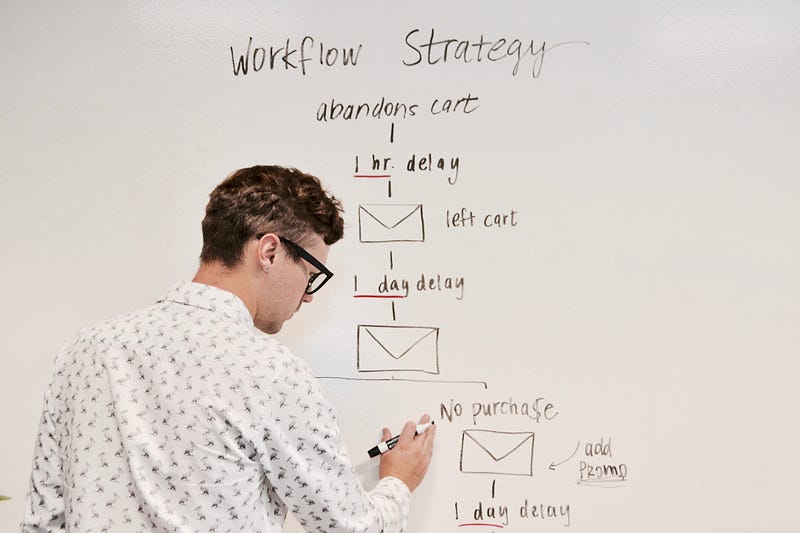
Multichannel Virus Navigation
The same obstacles exist for businesses with no dealings with China. Every company is responsible for the health and well-being of its employees. This means that production and transport will be affected worldwide, as restrictions apply to every country. Order processing and fulfillment, therefore, requires even more attention, as most companies outsource all or part of this process.
The fact is, many online retailing companies were unprepared for the coronavirus. Who was prepared? That said, there are measures that can better position your online business and supply chain going forward:
- Communication focus: Regular communication will not only help your business but also develop a stronger relationship with your consumers and your suppliers. So it’s time to leverage your marketing collateral.
- Continuity planning: Analysing critical areas can reveal backup plans for communications, marketing, transport, and cash flow. Regional order fulfillment partners can take care of your international customers and your marketing team can relay this message.
- Reducing dependencies: Taking time to understand the vulnerable chinks in your supply chain is a wise investment. So take action to reduce the extent of your dependencies. For example, it’s not ideal to rely on a single supplier. Marketing can alleviate consumer anxiety thereafter.
- Supply chain assessment: A robust supply chain enables businesses to adapt and adjust on-demand in the face of trade policies, disruptions or social dynamics, exactly what we’re experiencing today with the coronavirus.
Empowering your marketing team to take the lead to assure your customers of continuity is a wise move at this time. In the digital world, marketing is fast becoming the only channel that can maintain a connection with the world of consumers.
Don’t just take my word for it, look at the impact it’s had on one of the world’s largest online retailers:
“Amazon suspends shipments of non-essential products to warehouses amid coronavirus-driven shortages.” (New York Post, 2020)
Final Thoughts
The one thing we know for certain is that things will continue to be uncertain for the foreseeable future. Global events will dictate supply-chain agility and consumer confidence. If this will result in a slow down in online sales, it remains to be seen. How long will this last? We simply cannot know.
In the short term, footfall will drop for offline stores. That’s guaranteed. Online stores, however, should see a benefit as a result. If you’re not online, now is the time to change this.
Marketing
While sales may be unpredictable in the short to medium term, it’s important to focus on what we can control — Marketing. So here are some takeaways:
- Engage: Keep your audience up to date with regular marketing communications.
- Promote: Survival is key. As such, promotion is strategic to your survival. Be creative with your promotions to bank cash now for the unknowns that lie ahead. Cash positive companies are always guaranteed access to supplies. Your supply chain is highly dependent on your marketing.
- Reward: Express gratitude. Your customers are your lifeblood. They give your business permission to exist, so reward them. I don’t mean to include a free sample or a meaningless gift with every order. No. Make a statement. Select your best customers and send them an order — for free. Watch what happens!
Your email marketing is more important now than ever, so it’s time to sweat this asset. With the right message, online retailers can emerge for the better.


