
Civic Leadership
How the City of Birmingham Privileges Voices of the Unheard
The Mayor’s Office of Social Justice and Racial Equity Drives Equitable Solutions
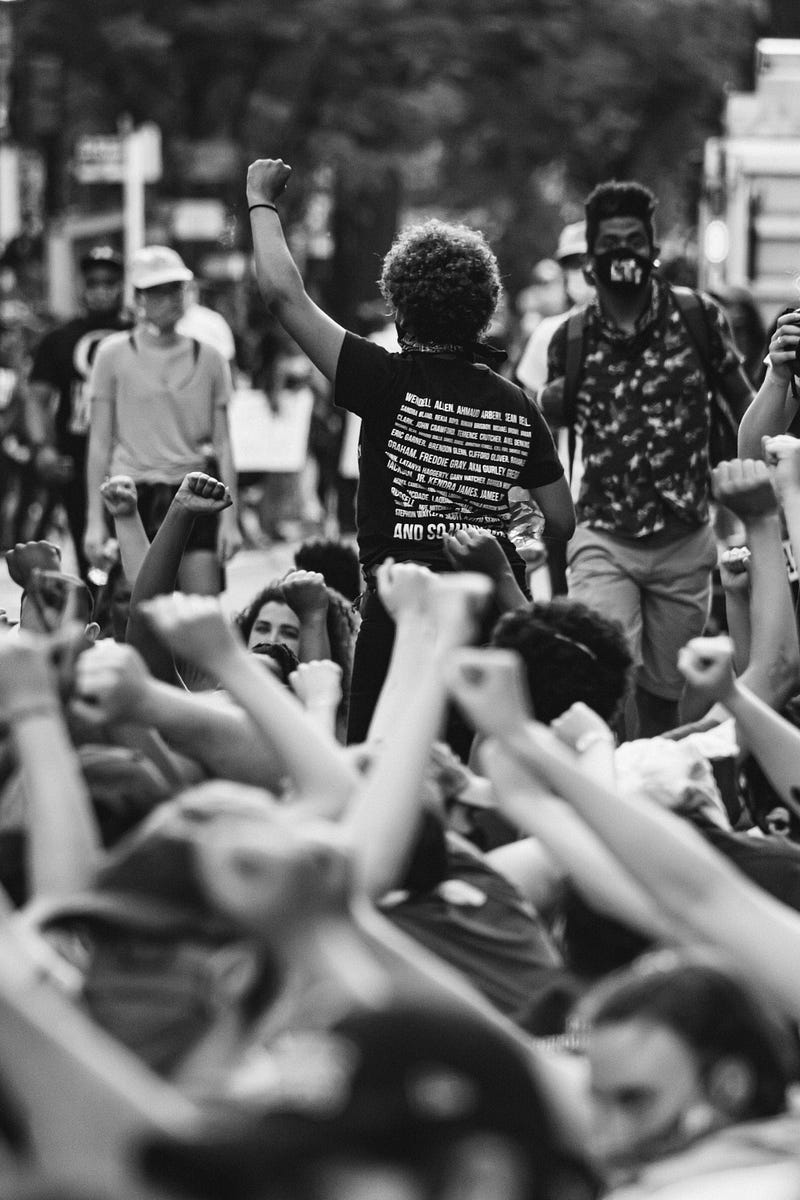
Every city in America bears its own mixed legacy of harms and heroes. No city is exempt. No community can deny it, nor should they.
Birmingham Alabama’s legacy is rooted in the penultimate year of 1963 when forces of a civic revolution met forces of the repressive, immoral status quo. The status quo lost the war, but not without taking the Black lives of some men, women, and children.
Birmingham’s legacy is more than its losses. Our legacy is also a triumph.
That’s why the City of Birmingham is embracing its history to be a global leader for peace and justice; honoring the sacrifices of our ancestors while investing in the next generation of peacebuilders.
To ensure Birmingham’s legacy is a living legacy, Mayor Randall Woodfin formed the Mayor’s Office of Social Justice and Racial Equity upon his election in 2017.
This article offers more about the work of the team.
The Mayor’s Office of Social Justice and Racial Equity (SJRE) seeks to make a just and equitable Birmingham evident to its residents and to the world.
Through advocacy, engagement, and implementation, we seek to employ social justice as a core principle in the City of Birmingham's policies, operations, and decision-making.
Our work is rooted in efforts to build our community through servant leadership. We do this, strategically, by privileging spaces and collaborative opportunities for residents that have found themselves outside of the economic mainstream of our communities.
We have developed equitable spaces for our residents, including:
The Academy of Civic Engagement (ACE) provides Birmingham residents and business leaders an opportunity to connect and learn more about how the City of Birmingham operates. ACE helps residents better understand how the city is working for them and how they can engage in opportunities within the city.
AWAKEN is an educational program held in October the week of Magic City Classic. This program is presented by SJRE and focuses on a different topic each year. The themes are designed to provide attendees with a deeper understanding of the subject matter and give participants an opportunity to interact with the guests.
Cultural Preservation focuses on advocacy for and restoration of historic sites such as the A.G. Gaston Motel.
Faith Leaders Roundtable is an opportunity for Mayor Woodfin to meet with faith leaders in our community to discuss relevant issues within the city and the vital role places of faith play.
LGBQ+ Affairs focuses on the rights and policies for the LGBTQ+ community. Birmingham is the only city in Alabama with a multiple-year 100+ rating on the Human Rights Commission Municipal Equality Index (MEI).
Women’s Initiative is a group of women appointed by Mayor Randall Woodfin to address issues affecting women and girls in the Birmingham area.
Peace Building is a priority of the Woodfin administration. We support Common Ground, a city-wide three-pronged strategy to address violent crime and enhance peace-building through investments in prevention and reentry programs. Common Ground builds on research and collaboration with multiple partners.
Communications include social media channels, a series of community conversations branded This Birmingham, The Magic City Advocate digital newsletter, and the promotional campaign for the 60th Commemoration of the Birmingham Movement for Civil and Human Rights. We seek to shift the culture by shifting conversations.
These annual reports highlight more details of the aforementioned efforts and much more.
The City of Birmingham is committed to community-building, policy advocacy, and programs that reclaim and grow the City of Birmingham’s legacy of a beacon for human rights for all persons.
Honestly,
Ed.
I am a poet, essayist, and civic strategist based in Birmingham, Alabama. Get to know me better here.


