avatarSal

Free AI web copilot to create summaries, insights and extended knowledge, download it at here

3887

Abstract

trade of actual human beings goes against the fundamental principles that form the very foundation of the institution.</p><p id="fe95">The Church preached to the Africans about <a href="https://www.thegospelcoalition.org/essay/man-as-the-image-of-god/">a God in whose image they were made</a> but turned a blind eye when funding a company that shipped thousands of those same Africans to Spanish colonies in South America to work as slaves.</p><h1 id="f0f8">Accountants and Historians Helped Unveil the Truth</h1><p id="7787">Amidst the chaos of the rising political discussion surrounding people of color, commissioners from the Church of England launched an investigation into the Queen Anne’s Bounty in 2019, shortly before George Floyd’s murder added more flame to the fire.</p><p id="1796"><a href="https://www.churchofengland.org/about/leadership-and-governance/church-commissioners-england/who-we-are/church-commissioners-links">These commissioners worked with forensic accountants</a> (accountants who investigate evidence of crimes or fraud committed by organizations) <a href="https://www.churchofengland.org/about/leadership-and-governance/church-commissioners-england/who-we-are/church-commissioners-links">and the historians Dr. Helen Paul and Professor Arthur Burns</a>. <a href="https://www.churchofengland.org/about/leadership-and-governance/church-commissioners-england/who-we-are/church-commissioners-links">Together, they reviewed early ledgers and source documents from the Queen Anne’s Bounty</a> from centuries ago.</p><p id="fda5">What they discovered was shocking. The group published a report of their investigation into the source documents, which revealed that in the 18th century, Queen Anne’s Bounty invested heavily in the South Sea Company, which was notorious for trading in slaves.</p><p id="7bb2">Over a period of 24 years between 1715 and 1739, <a href="https://www.theguardian.com/world/2022/jun/16/church-of-england-paid-poor-18th-century-clergy-with-abominable-slave-trade-funds-justin-welby">the South Sea Company’s main commercial activity included the transportation of 34,000 slaves in “<i>crowded, unsanitary, unsafe, and inhumane</i>” conditions over the course of 96 transatlantic voyages</a>. Researchers wrote that the Bounty also received numerous donations, many of which likely originated from individuals,</p><blockquote id="fc0d"><p>“who were linked to, or profited from, transatlantic chattel slavery or the plantation economy.”</p></blockquote><h1 id="b717">The Church Invested Nearly $538 Million in Today’s Money Into The Slave Trade</h1><figure id="b3b5"><img src="https://cdn-images-1.readmedium.com/v2/resize:fit:800/0*JgzxetmvzbX3AVs-"><figcaption>Photo by <a href="https://unsplash.com/@garybpt?utm_source=medium&amp;utm_medium=referral">Gary Butterfield</a> on <a href="https://unsplash.com?utm_source=medium&amp;utm_medium=referral">Unsplash</a></figcaption></figure><p id="7eb7">Approximately 14 percent of the fund’s income was given by benefactors. One of them was a slave trader by the name of Edward Colston. <a href="https://www.theguardian.com/news/2023/may/05/how-the-fall-of-edward-colstons-statue-revolutionised-the-way-british-history-is-told">During the outrage of 2020, protests broke out, during which his statue in Bristol was toppled and thrown into the harbor.</a> I believe displays like these set important precedents for accountability. It may have been centuries since Colston’s death, but his statue was a symbol of historical injustices that are conveniently forgotten.</p><p id="4281">Vile historical figures are honored and celebrated for their achievements, while their corruption is downplayed and ignored.</p><p id="db3c">Queen Anne’s Bounty used these funds to purchase land and property that boosted the income of the clergymen and paid the day-to-day running costs of the Church. Between 1723 a

Options

nd 1777, any funds that hadn’t been used to purchase land had been almost exclusively invested into the South Sea Company’s annuities. When the company finally <a href="https://reparationscomm.org/reparations-news/david-comissiong-the-church-of-englands-giant-reparations-step/#:~:text=%E2%80%9CBy%20the%20time%20that%20the,in%20today's%20terms%E2%80%A6%E2%80%A6.%E2%80%9D">ceased slave trading in 1739, the Church’s investments were valued around 248,000, the equivalent of 538 million in today’s money</a>.</p><p id="59bf"><a href="https://www.grantthornton.co.uk/insights/investigating-the-churchs-links-to-slavery/">These investments generated a total of 1.7 billion (in today’s terms) in income for the bounty</a>. The report unveils how the Church of England profited off one of the most despicable trades in history. <a href="https://www.churchtimes.co.uk/articles/2023/13-january/news/uk/church-commissioners-to-set-aside-100-million-to-compensate-for-slave-trade-links">In January of 2023, the Church of England’s endowment fund was valued at 12.2 billion</a>, and parts of this amount can no doubt be traced back to the Church’s 18th-century investments in the South Sea Company.</p><h1 id="0408">The Church Issued an Apology</h1><p id="1e80">In light of these discoveries, <a href="https://www.churchofengland.org/node/44092/printable/print">Archbishop Welby, who chairs the Church’s Commissioners, issued a public apology, calling the Church of England’s links to the transatlantic slave trade a “<i>source of shame</i>” for the Church.</a> He said,</p><blockquote id="0d37"><p>“I am deeply sorry for the links with transatlantic chattel slavery that the Church Commissioners has identified. This abominable trade took men, women, and children created in God’s image and stripped them of their dignity and freedom. The fact that some within the Church actively supported and profited from it is a source of shame.”</p></blockquote><p id="e9e2">He further claimed that the Church would learn from the revelation and take steps to do better.</p><blockquote id="ea2b"><p>“It is only by facing this painful reality that we can take steps towards genuine healing and reconciliation — the path that Jesus Christ calls us to walk. This is a moment for lament, repentance, and restorative action. I pray for those affected by this news and hope that we may work together to discern a new way forward.”</p></blockquote><p id="7293">Other representatives of the Church also chimed in on the matter to promise transparency. <a href="https://anglican.ink/2022/06/16/church-commissioners-research-identifies-historic-links-to-transatlantic-chattel-slavery/">The Bishop of Birmingham, the Rt Revd David Urquhart, said</a>,</p><blockquote id="01dd"><p>“The Church Commissioners is deeply sorry for its predecessor fund’s links with transatlantic chattel slavery. The Church Commissioners aims to be transparent about its history, and we will use this knowledge to ensure we are at the forefront of responsible investment globally.”</p></blockquote><p id="d247">Although I believe that such public apologies are the first step towards taking accountability and owning up to the demons of the Church’s past, I cannot help but view them as contrived and insincere.</p><p id="8914">Are these representatives really sorry about the actions of the Church of England’s past?</p><p id="c975">Or are they only sorry they got caught?</p><p id="c1bb">Would they have revealed this information if no investigation had been launched into their massive endowment fund?</p><p id="adad">Do they sincerely mean what they are saying, or is this just a standard PR move to maintain the image and reputation of the Church?</p><p id="8a1d">Many of these questions will, unfortunately, remain unanswered as we remain in the dark about what goes on behind the scenes at these institutions.</p></article></body>

How the Church of England Made Billions Off the Transatlantic Slave Trade

The dark side of the Church of England.
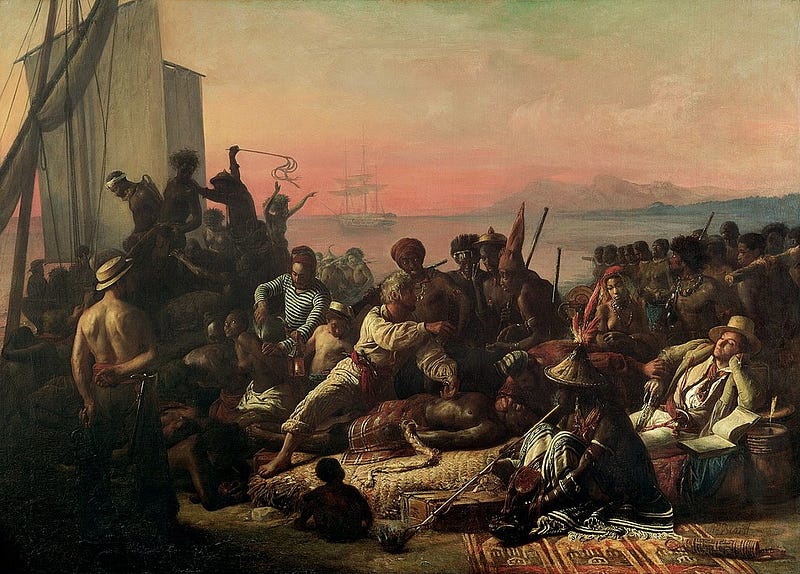
Image Source: Wikimedia Commons (Public Domain)

The Church of England has existed for over half a millennium. It traces its roots to the Church in the Roman province of Britain in the 3rd century and the Gregorian mission to Kent led by Augustine of Canterbury in the 6th century.

In 1530, Henry VIII wrote a letter to Pope Clement VII requesting the annulment of his marriage to Catherine of Aragon because he had fallen in love with Anne Boleyn. This letter was later recovered in the Vatican Secret Archives.

Unfortunately for the monarch, the Pope declined his request, after which Henry VIII renounced papal authority and separated from the Roman Catholic Church, forming the Church of England in 1534.

Today, the Church of England preaches values of love, kindness, trust, inclusion, mutuality, and empathy. As an institution representing the biggest religion in the world, the Church strives to maintain a clean image built upon trust, honesty, and transparency. In its transparency, however, the Church of England may have revealed its dark side, evidence of their massive $12.2 billion fund having early links to the transatlantic slave trade.

The Church Created A Fund To Support Poor Clergymen

The murder of George Floyd in May of 2020 was an unspeakable tragedy that sent shockwaves around the world and revived the “Black Lives Matter” movement. The incident brought issues like racial discrimination and injustices towards people of color back into the limelight like never before.

Inevitably, part of this global discussion focused on monuments and major institutions that have played a role in and have enabled the practice of slavery in the past yet dodge accountability today. The debate was bound to probe into the history of influential institutions of the world and unearth the skeletons in their closets. As things turned out, the Church of England was one of those institutions.

In 1704, the Church of England formed a scheme called the Queen Anne’s Bounty. The scheme sought to tackle poverty among clergymen by purchasing land (from which the clergy received an income) or through an annuity stream that supplemented their income. Through the donations made to this fund, the clergymen in charge of it began investing in the lucrative transatlantic slave trade of the time.

Revelations like these highlight the corruption and wretchedness of so-called religious leaders who adopt a “holier than thou” facade to manipulate and deceive thousands. Contributing to the sale and trade of actual human beings goes against the fundamental principles that form the very foundation of the institution.

The Church preached to the Africans about a God in whose image they were made but turned a blind eye when funding a company that shipped thousands of those same Africans to Spanish colonies in South America to work as slaves.

Accountants and Historians Helped Unveil the Truth

Amidst the chaos of the rising political discussion surrounding people of color, commissioners from the Church of England launched an investigation into the Queen Anne’s Bounty in 2019, shortly before George Floyd’s murder added more flame to the fire.

These commissioners worked with forensic accountants (accountants who investigate evidence of crimes or fraud committed by organizations) and the historians Dr. Helen Paul and Professor Arthur Burns. Together, they reviewed early ledgers and source documents from the Queen Anne’s Bounty from centuries ago.

What they discovered was shocking. The group published a report of their investigation into the source documents, which revealed that in the 18th century, Queen Anne’s Bounty invested heavily in the South Sea Company, which was notorious for trading in slaves.

Over a period of 24 years between 1715 and 1739, the South Sea Company’s main commercial activity included the transportation of 34,000 slaves in “crowded, unsanitary, unsafe, and inhumane” conditions over the course of 96 transatlantic voyages. Researchers wrote that the Bounty also received numerous donations, many of which likely originated from individuals,

“who were linked to, or profited from, transatlantic chattel slavery or the plantation economy.”

The Church Invested Nearly $538 Million in Today’s Money Into The Slave Trade
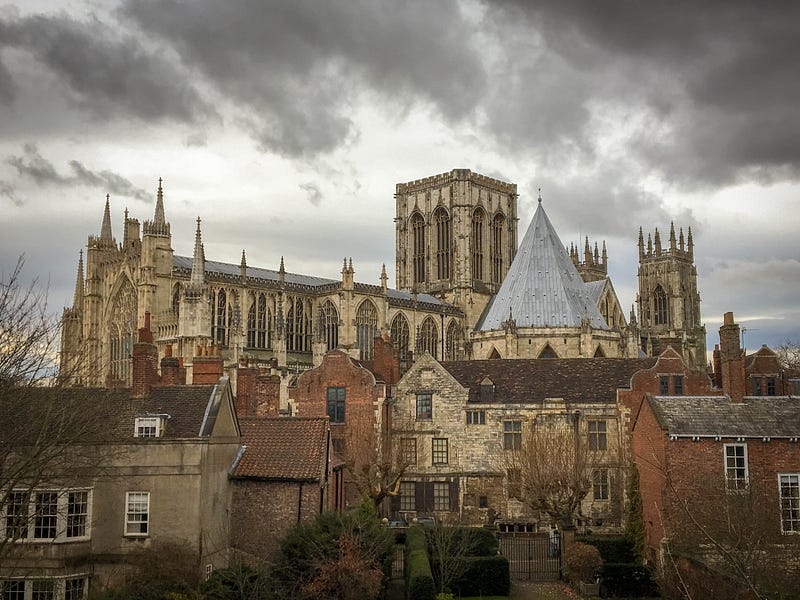
Photo by Gary Butterfield on Unsplash

Approximately 14 percent of the fund’s income was given by benefactors. One of them was a slave trader by the name of Edward Colston. During the outrage of 2020, protests broke out, during which his statue in Bristol was toppled and thrown into the harbor. I believe displays like these set important precedents for accountability. It may have been centuries since Colston’s death, but his statue was a symbol of historical injustices that are conveniently forgotten.

Vile historical figures are honored and celebrated for their achievements, while their corruption is downplayed and ignored.

Queen Anne’s Bounty used these funds to purchase land and property that boosted the income of the clergymen and paid the day-to-day running costs of the Church. Between 1723 and 1777, any funds that hadn’t been used to purchase land had been almost exclusively invested into the South Sea Company’s annuities. When the company finally ceased slave trading in 1739, the Church’s investments were valued around $248,000, the equivalent of $538 million in today’s money.

These investments generated a total of $1.7 billion (in today’s terms) in income for the bounty. The report unveils how the Church of England profited off one of the most despicable trades in history. In January of 2023, the Church of England’s endowment fund was valued at $12.2 billion, and parts of this amount can no doubt be traced back to the Church’s 18th-century investments in the South Sea Company.

The Church Issued an Apology

In light of these discoveries, Archbishop Welby, who chairs the Church’s Commissioners, issued a public apology, calling the Church of England’s links to the transatlantic slave trade a “source of shame” for the Church. He said,

“I am deeply sorry for the links with transatlantic chattel slavery that the Church Commissioners has identified. This abominable trade took men, women, and children created in God’s image and stripped them of their dignity and freedom. The fact that some within the Church actively supported and profited from it is a source of shame.”

He further claimed that the Church would learn from the revelation and take steps to do better.

“It is only by facing this painful reality that we can take steps towards genuine healing and reconciliation — the path that Jesus Christ calls us to walk. This is a moment for lament, repentance, and restorative action. I pray for those affected by this news and hope that we may work together to discern a new way forward.”

Other representatives of the Church also chimed in on the matter to promise transparency. The Bishop of Birmingham, the Rt Revd David Urquhart, said,

“The Church Commissioners is deeply sorry for its predecessor fund’s links with transatlantic chattel slavery. The Church Commissioners aims to be transparent about its history, and we will use this knowledge to ensure we are at the forefront of responsible investment globally.”

Although I believe that such public apologies are the first step towards taking accountability and owning up to the demons of the Church’s past, I cannot help but view them as contrived and insincere.

Are these representatives really sorry about the actions of the Church of England’s past?

Or are they only sorry they got caught?

Would they have revealed this information if no investigation had been launched into their massive endowment fund?

Do they sincerely mean what they are saying, or is this just a standard PR move to maintain the image and reputation of the Church?

Many of these questions will, unfortunately, remain unanswered as we remain in the dark about what goes on behind the scenes at these institutions.

History
Religion
Slavery
Racism
Christianity
Recommended from ReadMedium