
How the BLM Movement exposed Mexico´s 200-year struggle.
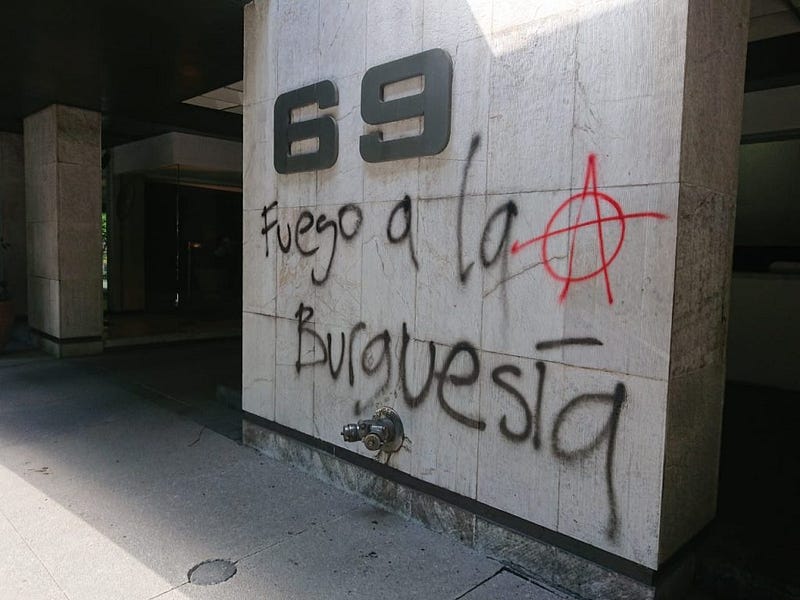
The Black Lives Matter movement in the United States made an important social impact throughout the whole world, as we may have noticed in the past month. Arriving at almost every major city in the nation, shifting major political plans, and most importantly, exposing the country lifelong racism problem. Certainly sending a very clear message to the whole world, even inspiring similar movements in other countries who suffer the same issue. And one country, in particular, stood out from the rest, Mexico.
A little historical context…
To understand how the BLM movement is relevant in modern Mexico, we first have to know a little bit of background history of the nation´s tragic encounter with cultural oppression. When the Spanish conquistadors arrived and conquered the Aztec Empire, a system of “castas” was established. This was a literal pyramid scheme, where your race and its variants defined your social status in the now called New Spain. As you may expect, the born and raised in Spain were on top of this system, and the natives and their descendants were on the opposite spectrum of this atrocious system. In the south of Mexico, places called “Haciendas” were established, which consisted of Spanish overlords practicing slavery on the native communities of the area. These sorts of feudal lords “paid” their workers in a currency of their own, which meant they couldn´t spend what they earned on places out of this Haciendas.
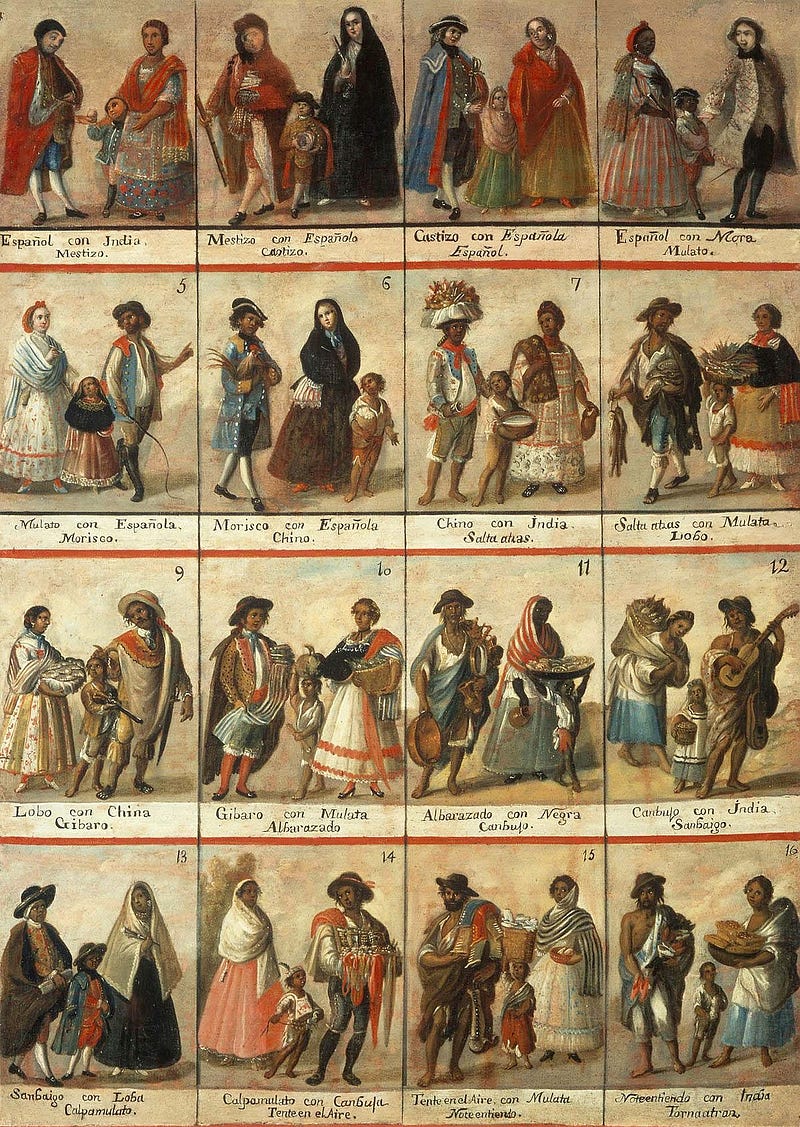
This kept going on for the majority of 1600s and 1700s, and when we became independent from the Spanish reign in the 1800s, nothing changed. Even in the early 1900s, President (and tyrant) Porfirio Díaz wore a white foundation to cover his brown skin.

Racism in modern Mexico…
We skip 200 years later, to a Mexico where its roots are infected with these ideals going back to 1700. Mexican society has been led to believe that people with indigenous roots or with darker skin are below someone who is white. There are a lot of folk expressions in Mexico that normalize racist behavior, and because they have been said for a long time, no one questions them. Here are some examples and their explanation:
Hueles a Rancho!
Offensive way to say someone is from a rural area.
Traes el nopal en la cara.
Offensive way to say someone is from an indigenous community.
Hay que mejorar la raza.
Way of saying that it is important to have children with white people.
There are way more than these 3 horrible examples of these normalized expressions in Mexico that demote indigenous communities. According to “El País”, in Mexico, people with clearer skin are more likely to have a higher income than those with dark skin, which has led to another issue among the population, classism. This means that there is systematic discrimination against the population with lower income, a problem that in recent years has divided the country at an alarming rate. Another issue that came from racism in Mexico includes the term “malinchismo”, which means when the customer believes the product will be of bad quality or not reliable just because it was produced/manufactured in Mexico.
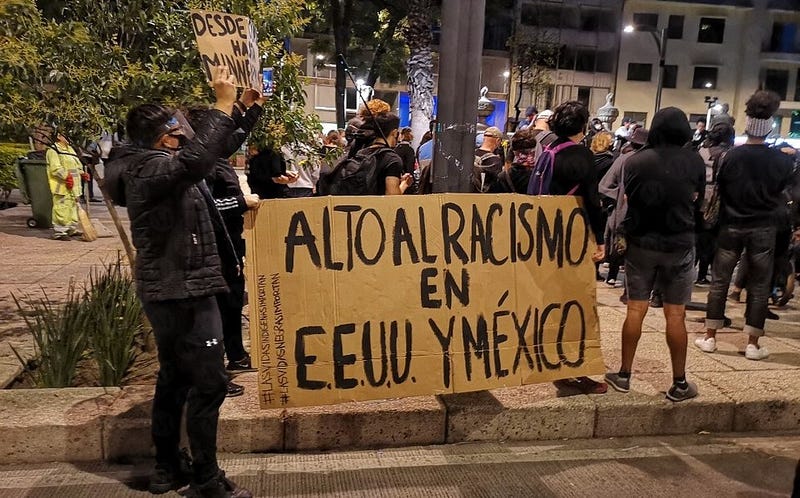
Is it too late after 200 years?
There is hope. At a slow but steady rate, Mexico has proved this hideous system wrong on various occasions. For example movie directors Alfonso Cuarón, Alejandro Gonzáles Iñarritu, and Guillermo del Toro have always shown their love for their country in every aspect of their respective careers. In the same cultural aspect, Yalitza Aparicio (nominated for best actress in The 91° Academy Awards) is the living proof of how far people from indigenous communities can go, taking into account that she didn’t know how to speak English at the time. I could talk about how many of my patriots have defied this racist principle in which Mexico has lived for so long now, but I would never have enough time.

When the BLM protests started to arise, Mexican society was forced to rethink racists behaviors that were considered normal, and most importantly, for large companies to start giving the same opportunities to everyone, no matter race or socioeconomic level. But we are only scratching the surface to this enormous problem that has cost so much to 25 million members of indigenous communities in Mexico.
What everyone with privilege should learn about this movement, in any country that needs it, is to recognize the privilege you have, and to identify, question and if necessary stop those the racist behavior that we have wrongfully normalized throughout our lives, because if we the ones who support these movements are not the change, then no one will be.


