avatarElena Beliaeva-Baran

Free AI web copilot to create summaries, insights and extended knowledge, download it at here

2549

Abstract

in turn, has the potential to <a href="https://www.linkedin.com/pulse/5-ways-self-driving-cars-could-make-our-world-lives-better-marr/">cut the carbon footprint associated with air travel.</a></p><blockquote id="da3f"><p>According to the Department of Energy, automated cars can reduce energy consumption in transportation up to <a href="http://large.stanford.edu/courses/2017/ph240/chang-p2/#:~:text=Pros%20of%20Self%2DDriving%20Vehicles&amp;text=Vehicles%20will%20then%20be%20lighter,the%20most%20fuel%20efficient%20route.">90%.</a> More than a quarter of greenhouse gas emissions come from automobiles so with automated cars that have redesigned computerized systems that choose the most fuel efficient routes and travel faster, the cars have a chance to place a large impact on the environment.</p></blockquote><h1 id="b14b">Will self-driving cars take away jobs?</h1><p id="aacb">Yes, they will.</p><figure id="0263"><img src="https://cdn-images-1.readmedium.com/v2/resize:fit:800/0*RLXtceg5ImAJhNjI"><figcaption>Photo by <a href="https://unsplash.com/@schoeneheimat?utm_source=medium&amp;utm_medium=referral">Sandra Frey</a> on <a href="https://unsplash.com?utm_source=medium&amp;utm_medium=referral">Unsplash</a></figcaption></figure><p id="e777">Similar to the coachmen<b>, </b>who drove<b> </b>carriages in the early 20th century, there will be no need for taxi drivers.</p><p id="b653">We don’t need coachmen in the 21st century. Unless you are in the middle of a mid-century city center somewhere in Spain driving around tourists.</p><p id="a1b1">Every time the Industrial Revolution strikes, society is distressed<i>.</i></p><p id="91a5"><i>Uncertainty scares, yes.</i></p><p id="2662">People are afraid that the machines will take their jobs.</p><p id="7d1d"><i>What we can see from the Industrial Revolutions I, II and III?</i></p><ul><li>Many jobs have been replaced by machines.</li></ul><p id="def6"><i>But was it bad for society in the end?</i></p><ul><li>No. While many jobs have become ancient history, machines generated a massive demand for new kind of jobs.</li></ul><p id="4de4">The history tends to repeat itself and I’m sure we will see a rise in the new jobs that we never thought of.</p><h1 id="2493">Will self-driving cars impact society?</h1><p id="0337">Yes, they will.</p><h1 id="c653">How will self-driving cars impact society?</h1><p id="c0a0">In the beginning, there will be an expected fear of self-driving cars. Later, autonomous cars will enter the mass production stage and become more as common as automatic el

Options

evators in multistory buildings.</p><h2 id="49e2">By the way, fun fact.</h2><p id="c6cc">Did you know that all of the first models of elevators required a special person to operate it? Later, for obvious reasons, these people were removed, and we continue to use the elevators.</p><p id="e1f5">Also, an interesting point here. Ask yourself this question:</p><p id="3c10"><i>Would you prefer (for safety reasons) to use an automatic elevator or an elevator operated by a human?</i></p><p id="2302">I believe the similar effect we will see with the self-driving cars. Imagine that in around 20 years from now, people wouldn’t like to use public transportation operated by a human.</p><p id="a183" type="7">Why?</p><p id="30e9" type="7">Because they will be sure it’s not safe.</p><h2 id="b084">What will happen with regular (human-operated) cars?</h2><p id="2a2c">As it was mentioned earlier, regular cars can be compared to horses. In the early 19th century, all of the transportation was made by horse-carriages.</p><figure id="f1ab"><img src="https://cdn-images-1.readmedium.com/v2/resize:fit:800/0*Mdol23IjxY4znn1j"><figcaption>Photo by <a href="https://unsplash.com/@newdawn?utm_source=medium&amp;utm_medium=referral">Eriksson Luo</a> on <a href="https://unsplash.com?utm_source=medium&amp;utm_medium=referral">Unsplash</a></figcaption></figure><p id="57bf">Cars have been accessible only to high-profile people and were considered as an absolute luxury. When cars entered a mass production stage, we see a transportation revolution.</p><p id="d635">In just 20 years, from 1910 to 1930, traffic on the streets have completely changed. From 100% horse-driven to the ultimate dominance of cars.</p><figure id="556c"><img src="https://cdn-images-1.readmedium.com/v2/resize:fit:800/0*2lQD0ZqbVbaOM3zj"><figcaption>Photo by <a href="https://unsplash.com/@visualsbyroyalz?utm_source=medium&amp;utm_medium=referral">Anastase Maragos</a> on <a href="https://unsplash.com?utm_source=medium&amp;utm_medium=referral">Unsplash</a></figcaption></figure><p id="b245">Cars became a regular thing, while horses became something luxury and unusual. Now, horse-riding is considered to be an extreme and sophisticated sport.</p><p id="0d3e">Will we see the same tendency with regular cars? I believe so. Once a product is becoming more accessible, the ‘luxury status’ of it vanishes.</p><h1 id="f2bd">What do you think? How self-driving cars could impact society?</h1><p id="622f">Write your thoughts in the comment section and let’s discuss it!</p></article></body>

Future

How Society Will Be Impacted by Self-Driving Cars

How will autonomous cars impact society and the environment?
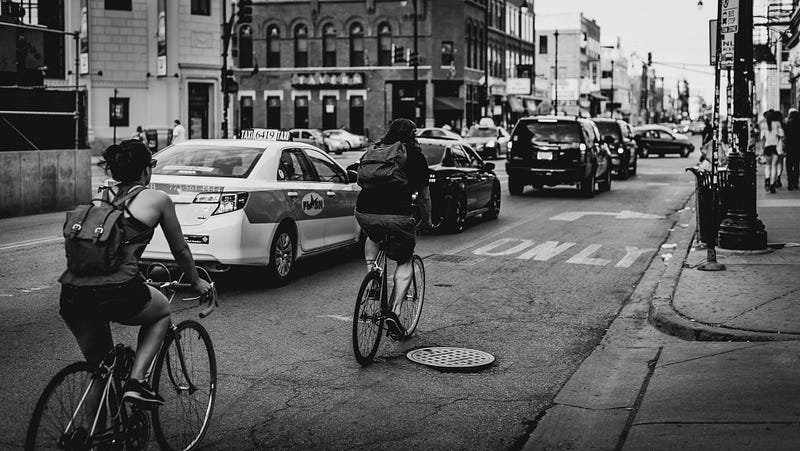
Photo by Adrian Williams on Unsplash

When we will see self-driving cars on the roads?
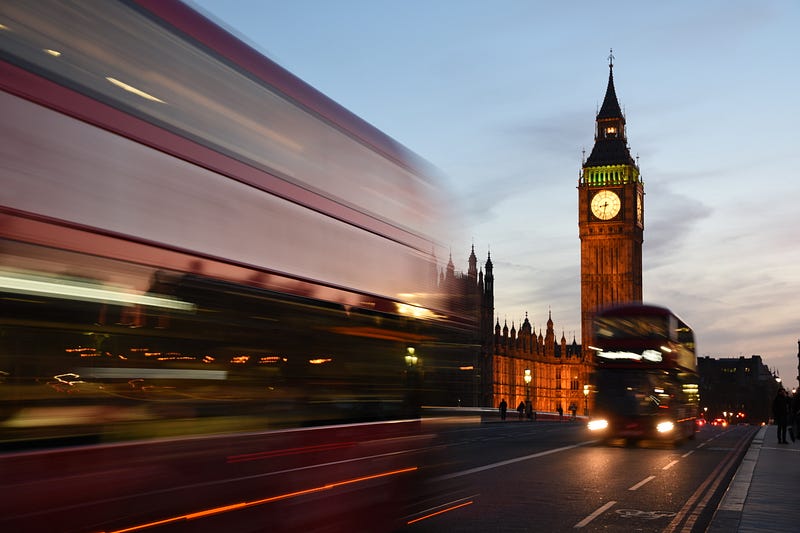
Photo by David Dibert on Unsplash

In 2021 The UK could become the first country in the world that will fully legalize the 100% self-driving cars.

To address the risks of fully-autonomous vehicles, people would be able to use them only on a separate lane of public roads.

It is clear that this is the first step towards the legalization of modern autonomous cars. The forecasts are seeing self-driving cars to enter its mass production state within the next 3–7 years.

The legislative issue has not yet been resolved, but for many, it is already obvious that drones will be a safer mode of transport than conventional vehicles. In addition, driving on highways is often a tedious and boring task and it is better to transfer this work to the autopilot.

How self-driving cars could impact the environment?
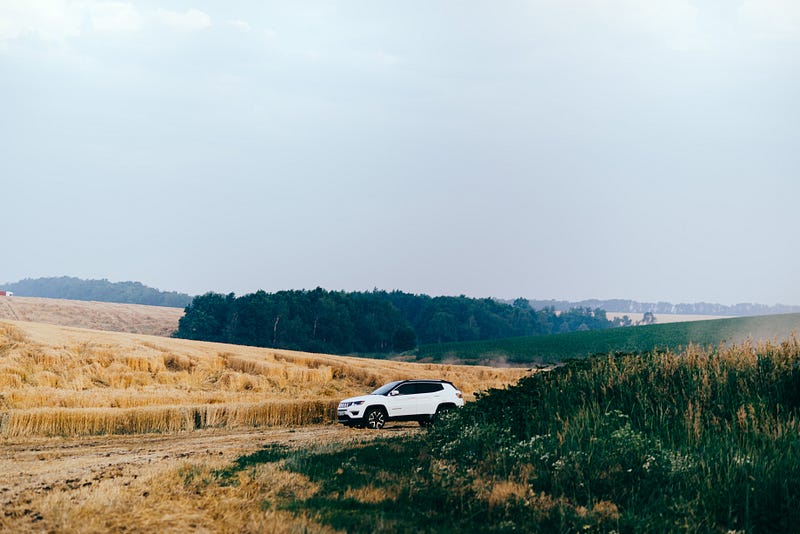
Photo by Dmitriy Frantsev on Unsplash

The smart system of an autonomous car drives accelerates and breaks smoothly. This feature is not only a great solution for traffic, but also it can reduce emissions.

Since car travel would become more and more convenient, we might see a drop in the demand for domestic flights. This, in turn, has the potential to cut the carbon footprint associated with air travel.

According to the Department of Energy, automated cars can reduce energy consumption in transportation up to 90%. More than a quarter of greenhouse gas emissions come from automobiles so with automated cars that have redesigned computerized systems that choose the most fuel efficient routes and travel faster, the cars have a chance to place a large impact on the environment.

Will self-driving cars take away jobs?

Yes, they will.
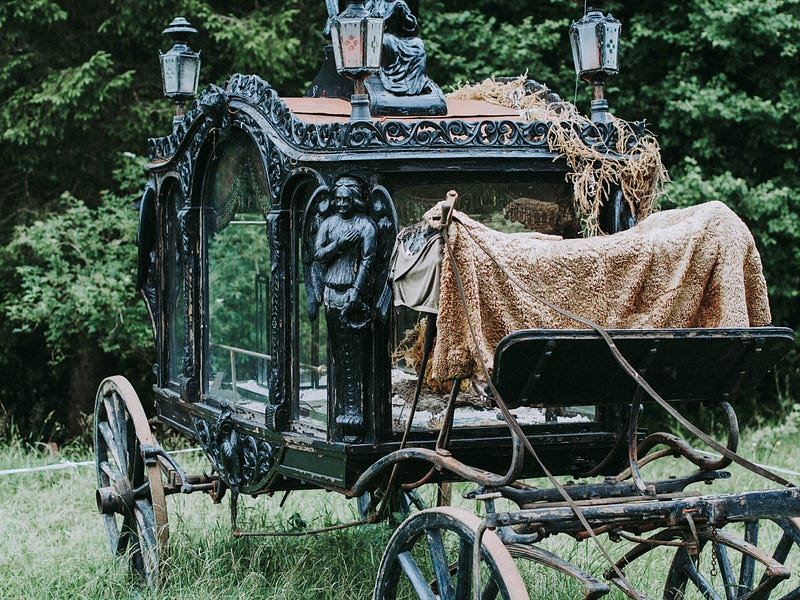
Photo by Sandra Frey on Unsplash

Similar to the coachmen, who drove carriages in the early 20th century, there will be no need for taxi drivers.

We don’t need coachmen in the 21st century. Unless you are in the middle of a mid-century city center somewhere in Spain driving around tourists.

Every time the Industrial Revolution strikes, society is distressed.

Uncertainty scares, yes.

People are afraid that the machines will take their jobs.

What we can see from the Industrial Revolutions I, II and III?

  • Many jobs have been replaced by machines.

But was it bad for society in the end?

  • No. While many jobs have become ancient history, machines generated a massive demand for new kind of jobs.

The history tends to repeat itself and I’m sure we will see a rise in the new jobs that we never thought of.

Will self-driving cars impact society?

Yes, they will.

How will self-driving cars impact society?

In the beginning, there will be an expected fear of self-driving cars. Later, autonomous cars will enter the mass production stage and become more as common as automatic elevators in multistory buildings.

By the way, fun fact.

Did you know that all of the first models of elevators required a special person to operate it? Later, for obvious reasons, these people were removed, and we continue to use the elevators.

Also, an interesting point here. Ask yourself this question:

Would you prefer (for safety reasons) to use an automatic elevator or an elevator operated by a human?

I believe the similar effect we will see with the self-driving cars. Imagine that in around 20 years from now, people wouldn’t like to use public transportation operated by a human.

Why?

Because they will be sure it’s not safe.

What will happen with regular (human-operated) cars?

As it was mentioned earlier, regular cars can be compared to horses. In the early 19th century, all of the transportation was made by horse-carriages.
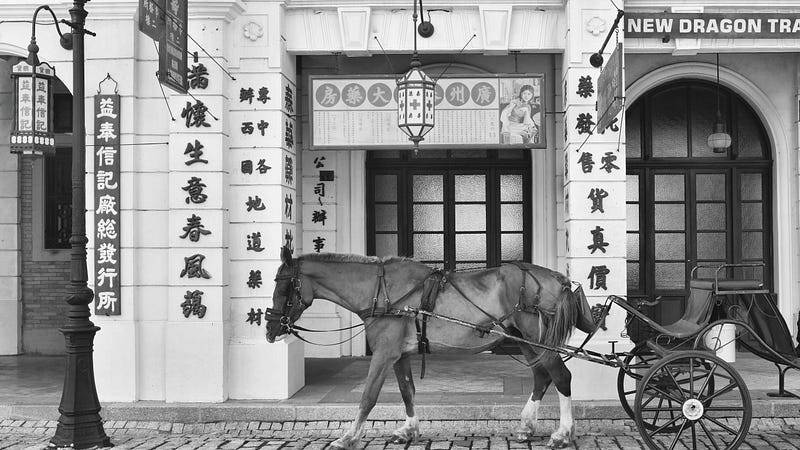
Photo by Eriksson Luo on Unsplash

Cars have been accessible only to high-profile people and were considered as an absolute luxury. When cars entered a mass production stage, we see a transportation revolution.

In just 20 years, from 1910 to 1930, traffic on the streets have completely changed. From 100% horse-driven to the ultimate dominance of cars.

Photo by Anastase Maragos on Unsplash

Cars became a regular thing, while horses became something luxury and unusual. Now, horse-riding is considered to be an extreme and sophisticated sport.

Will we see the same tendency with regular cars? I believe so. Once a product is becoming more accessible, the ‘luxury status’ of it vanishes.

What do you think? How self-driving cars could impact society?

Write your thoughts in the comment section and let’s discuss it!

Self Driving Cars
Future Of Work
Technology
Future
Artificial Intelligence
Recommended from ReadMedium