
How Social Media Is Pushing The Narrative Of Depression And Anxiety
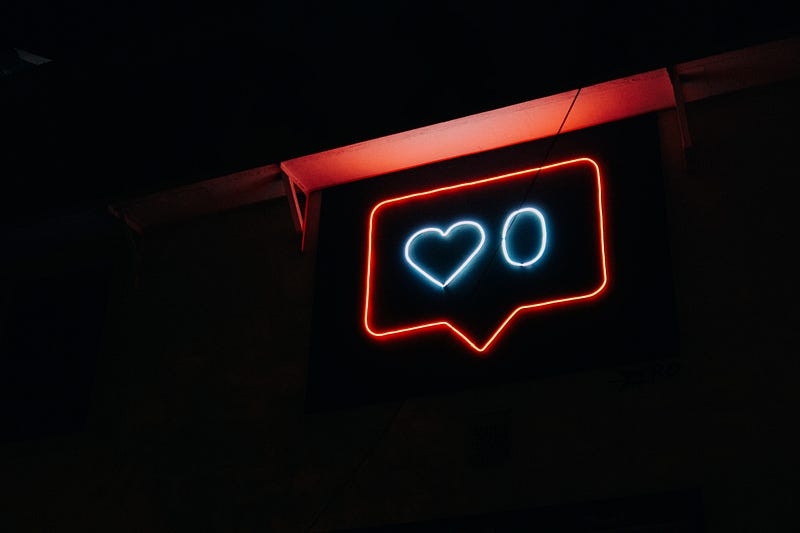
Social media is poisoning their minds.
Nowadays, Social media has a direct role to play in influencing symptoms of depression and anxiety in the minds of our youth. Like every child, teen, and young adult has a smartphone, and with that smartphone comes an accessory of applications that ruin and push them to adopt certain traits that are harmful to them and vice-versa. Not every teen goes through this, but the majority of them are at risk.
I was talking to some young girls, cousins of mine the other day who visited me. Their behaviors are directly influenced by “artists” whose craft poisons their sense of self and identity. Because at a young age when a child sees everything — they learn from what they experience, it molds them into what they watch, and discover themselves as well. Those girls exhibited symptoms of anxiety when I asked them about themselves.
They were talking about how their skin color is different from one another, and how they like the “white” filter more as opposed to the “dark” one. This girl was probably 13 If I had to guess. There was another that said that she looks better in the darker one, as it shows she is in pain.
All these things that I was listening to were really daunting to me that children of today experience such kinds of media that brainwashed their minds into believing rhetoric most of the media companies through these applications are pushing to create an economy around the next generation of people.
I follow them on Instagram, and most of their stories revolve around music that tends to throw an effect of depression, that if you’re depressed — people will pay more attention to you. This kind of rhetoric has been here for a long time, ever since the modern-day pop culture or mumble rap has come into fruition.
Their videos and lyrics that show that drinking abuse and showcasing symptoms of depression, children are susceptible to adopt such patterns as they grow watching these videos.
I meet children every day, and most of the children do tend to exhibit this trait. If you even pick up the newer artists, that most Hollywood promotes, they tend to present music in a very trance sense that tends to poison the minds of young and old with their profane lyrics, that have very adverse effects on the minds of children.
Most of them are coating their illicit programming of children through various lucrative schemes that tend to push children towards adopting habits and trends which are further making them susceptible to anxiety, depression, and other illnesses as well.
I know so many people, from my circle as well who put themselves in a very discontentful state, it’s not that their lives don’t have joy, it’s just that it doesn’t compare to the bedazzling image pop culture has been influencing over the years that they aspire to adopt. There are perhaps many people, media, and applications who are responsible for these kinds of tactics to promote such trends.
As of this moment, perhaps there is another trend that is causing a stir on social media, such as Instagram where young girls are being made to believe much rhetoric that tend to put them in a situation where they start to blame their bodies through the active use and influence of social media influencers, models, and vice — versa.
Most of my circle tend to showcase the trends that get launched through these depressive songs and the substance abuse that follows. Many people I know are doing drugs just to show that their life has pain and sorrow. So that they can garner attention and fame, as they see their influencers whoever they maybe. This is true, on every level today on these social media apps. Marketing agencies tend to make a big buck because of these narratives.
The main problem lies around parents as well. Long were the days where parents used to play an active role in their children’s lives. Nowadays, when a child is born, even while they are young — Adults tend to place a phone in their hands like a plaything. They are since their inception showed that having a smartphone is an equivalent of a toy. Then, it’s obvious that the blame also heavily lies on the parents as well.
Because parents are neglecting their children more than ever in our modern times, they have stopped sharing and connecting. Fathers don’t bond with their sons, and mothers don’t foster a friendship with their daughters. It’s not that they don’t have time, it’s because they don’t want to. Parenting has become this daycare routine, of giving your children the basic necessities and not connecting with them at all.
This has increased levels of anxiety in young children, and teenagers when they are able to even tell their parents when they are deeply in trouble because of the insecure attachment they have. There are so many factors that are sprouting every day when you neglect a child. Social media is like a rattlesnake that will suffocate your child’s mind and soul if not properly monitored and lack thereof.
Depression is perhaps the main result of such bad parenting that the child never receives love as a teen, or even as a child. They don’t learn the fundamental principles of their parents. they don’t spend time with them and neither do the parents try hard enough to give their children what really matters. A child doesn’t need a device to play with. He needs a parent, otherwise if the child doesn’t get what they want.
They will start to adopt certain behaviors that will affect them in the long term. Social media apps, try to push so many trends that your child might even adopt which will tarnish their self-esteem, causing social anxiety — they won’t be able to know who they are or even accept themselves because every other child also in the same bucket. They can’t relate as they never learned how to.
Soon they will be exhibiting the same patterns of substance abuse which they will get from their friends, smoking, drinking, and even showcasing symptoms of depression to fit the trend or hype of the now. This will affect their mental health and soon they will be needing medical assistance. I know of so many people, who have overdosed on drugs such as Xanax, as they saw them in the music videos — so they did the same as depicted as such.
Even to date, through social media, you can purchase these drugs, and even receive them at your doorstep. Parents need to be wary and alert of their children in these pressing times. Our children are at risk, we need to start taking care of their needs and start to give them more time away from such screens, and spending time with them through actual bonding and activities that foster love, friendship, and care. Also, guide them on how these apps can influence them to do bad things.
We have to show them the difference between what is what and who is who and not leave them unsupervised and neglected because that is where threats arise and your children are at risk of experiencing depression and anxiety — and even worse things can happen if we let them be.
Show them the difference, and attend to them. Try to take precautions and use proper metrics to monitor their activity. Be an active part of their life, and be there when they really need you at this time. Be Supportive, Be Well.
Stay Blessed and Stay Safe!


