
How Social Media Creates an Unsocial World
And what are the cures?
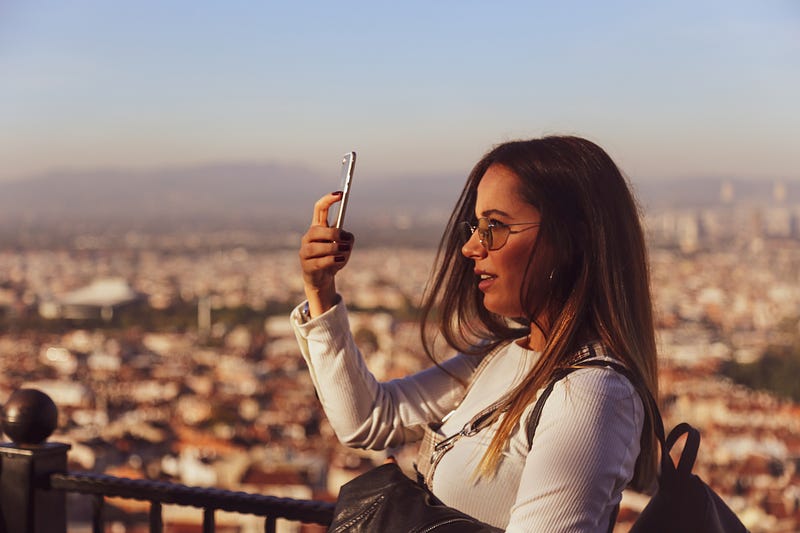
I was sitting in a restaurant waiting for my meal to arrive. I glanced at the other tables and found another lone soul, a girl, must be in her twenties, waiting at another table. She looked bored and it seemed that she was waiting for somebody to arrive.
She was texting and simultaneously frowning at her smartphone. Suddenly she extended her hands with the smartphone to take a picture of herself in selfie mode. She flashed a quick smile for the camera and then went back to frown mode furiously texting again.
Most likely that photo would have gone into the internet ether as an Instagram or Facebook update. Another testimony to her perfectly curated online life.
A sudden wave of emotions washed over me as I saw this mime. A pinch of disappointment mixed with a dash of pity. It seems to me now that we live only for our gadgets. We smile for them and we smile at them.
What I found remarkable was that she had to pretend to be happy for the rest of the world. Just so she could have some likes and nice comments? For the momentary surge of dopamine that these virtual objects would bring?
I take selfies too. In fact, I take them quite regularly. I take them for myself. I add them to my digital diary for some days. Only, I don’t share them on social media. That is because I am not on social media.
No Spaces for Authenticity
I left social media three years ago. Before that, I too was like the girl, constantly looking for the next dopamine surge in the form of a like or a comment.
It started taking a mental toll, until one fine day it became unbearable. I had a sudden urge to just get myself out of this entire suffocating system.
I wanted to be rid of the compulsive need to present an image to others, not of who I thought I was, but who I wanted to be in their eyes.
Let’s face it. Most folks try to present only the shiny, laminated portions of their lives to others on these platforms. People rarely talk about their struggles and their pain on social media.
If they do, they are mostly treated with silence or polite, empathetic comments. Authenticity is rarely celebrated. Except when crosses over to plain rudeness and naked aggression.
And these sites keep oscillating between the two extremes.
These are either perennially happy places where to use The Lego Movie theme song, “Everything is Awesome”.
Or they are places where we show our worst selves, baiting others with our nasty comments, snide remarks and petty political agendas.
I have nothing against people who love the whole social media stuff. It was simply too exhausting for me to keep up with these games. Especially when the games, like the social media scrolls, are exasperatingly infinite.
We have very few spaces left where we can be our authentic and vulnerable selves. Part of it is the nature of online spaces.
“The world is a stage, and we are all online personas,” tweeted Shakespeare once.
I once saw a cartoon online which showed a dog creating a Facebook account and saying “In real life, I am a dog but who nobody knows that on Facebook.”
When I left social media, what surprised me was that many people looked at me with undisguised envy.
“Wish I could do that,” they would say with a sigh. As if they had been shackled to their online entities without any choice. Through some unwritten contract, Zuckerberg had bought their souls in return for a shiny, blemish-free profile pic.
It is not only Facebook. Now I am being told we need to display “thought leadership” on Linkedin. By sharing the same endless cycles of updates copied from other people and regurgitated as your own. It impresses nobody because when everybody is playing the same tune, there is no melody. Only noise.
Where then can we find a space to be ourselves? Are we condemned to keep masquerading as shiny exemplars of leadership, or as perfectly happy couples, or a family that is always about fun, frolic and exotic vacations?
The Cures
I find the authenticity in conversations, real or virtual. Nowadays, it is mostly virtual. Where we can shed the structure of acting for an audience and as per neatly defined roles. Conversations with friends or acquaintances, where we can talk about our fears, hopes and failings without feeling judged.
The sad part about this pandemic is the loss of the places which facilitated these conversations. The restaurants and the pubs where we congregated to not only share food but our follies as well. Where we could be ourselves, naked and real.
Those very well may return soon but there is an instinct which tells me it may not be the same again. I hope to be proven wrong though.
When people ask me what do I do to socialise, I tell them I talk and write. I talk to others to share my thoughts and I write to share my humanity. I feel connected most with articles where I share with the nameless, faceless reader my struggles and my fears and my failings.
In a way writing, to me, compels me to do the opposite of what social media demanded from me. It creates an intense desire to share my story.
“There is no greater agony than bearing an untold story inside you.”
~ Maya Angelou
Talking and Writing keeps me sane and makes me humane without the charade of false pretences. These things provide me with the space to be my authentic self, yet connect with others. That, to me, is what is truly social.


