
How Sleep Quality and Running Performance are Linked
To run better, start sleeping better — the little-known secret to great running.
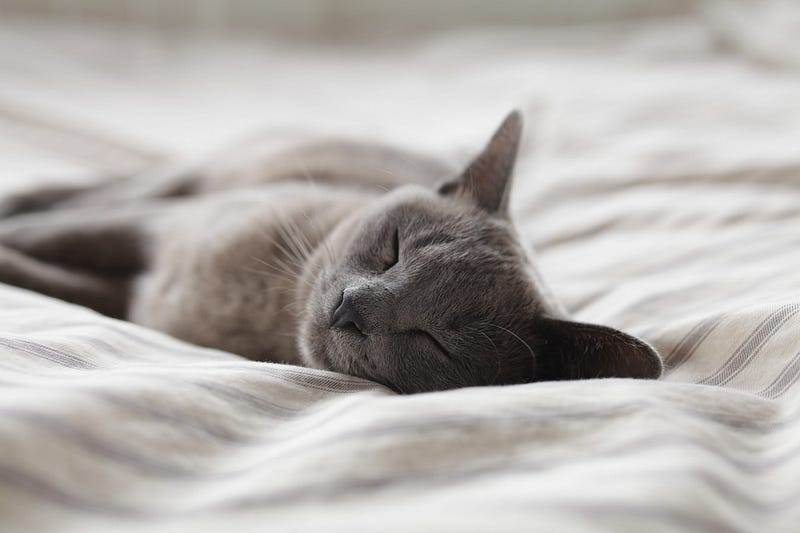
Try being a hyper-active person with a hyperactive cat and get a quality night of sleep. It may seem an impossible task, but when I found out how sleeping and running are tied together, I found creative ways to sleep better.
From physical health to mental health, the benefit of quality sleep is not something we should ignore.
Runners that listen to their bodies are the first to know when something is “off.” Off is that feeling you get when your gait seems choppy, you “feel” heavy, and at the end of the run, you’re wondering what is wrong.
Few runners would turn to sleep as their first suspect. Most runners will turn to shoes or training cycle and then move down the line of reasons why their run “feels” off.
Perhaps, one of the first places all of us crazy runners should turn to is a good talk with our pillows. Your pillow knows whether you’re getting good, quality deep sleep. It can tell whether you’re getting light sleep interrupted by continual periods of being awake when you should be sleeping.
The heavier your training regimen and the older you get, the more sleep you will need. Most twenty-something runners reading this right now are heading out to the nightclub, chuckling about the older folks. Don’t worry though, sleep or lack of sleep will catch up with the speedsters and youngsters too.
One Care Media, which purchased the National Sleep Foundation, has extensive, peer-reviewed research on sleep. A small part of their study is into athletic performance and rest.
“Sleep, Athletic Performance and Recovery” by Logan Foley is one of those articles that goes deep into the details of the link between athletic performance and sleep. Ms. Foley is a Certified Sleep Science Coach who knows what it is like to struggle with sleep. Her research is one of the first articles I have read on sleep quality that didn’t put me to sleep.
How Does Sleep Affect Athletic Performance?

Specifically for runners, a lack of quality sleep leads to quicker exhaustion, risk of injury, and risk of illness or immunosuppression. As we are still dealing with the coronavirus, the last result of lack of quality sleep should be on everybody’s mind.
Quality sleep and its effect on athletic performance don’t stop there. Sleep is essential for maintaining an athlete’s mental health as well. Sleep helps us to retain and consolidate memories.
Memories gain importance as quick reactions are essential in trail running to skip over rocks and roots and make the sharp turns necessary on a winding path.
An article from Podium Runner, “The Power of Sleep (And How to Improve Yours)” by Molly Hanson, has my favorite line about sleep and running performance.
“Imagine that there was a new supplement on the market that could accelerate tissue repair, boost human growth hormone to build bone and muscle, enhance metabolism, sharpen concentration, and tweak your perception to make hard exercise efforts feel easier.”
If there were such a supplement, every runner would rush to purchase this. Sleep is this magic potion, but so many runners still debate this and, even worse, neglect quality sleep.
Suppose Stanford basketball players can substantially improve speed by sleeping ten hours a night for five to seven weeks. How much speed and endurance could help an ultra-runner pick up by doing the same thing?
Don’t skip your early morning run in favor of getting an extra hour of sleep. It does mean you should look at the quality of sleep. Quality of sleep may be more important than quantity of sleep.
Tips on Increasing Sleep Quality
The article “Sleep, Athletic Performance and Recovery” calls this area of sleep and athletic performance sleep hygiene. When one talks about sleep quality or sleep hygiene, this is where you have higher amounts of deep sleep, lower respiration rates, and less rapid eye movement (REM).
Methods to get better sleep quality and raise running performance include some of these areas.
- Eliminate blue light activity at least an hour before going to bed. For me, this meant not reading my Kindle while lying in bed and going back to old-fashioned books. My smartphone sleeps in a different room, and at least an hour before bed, I stop watching TV or browsing the computer.
- Wind down better. Meditation, reading, or a relaxing yoga routine will do wonders in increasing sleep quality.
- Avoid alcohol and caffeine before bedtime as they can disturb sleep. I love dark chocolate and used to love a small glass of red wine with my dark chocolate before heading to bed. Eliminating both has led to increased sleep quality.
- Create a better sleep environment by ensuring your sleep space is dark and cool. One simple method I used was blackout curtains on my bedroom windows. I also covered the sides of my windows. It is amazing how this helps during the summer.
- If you’re having trouble getting to sleep, get out of bed and do a quiet activity instead of tossing and turning. Work on a puzzle under a light that is 2700-kelvin color temperature. The warmer color temperature of lighting is relaxing rather than the typical 3500 to 4000-kelvin color temperatures delivered by most LED lighting these days.
Sleep Better, Run Better
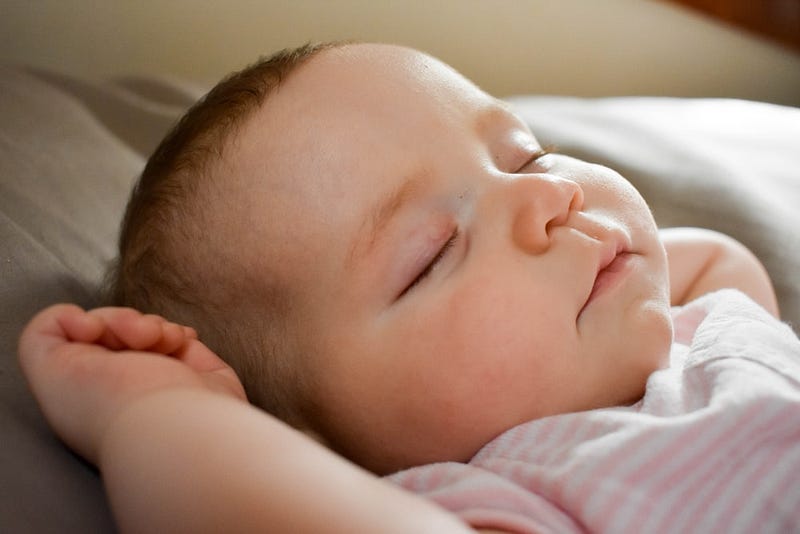
One key to better running performance is how well you are sleeping. At first, I dismissed it and thought it was just weird science. As I began to take it more seriously and examined methods to improve my sleep quality, I found myself with better energy and greater endurance.
It may seem strange, but it works. Besides, who can’t use a better night’s sleep?