
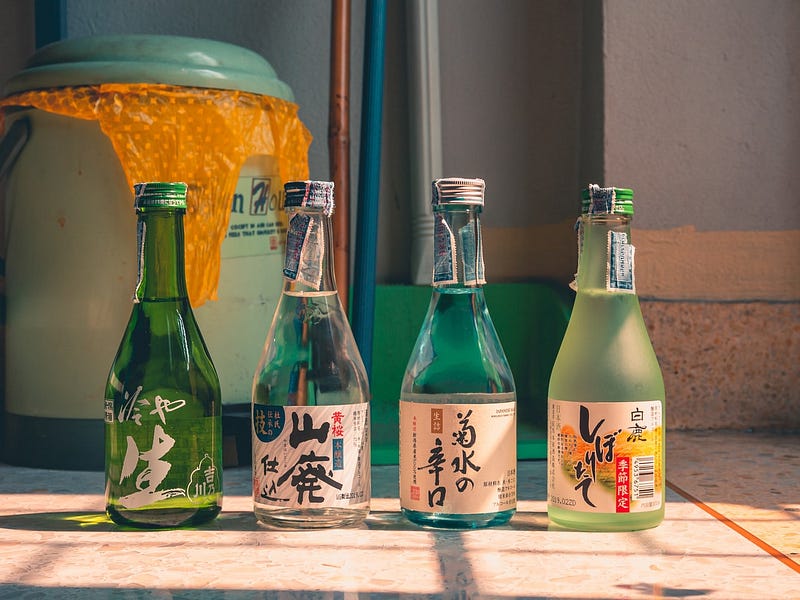
How sake prevents cancer…
And how it doesn’t
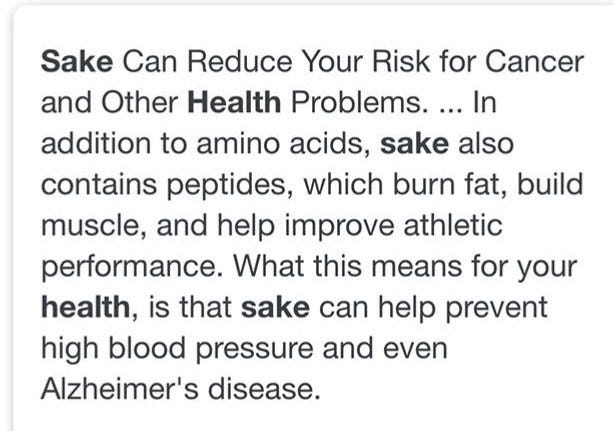
I was scrolling through Instagram when I came across this photo, which I immediately sent to a friend and said “more sake for me then!”. Despite the humour in it, I was skeptical about these health claims so I decided to do some investigating.
Japanese sake, pronounced sakeh, is an alcoholic drink made from fermented rice. Google search results told me the benefits of drinking sake ranged from reducing cancer risks, boosting the immune system to slowing the onset of wrinkles. Despite the countless articles I found harping about sake’s health benefits, I struggled to find any studies these claims were based on.
Surprised? I shouldn’t be, but I still was.
The studies that I did find
After combing through website after website, I settled upon three studies however none focused on sake, the alcoholic drink itself. The first study looked at sake yeast, which is used in the production of sake, and found that it improves sleep quality.
The researchers split a group of 68 people into two groups: one placebo and one intervention group. For four days, the placebo group ingested one placebo (cellulose) tablet whilst the intervention group ingested one sake yeast tablet made from sake yeast powder.
This was a cross-over trial, which meant that the placebo group became the intervention group and vice versa during a “washout” period of 3 days. Doing so ensures that any effect seen is not due to the participants’ own physiology, but due to the variable imposed on them — the sake yeast tablets.
The participants were instructed to measure their brain’s activity during sleep with a portable EEG (electroencephalogram) device at home, which looks like something Professor X from the X-men movies would wear.
EEG data was classified into four sleep stages: (1) awake, (2) REM (rapid eye movement) sleep, (3) stage 1 and 2 light NREM (non-rapid eye movement) sleep, and (4) stage 3 and 4 deep NREM sleep.
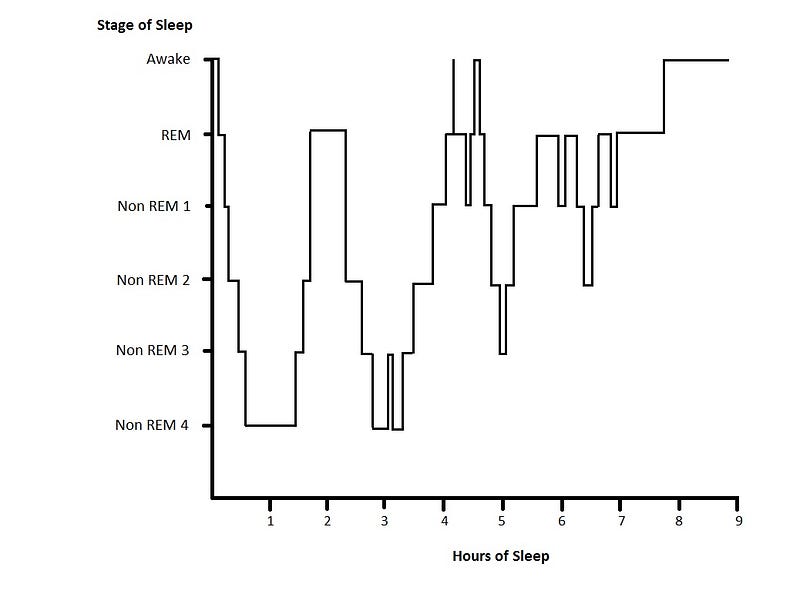

From the EEG data, delta wave activity, a type of brain wave associated with stage 3 deep REM sleep, was calculated. They found that consumption of sake yeast tablets significantly increased delta wave activity by 110%. In other words, the intervention group had greater deep sleep than the placebo group.
However, the researchers also wanted to know if subjectively, the participants felt any different after consuming sake yeast tablets. They measured this using the self-reporting Ogri-Shirakawa-Azumi (OSA) sleep questionnaire. The intervention group reported less sleepiness upon waking up and they also felt more refreshed.
Sake yeast as Treatment for Type 2 Diabetes
The second study also focused on sake yeast and its impact on type 2 diabetes. Specifically, its impact on inflammation, insulin levels and oxidative stress, which can lead to cell and tissue damage.
Type 2 diabetes is characterized by limited insulin production or insulin resistance, where the body doesn’t respond to insulin. Insulin is a hormone that helps regulate blood sugar levels by helping cells absorb glucose to be used as energy and by encouraging storage of glucose as glycogen in the liver.
Studies have proposed that the mechanisms behind defective insulin production and insulin resistance includes oxidative stress, and changes to the levels of signalling proteins called cytokines and chemokines, which can lead to inflammation.
“Diabetes type 2 meet sake yeast, your new opponent!”
The researchers induced diabetes in mice before splitting them into five groups: 0 (control), 15, 30, or 45mg/kg of sake yeast administered orally. They found that sake yeast reduced inflammation-inducing cytokines, reduced Malondialdehyde (MDA) levels, which is an oxidative stress marker, and increased the levels of antioxidants. Remarkably, sake yeast also increased insulin levels and reduced glucose levels.
Sake yeast could be developed as a novel treatment for type 2 diabetes. Diabetes type 2 meet sake yeast, your new opponent!
Sake Lees could prevent Non-alcoholic Fatty Liver Disease (NAFLD)
The last study I gleaned from my google search discovered that a secondary product of sake production decreases lipid accumulation in the liver.
This secondary product is called Sake lees (or sake kasu), which is commonly used for pickling and flavouring in Japan. I’ve seen it so eloquently called “Flower of the Garbage” for its ability to become useful despite the fact that it’s technically a waste.
To investigate the impact of Sake lees (SL) on lipid accumulation, the researchers fed mice a high fat diet (HFD) and either gave or withheld SL extract. They found that mice that were given SL extract had significantly lower levels of lipid accumulation and a reduced expression of genes related to lipid and glucose-metabolism. Additionally, glucose regulation improved and liver inflammation decreased after SL extract was given to the HFD fed mice.
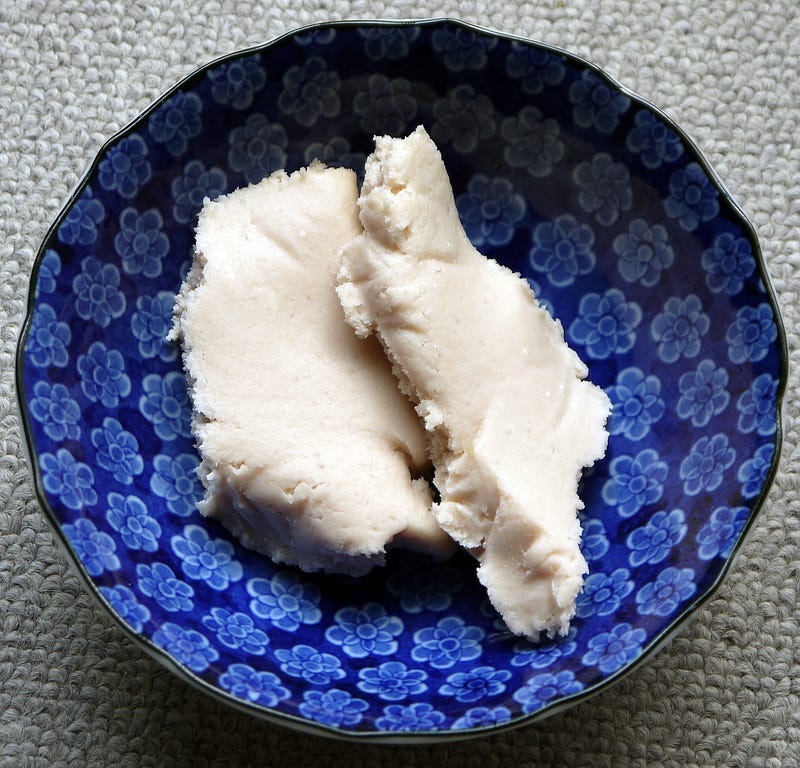

Despite all these studies, none of them specifically used sake, the alcoholic drink itself. To my dismay, I couldn’t find any studies on sake slowing down the onset of wrinkles either! There was an apparent lack of publicly available evidence on such bold health claims.
My idea for this article began as a commentary on the abundance of fake news and misinformation out there. But I didn’t just want to “talk” about misinformation, I also wanted to inform. So, I slipped on my investigative shoes, and tried my best to write the “truth”. That’s why I’m writing on Medium, I want to help inform, to tackle misinformation, and also because science fascinates me.