
How rural women in Asia are standing up against exclusion, social pressure and patriarchy
Nine power stories from Asia’s rural women celebrating their strength, innovation and history
This month the world celebrates the United Nations International Day of the Girl Child (11 Oct), as well as Day of Rural Women (15 Oct) — so we’ve brought together stories of a group that seldom makes global headlines — rural women and girls in Asia. Some stories are already getting attention — such as that of the recurring, brutal cases of gender-violence and caste discrimination in India, or the detrimental impact of rural girls’ lack of access to education. The latter is getting worse as the pandemic pushes families to make cutbacks.
But others remain largely unheard and undercovered. In this issue, we share nine solutions stories that highlight and celebrate the strength, innovation and history of rural women and girls in Asia — people whose stories are too seldom shared.
This issue was written by Daniela Muenzel, a freelance writer and communications specialist.
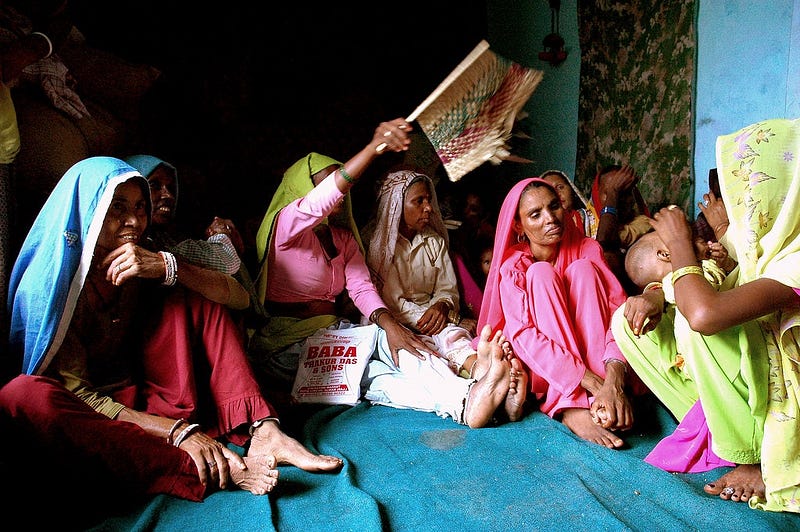
Rural women taking back power
In India, over nine hundred women beekeepers in a network spanning from Maharashtra to Gujarat and Madhya Pradesh are working together to generate income and create sustainability. Monica Pelliccia takes a look at social enterprise Under The Mango Tree, and how beekeeping has empowered rural women and served as a lifeline as the pandemic affected migrant workers (Mongabay).
A role model for the next generation of rural girls: Vietnamese model and literacy campaigner H’Hen Nie mentors girls and has raised tens of thousands of dollars to build libraries in Vietnam’s rural central provinces — after herself defying traditional expectations and barriers faced as a child of a farmers’ family from ethnic minority group form the Highlands (Japan Times).
She’s 19 and the fastest woman rugby player in Asia. A teenager from rural Bihar is putting India on the world stage and inspiring girls from her village to pick up sport. Rinchen Norbu Wangchuk writes about Sweety Kumari and her village where parents often won’t let their daughters wear shorts, or play sports (The Better India).

Solutions stories
A new revolution for financial inclusion of women in Nepal: the digital payment app Khalti, combined with the ‘Smart Chori’ (‘smart daughter’ in Nepalese) campaign, are empowering women and girls to take control of bills management and lead enterprises (Joe Devanesan, Techwire Asia).
Art as a tool to tell the stories of rural Indian women: Ruth Dhanaraj speaks to artist Priyanka Borar who uses graphic narratives to bring to life the struggles faced by rural women, in a series of hauntingly, evocative black and white images (The Hindu).

History and tradition of rural women in Asia
In the 11th century, as women who were forced to bind their feet were treated inferior and denied access to education, women in rural China had the perfect answer: they created their own language which was sung rather than spoken, and writing, which only they could understand. Chitra Rawat writes about Nushu, the dead language that was once only written and sung by women in China’s Jiangyong Prefecture (ED Times).
“Staying put and carrying on” — indigenous Dayak women, disproportionately impacted by social and economic pressures brought on by palm oil development in rural Borneo, Indonesia, have found diverse and creative strategies to sustain their livelihoods and resist assimilation — by relying on traditional skills and maintaining relationships with their lands. (Lauren Bowman, Mongabay)
‘Kingdoms of women’: in places like China, India and Indonesia, we can find female-centric rural communities which for centuries have practiced their own feminist traditions. South China Morning Post takes a look at some of the surviving societies — and how they fight back against the threats of patriarchal ideas flooding in with increased tourism, technology and migration.
And lastly, women (and men) standing up against tradition and religious practices that discriminate and put lives at risk: The Sabrimala Temple, in Pathanamthitta District, Kerala, India saw a landmark decision in 2018 to lift a ban prohibiting women who were menstruating from entering the temple. But to date protestors block women — and the struggle has taken a political turn (Hoon Hee Lee, Kontinentalist).

Asia Undercovered: In-depth round-ups and analysis of the news, events, trends and people changing Asia, but not getting enough attention in the US media. Subscribe for free, bi-monthly updates.